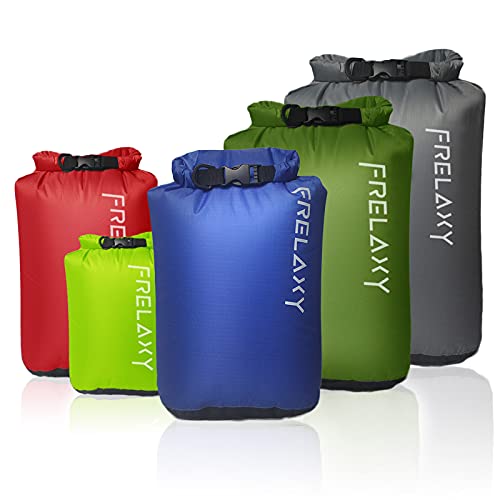
Organize gear for camping with short daylight hours by packing around your routine: keep setup items together, put evening essentials where you can reach them without unpacking everything, and reserve a clearly marked place for wet or dirty gear. Before departure, check the forecast, campsite rules, and equipment instructions; at camp, set up shelter and lighting while you still have usable daylight.
Plan around the daylight you have
Short days make timing and access more important than packing more equipment. Check local sunset time and plan to arrive with enough margin for travel delays, finding your site, pitching shelter, and preparing for cold or changing weather. In winter, daylight length, wind, snow, and road conditions vary by location. Use current local forecasts and official land-manager notices, not a general seasonal assumption.
Write a simple sequence for arrival: locate the site, put on suitable layers, pitch shelter, organize sleeping gear, then prepare food and water. Keep headlamps or other lights accessible before starting. If you expect to arrive after dark, practice your setup at home and confirm campsite access rules; do not rely on finding an unoccupied site or navigating unfamiliar terrain without adequate lighting.
Pack by task and access
Group gear by the job it supports rather than packing all similar objects together. Use separate, easy-to-identify bags or compartments for shelter, sleep, clothing, cooking, food, water, lighting, and first aid. Clear labels or consistent colors help you find items in dim light. Keep small essentials in a pouch so they do not disappear at the bottom of a large pack.
- Arrival and shelter: tent or shelter, stakes, poles, required guylines, ground protection, and the tools or gloves needed for setup.
- Sleep: sleeping bag, sleeping pad, sleep clothes, and any dry items you need to protect from moisture.
- Evening access: headlamp, backup light, spare batteries or charged power source, warm layers, gloves, and a sit pad if used.
- Cooking and water: stove and fuel if permitted, cookware, utensils, food, water containers, and the treatment method appropriate to your source.
- Safety and navigation: first-aid supplies, map or navigation device, emergency communication equipment where appropriate, and a repair kit suited to your gear.
Pack items you need first near the top or in an exterior pocket, provided they remain secure and protected from weather. Store sleep insulation and spare clothing where they are less likely to get wet. Keep food and scented items managed according to local wildlife rules; required storage methods differ by location and may include approved lockers or bear-resistant containers.
For ideas on matching sleep equipment to cold conditions, see this guide to winter backpacking sleeping pads. Treat any gear discussion as a planning aid, not a substitute for checking the temperature range, care instructions, and compatibility details for your own equipment.
Keep setup and evening routines simple
Before leaving home, separate the items needed to pitch shelter from the rest of your load. Check that poles, stakes, connectors, and guylines are present and compatible with your shelter. If snow or frozen ground may affect setup, consult the shelter maker’s instructions and learn what anchoring methods are suitable for that model and site. Do not assume ordinary stakes will work in every surface.
At camp, keep a headlamp on your person or in the same known pocket every time. Test lights before the trip, charge rechargeable units, and pack the battery type or backup specified by the manufacturer. Cold can reduce battery performance, so follow device instructions for storage and use. Keep spare power dry and protected from accidental contact with metal objects.
Set aside a dry sleep kit before handling wet clothing or cooking gear. Use a separate bag for damp items and avoid sealing wet clothing with dry insulation. Keep a small routine card or checklist in an accessible pocket if darkness makes it easy to forget steps such as securing food, closing the shelter, or putting water within reach.
Manage food, water, and cooking safely
Organize meals so ingredients, utensils, and cleanup supplies are together, while food storage follows local wildlife requirements. Check fire restrictions and campsite rules before choosing a cooking method. Use fuel-burning equipment only in locations and conditions permitted by its manufacturer and local authorities. Never operate a stove, lantern, heater, or other fuel-burning equipment inside a tent or enclosed shelter; carbon monoxide can build up and cause fatal poisoning.
Plan water needs and treatment before departure. Freezing conditions can affect containers, hoses, and treatment equipment, so follow each manufacturer’s storage and operating directions. A filter’s performance depends on its design and condition; do not assume it removes viruses unless the supplied product information specifically supports that claim. Check local public-health or land-manager guidance for water sources and treatment requirements.
For cooking logistics, this camp cooking category can help with related planning. Regardless of method, keep fuel containers secured and away from ignition sources as directed by their labels and manuals. Do not leave a flame unattended, and follow local rules for ash, fire disposal, and food scraps.
Check gear before the trip and before dark
A short pre-trip inspection prevents small problems from becoming urgent after sunset. Check shelter fabric, seams, zippers, poles, and fasteners for damage; inspect sleeping equipment for leaks or failing closures; and test lights, navigation devices, and power sources. Make repairs only with methods and materials allowed by the gear maker. Repair products and techniques may not suit every fabric, coating, or model.
Before leaving, confirm that you have enough appropriate clothing for expected conditions, plus a dry layer protected from rain or snow. Check that footwear fits and is suitable for the route and surface. Review the forecast again close to departure and know the trip’s turnaround or cancellation criteria. If conditions exceed your equipment, skill, or route plan, change plans rather than counting on gear to make unsafe conditions safe.
At camp, do a quick check while there is still light: shelter secure, sleeping area dry, lights working, food stored correctly, water available, and essential items easy to reach. Recheck weather alerts and local instructions where service is available. Keep navigation and emergency equipment accessible rather than buried in a packed bag.
Common organizing mistakes
- Packing by category alone: All cooking gear together may still leave the lighter or first-needed item buried. Pack by both task and access time.
- Putting the headlamp away: Keep it reachable before unloading or changing clothes.
- Mixing wet and dry gear: Separate damp items so sleep insulation and spare layers stay protected.
- Relying on phone light: Phones can lose charge or be difficult to use with gloves. Bring a suitable light and backup plan.
- Assuming familiar rules apply: Fire, food storage, water, and overnight access rules vary. Check official local guidance for the specific area.
- Leaving setup until dusk: Arrive early enough to deal with route-finding, weather, and equipment problems before visibility drops.
Frequently asked questions
What should I unpack first at camp?
Put on needed layers and make a light accessible first. Then set up shelter and protect sleep gear from moisture. After that, organize food, water, and cooking supplies according to site rules and your plan.
How do I keep gear easy to find in the dark?
Use labeled task bags, consistent storage locations, and a headlamp. Keep frequently needed items in known pockets, and return each item to its place after use. Avoid relying on memory to find small items in an unlit pack.
Should I pack extra gear for short winter days?
Pack for forecast conditions, trip length, route, and the consequences of delay. Prioritize suitable clothing, lighting, navigation, emergency supplies, and a way to protect critical items from water. Check equipment manuals and local guidance; no single list fits every trip.
Can I use a camping stove inside my tent to save time?
No. Never operate fuel-burning equipment inside a tent or enclosed shelter. Cook only in a permitted, appropriately ventilated outdoor location and follow the stove maker’s instructions and local fire rules.
What should I check if weather worsens?
Check current official alerts, campsite or land-manager instructions, and your route options. Secure gear only as the equipment maker directs, protect dry insulation, and reassess whether staying is appropriate. Leave or seek help when conditions exceed your plan or ability.