

Rechargeable Headlamps We Recommend for Camp Use in 2026
Separate flood and spot beams help campers switch between close work and looking down a trail. Compare beam controls, charging, weather protection, and tradeoffs before choosing.
We independently review everything we recommend. When you buy through our links, we may earn a commission. As an Amazon Associate we earn from qualifying purchases.
Compare portable power stations, solar generators, lanterns and headlamps. Plan practical charging and lighting setups for camping trips and emergency needs.
Separate flood and spot beams help campers switch between close work and looking down a trail. Compare beam controls, charging, weather protection, and tradeoffs before choosing.

A compact solar setup can help keep phones and small electronics charged at camp, but panel wattage and power-station compatibility matter. These options serve different needs, and neither is a straightforward 100W panel choice.

Amber light can make evening camp tasks less glaring, but the published product details identify only one lantern with a warm-light mode. Compare its tradeoffs with brighter lanterns that list other lighting features.
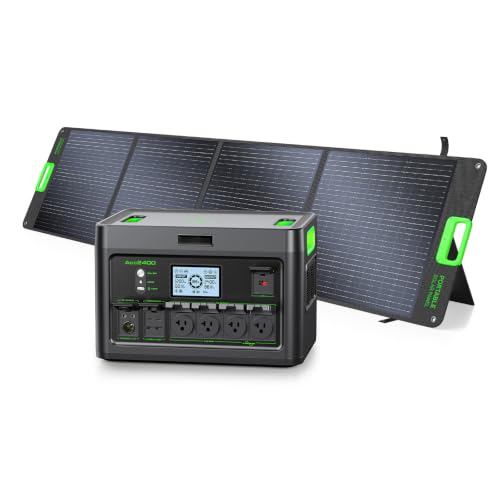
Fridge runtime and camera charging depend on usable battery energy, inverter draw, and recharge options. Compare these LiFePO4 power stations by trip needs, not output claims alone.
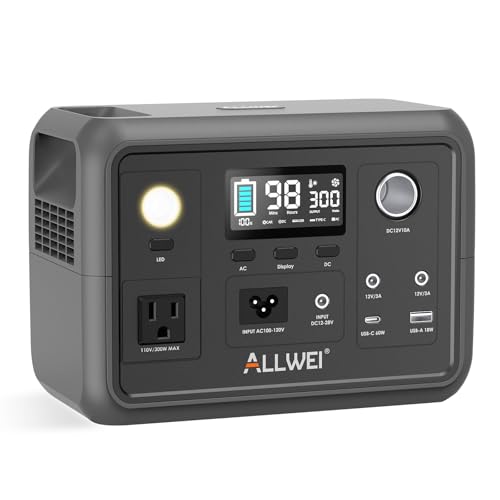
Weekend campers need enough stored energy for phones, cameras, and other small electronics without hauling oversized equipment. Compare capacity, ports, recharge options, and important tradeoffs before choosing a station.

A solar power bank can add a little charging flexibility to a camping kit, but its built-in panel is usually best treated as backup. Compare capacity, charging options, and weather protection before choosing one for your trip.

A family emergency lighting kit needs more than one bright lantern. Compare rechargeable, battery-powered, and multi-pack options by runtime, backup power, and household use.

Battery lanterns suit campsites where dependable light matters more than charging access. Compare replaceable-cell options by brightness, battery type, hanging features, and weather limits.

Picnic-table lighting should illuminate meals without crowding the surface or relying on an open flame. These options include lanterns, a rechargeable work light, and tables with lighting accessories, so match the gear to your campsite setup.

Camp cooking needs close, useful light, not inflated brightness claims. Compare beam shape, controls, water resistance, and backup needs before choosing a headlamp.