

Dry Bags We Recommend for Camp and Water Trips
Dry bags help separate wet gear and shield essentials from rain, spray, and damp campsite conditions. Compare capacity, closure, carry design, and the limits of each option before choosing.
We independently review everything we recommend. When you buy through our links, we may earn a commission. As an Amazon Associate we earn from qualifying purchases.
Explore camping storage, organizers, fans and comfort accessories. Compare ways to pack equipment and keep your campsite tidy, accessible and comfortable.
Dry bags help separate wet gear and shield essentials from rain, spray, and damp campsite conditions. Compare capacity, closure, carry design, and the limits of each option before choosing.

Family road trips need restroom plans that work at crowded stops and remote campsites. Compare privacy, setup, waste handling, and storage before choosing a portable toilet kit.

A dry bag can keep a damp tent separate from sleeping bags and clean clothes during the drive home. Compare closure design, capacity, materials, and practical limits before choosing one.

A hanging fan can move air above sleeping bags without taking up floor space. Choose by tent layout, safe suspension, battery needs, and the airflow your family actually needs.

Portable toilet kits can simplify bathroom planning at established campsites, roadside stops, and emergency-ready vehicle kits. Compare privacy, waste supplies, storage, and the limits of each package before choosing.

Frontcountry camping usually places you near roads and developed facilities; backcountry camping requires traveling away from those services. Learn how access, storage, comfort, planning, and safety needs differ before choosing a site.
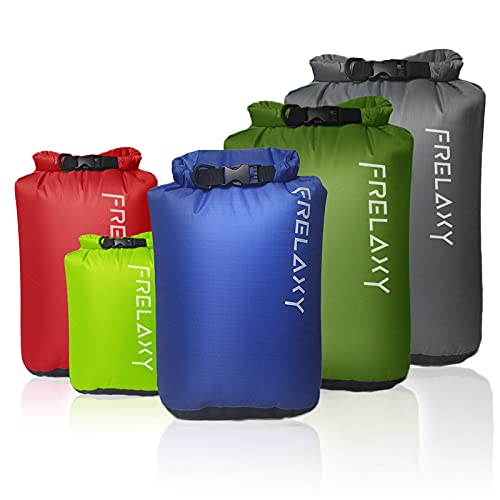
Keep wet camping gear in a contained, washable area so water and mud stay away from dry luggage. Sort items by dampness, protect the vehicle, and air everything out promptly.
Choose a level, durable site where shade suits your schedule and rainwater can flow away from your tent. Check the ground, nearby terrain, weather, and campsite rules before setting up.
Dispersed camping means camping outside developed campgrounds, often on public land where facilities may be limited or absent. Learn how to check local rules, choose a low-impact site, and plan for water, waste, weather, and overnight comfort.
Build a camping gear spreadsheet that shows what you own, where it is stored, and what needs attention. Use simple columns, dropdowns, and checks to make packing and upkeep easier.