For car campers and backpackers, a repair kit works when it addresses likely failures without adding tools you cannot use. How to pack a camping repair kit for common gear problems starts with your gear list, trip conditions, and realistic repair skills.
Build around the equipment you rely on, then check materials and instructions before departure. For organizing small items at camp, see our guide to tent gear loft organizers.
Pros
- Sealant and patches in one kit
- Four 2.5-inch patches included
- Two patch colors
- Listed for several outdoor fabrics
- Reusable metal storage tin
Cons
- Only 0.25 oz of sealant
- Four patches may not cover larger tears
- No cure time listed
Specifications
| Color | Clear |
|---|---|
| Size | Deluxe Kit - 1 Pack |
| Dimensions | 5 x 1.25 x 7 inches |
| Product Group | Outdoors |
| Binding | Misc. |
Verify the current product variation before purchase; specifications may change.
Detailed Review
What stands out in the currently available product data:
- Seal pinholes and seams on tents, tarps, and other listed outdoor fabrics.
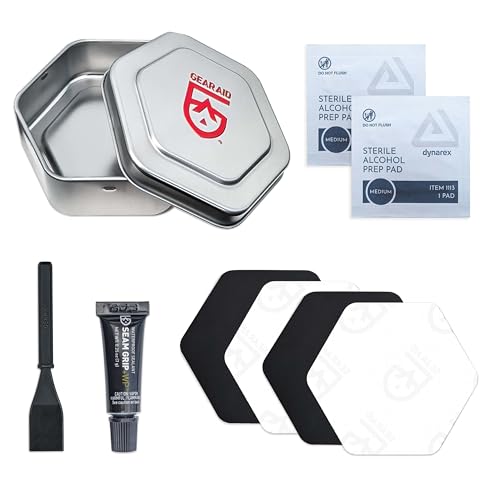
- Use four 2.5-inch patches for holes or tears, with two black and two clear.
- Flexible, waterproof sealant is described as abrasion-resistant and made to resist peeling or cracking.
- Works with nylon, polyester, canvas, and ripstop, according to product details.
- Reusable metal tin keeps repair supplies together in a pack or gear bag.
- Compact format suits backpacking, car camping, and extended trips.
Best For / Avoid If
Best for buyers prioritizing
- Sealant and patches in one kit
- Four 2.5-inch patches included
- Two patch colors
Consider another option if
- Only 0.25 oz of sealant
- Four patches may not cover larger tears
- No cure time listed
Start with likely failures and trip consequences
List equipment that could disrupt shelter, warmth, water access, or safe travel if it fails. Prioritize problems you can address in the field, such as a small fabric puncture, loose buckle, or broken zipper pull.
Match kit contents to trip type. A family car-camping kit can carry heavier backup parts, while backpackers should favor compact, multipurpose supplies and carry only repairs suited to their equipment.
Choose repair materials for the gear fabric
Repair materials are not universally compatible. Check whether a patch or adhesive works with the item’s fabric or coating, and read product directions for surface preparation, application, and curing before packing it.
The GEAR AID Seam Grip WP Camp & Trail Repair Kit includes 0.25 ounces of sealant and four 2.5-inch Tenacious Tape Hex Patches, two black and two clear. Product information lists nylon, polyester, canvas, and ripstop among compatible materials; confirm suitability for your specific item.
Its stated uses include tent and tarp seams, pinholes, tears, sleeping pads, and outdoor apparel. That makes it a focused fabric-repair option, not a complete kit for poles, buckles, cookware, or every sleeping-pad construction.
Pack fixes for hardware and structural failures
Fabric patches cannot replace a tent pole segment, restore a cracked buckle, or mend a failed stove valve. Add compatible spare parts for critical gear when the manufacturer offers them, plus cord and a small repair tool if you know how to use them.
For backpacking, weigh each item against the failure it addresses and whether another carried item can serve the same purpose. For car camping, a broader toolbox can stay in the vehicle, but do not assume it will be reachable during a hike.
Separate emergency fixes from durable repairs
A field repair may keep a small problem manageable until proper service is possible. It does not prove that damaged equipment is safe or ready for repeated use, especially when failure could expose occupants to weather.
Identify repairs you can make safely at camp and problems that require replacement or professional attention. A cracked pole, compromised load-bearing strap, or damaged fuel system deserves more caution than a noncritical fabric snag.
Keep supplies organized and protected
Group supplies by task: fabric repair, hardware, cutting, and small replacement parts. Label unfamiliar items, keep sharp tools covered, and store adhesives according to their packaging so leaks or temperature exposure do not compromise other gear.
The GEAR AID kit is described as packed in a reusable metal tin. A compact container can help keep small parts together, but inspect its closure and contents before trips, especially after rough handling.
Practice the repair before relying on it
Read instructions at home and learn what preparation a repair requires. Adhesives and sealants may need clean, dry surfaces and time to cure; do not assume a wet-weather patch can be applied successfully under any conditions.
Check the repaired item before departure and again during routine gear maintenance. For broader camp-comfort planning, our Storage and Comfort category covers related equipment choices.
Why You Should Trust Us
We base this guidance on the supplied product details and practical repair-planning principles, not claimed field testing. The product description identifies kit contents, intended applications, listed fabric compatibility, and the metal tin.
Those details do not establish repair success on every fabric, coating, or damaged item. We distinguish listed features from our fit assessment and recommend checking current manufacturer instructions for the exact gear being repaired.
Final Thoughts
The GEAR AID Seam Grip WP Camp & Trail Repair Kit is a focused choice for campers who want sealant and patches for compatible fabric repairs. Its contents may suit tent, tarp, apparel, or sleeping-pad issues, but it does not cover common hardware failures.
It is the only supplied product, so there is no evidence-based comparison for separate overall, value, or specialized picks. Choose it if its stated materials and repair uses match your gear; skip it as a standalone solution if your main concern is poles, buckles, zippers, or stove components.
Keep essential replacement parts and repair supplies matched to your equipment, and treat field fixes as conditional rather than guaranteed. A repair kit supports preparation; it cannot make compromised gear safe by itself.
FAQs
What should go in a camping repair kit?
Pack repair materials compatible with your gear, plus appropriate cord, a small tool, and critical manufacturer-specific spare parts. Choose contents based on trip duration, group size, and which failures you can address safely.
Can one repair kit fix every tent tear?
No. Fabric type, coating, tear location, and damage size affect repair options. Check manufacturer guidance and repair-product instructions before applying adhesive or patches.
Does Seam Grip WP work on sleeping pads?
The supplied product description lists sleeping pads among intended uses and names several compatible fabrics. Confirm the pad’s specific surface material and follow its manufacturer’s repair guidance.
Should backpackers carry a full repair kit?
Not necessarily. Backpackers can prioritize compact supplies for likely, repairable problems and carry compatible critical spares. Keep kit weight and the consequences of each possible failure in view.
Can I apply tent sealant in the rain?
Do not assume so. Follow the product directions for surface condition and curing, and use a temporary protective measure if conditions prevent proper application.
How do I know whether a field repair is safe?
Assess the damaged part’s role and the repair instructions. If failure could expose people to weather or compromise structural or fuel-system function, stop using the gear until it receives an appropriate repair or replacement.
How often should I check camping repair supplies?
Inspect them before trips and during routine gear maintenance. Check packaging, instructions, tool condition, and whether replacement parts still fit the equipment you carry.
How do I pack a camping repair kit for common gear problems?
Start with likely failures, verify material compatibility, separate temporary fixes from durable repairs, and organize supplies for quick access. Keep instructions available and review tent organization options if small items routinely get misplaced.