A tent usually smells after storage because moisture, dirt, body oils, food residue, or mildew remained on its fabric when it was packed away. Even a tent that felt dry on the outside can trap moisture in seams, folds, or a stuff sack. Unpack it, identify the odor, clean it according to its care instructions, and dry it fully before storing it again.
Common causes of tent odor
Trapped moisture and mildew: Packing a tent damp is a common cause of musty or earthy odor. Condensation, rain, wet ground, or humid air can leave moisture in fabric and folded layers. Mildew may develop during storage, especially in a warm, poorly ventilated space. Dark spots, fuzzy growth, or persistent mustiness can indicate mold or mildew, though odor alone cannot identify the organism.
Dirt, sweat, and body oils: Skin oils, sunscreen, insect repellent, and grime can collect on floors, sleeping areas, and high-touch surfaces. These residues can smell stronger over time and may attract insects or wildlife. Food crumbs, spills, and cooking odors can also linger in tent fabric or storage bags.
Storage materials or surroundings: A stuff sack, plastic bin, basement, garage, or nearby stored gear can contribute odors. Chemical, fuel, or solvent smells may come from items stored beside the tent rather than from the tent itself. Identify and remove the source before using the shelter.
Inspect the tent before cleaning
Set the tent up outdoors or in a well-ventilated area. Open doors and vents, then inspect the canopy, floor, seams, mesh, poles, and stuff sack. Check folded creases and corners closely; these areas can hold moisture or residue. Note whether odor is strongest in one spot, whether fabric feels damp or sticky, and whether you see stains, spots, peeling coatings, or damaged seams.
Read the tent maker’s care label or manual before applying cleaner, soaking fabric, using a washing machine, or treating stains. Tent fabrics and coatings differ. A method suitable for one material may damage another, and household detergents, bleach, solvents, and strong fragrances can leave residue or affect water repellency. If the manual is unavailable, check the maker’s official care guidance for your model.
How to remove odor safely
- Air it out: Open the tent fully and let it air in shade with good airflow. Keep it away from fires, heaters, and prolonged direct sun, which can damage some fabrics or coatings.
- Remove loose debris: Shake out the tent and brush away dry dirt, leaves, and crumbs with a soft brush. Empty and inspect the stuff sack separately.
- Spot-clean first: Use a clean cloth and the cleaning method recommended by the manufacturer. Test any approved cleaner on a small, inconspicuous area and check for color change or coating damage.
- Wash only when appropriate: Follow the tent maker’s directions for hand washing or machine washing. Do not assume a household washer, detergent, or soaking method is safe for every tent.
- Rinse as directed: Cleaner residue can affect fabric performance or attract more dirt. Follow product and tent instructions for rinsing; do not add unapproved treatments.
- Dry completely: Hang or pitch the tent with doors and vents open until fabric, seams, corners, and storage bag are dry. Check hidden folds by touch. If weather is damp, continue drying indoors in a ventilated space.
For visible mold or mildew, avoid dry-scrubbing growth, which can spread particles into the air. Wear gloves, avoid breathing dust, and work outdoors or with strong ventilation. Follow the manufacturer’s cleaning guidance; do not mix cleaning chemicals. People with asthma, allergies, or weakened immune systems may want to avoid handling moldy gear and seek appropriate health guidance. Extensive growth, persistent odor, or damaged waterproof coatings may require professional advice or replacement rather than aggressive cleaning.
Optional supporting equipment: a cleaner formulated for technical fabrics may help with dirt and oils when its label and your tent’s care instructions allow it. Browse more tent and shelter guidance for related care and use topics.
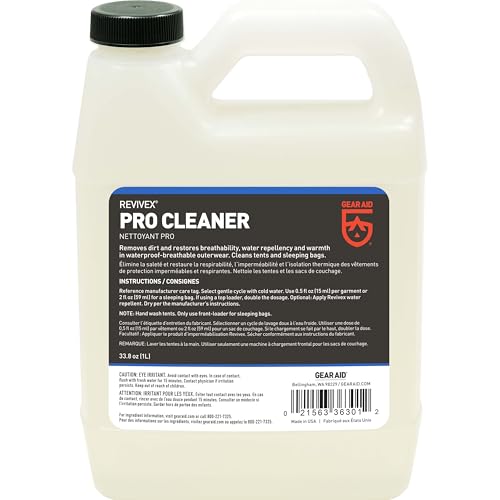
Pros
- Concentrated 1-liter size
- Fragrance-free, residue-free formula
- Multiple cleaning methods
- Works across garments and camping gear
- Suitable as prep for water-repellent treatment
Cons
- Does not replace water-repellent treatment
- Bottle weighs 2.35 pounds
- Follow care labels before machine washing
Specifications
| Color | Clear |
|---|---|
| Size | 33.8 Fl Oz (Pack of 1) |
| Dimensions | 8.2 x 2.4 x 7.4 inches |
| Weight | 2.35 pounds |
| Product Group | Outdoors |
| Binding | Health and Beauty |
Verify the current product variation before purchase; specifications may change.
Detailed Review
What stands out in the currently available product data:
- 1-liter bottle claimed to provide up to 66 washes
- Cleans dirt and oils that can affect breathability
- Fragrance-free formula contains no softeners or optical brighteners
- Use for spot cleaning, hand washing, or machine washing
- Suitable for technical garments, tents, gloves, and sleeping bags
- Can prepare gear for a separate water-repellent treatment
Best For / Avoid If
Best for buyers prioritizing
- Concentrated 1-liter size
- Fragrance-free, residue-free formula
- Multiple cleaning methods
Consider another option if
- Does not replace water-repellent treatment
- Bottle weighs 2.35 pounds
- Follow care labels before machine washing
Check for damage after cleaning
Once the tent is dry, inspect seams, zippers, mesh, floor, and rainfly. Look for peeling or flaking coatings, tacky surfaces, brittle fabric, holes, and loose seam tape. A strong odor can sometimes accompany coating breakdown, but smell alone does not prove that a coating has failed. Do not apply a repair product or water-repellent treatment until you confirm it is compatible with your tent’s fabric and coating. Use the tent maker’s repair instructions or ask the maker about model-specific damage.
If the smell returns quickly after cleaning and complete drying, recheck the sack, storage container, and room. Persistent mustiness may indicate hidden moisture or contamination. Chemical or fuel-like odor warrants extra caution: keep the tent away from flames and heat, ventilate it outdoors, and identify the source before use. Never operate fuel-burning equipment inside a tent or enclosed shelter. For weather-related setup and shelter questions, see this guide to camping tents in windy beach conditions.
Prevent odors during storage
- After each trip, shake out debris and clean spills promptly using approved methods.
- Dry the tent completely before packing. If you must pack it wet during travel, unpack and dry it as soon as conditions allow.
- Store the tent in a clean, dry, ventilated place, following the manufacturer’s storage advice. Avoid leaving it compressed in a damp stuff sack for long periods if the maker recommends loose storage.
- Keep food, fuel, solvents, and strongly scented products away from the tent and its storage container.
- Check stored gear periodically, especially after humid seasons or exposure to leaks.
Common mistakes to avoid
Do not mask odor with perfume, air freshener, or scented sprays; they can leave residue and hide the source. Do not use bleach, harsh chemicals, or hot water unless the tent maker specifically approves them. Do not put a tent in a dryer or expose it to strong heat unless its instructions permit that method. Avoid packing it as soon as the surface feels dry: seams, folds, and the stuff sack may still hold moisture. Finally, do not assume every dark mark is mildew or every persistent smell means the tent is unsafe; inspect carefully and get model-specific advice when damage or contamination is unclear.
Frequently asked questions
Can I use vinegar or baking soda to remove tent odor?
Not without checking the tent maker’s guidance. Home remedies may affect coatings, leave residue, or fail to remove the actual source. Start with airing, dry debris removal, and a manufacturer-approved cleaning method.
Is a musty-smelling tent safe to use?
Odor alone cannot determine safety or identify mold. Inspect for visible growth, dampness, and material damage. Clean and dry the tent according to its instructions; avoid handling extensive mold growth, particularly if you have respiratory or immune concerns.
Will sunlight remove the smell?
Airflow can help disperse odor and dry fabric, but sunlight may damage some materials with prolonged exposure. Use shade and ventilation unless the tent maker gives different care instructions.
Why does my tent smell again after cleaning?
Moisture or residue may remain in seams, folds, the stuff sack, or the storage area. A persistent chemical odor or returning mustiness can also point to material breakdown or hidden contamination. Inspect those areas, dry everything fully, and ask the manufacturer for guidance if the cause remains unclear.