Keep a wet tent from soaking your backpack by separating it from your other gear. Shake off excess water, then put the tent in a dedicated waterproof bag or inside a waterproof pack liner. Keep the tent’s poles and stakes separate if they are muddy or wet, and dry everything fully when you reach a suitable place. No bag can make a soaked tent dry; the goal is to contain moisture until you can air it out.
Choose a way to contain the tent
There are two common approaches. A separate roll-top dry bag holds the tent away from clothing and sleeping gear. A pack liner lines the inside of your backpack, creating a waterproof barrier around its contents. You can use both for extra separation, but do not assume that either approach makes the entire backpack waterproof. Seams, closures, wear, and improper packing can let water through.
Choose a bag large enough for the tent without forcing it through a narrow opening. A tight roll can strain fabric, coatings, and seams, and may make the closure difficult to secure. Check the tent manufacturer’s instructions for packing guidance, especially if the tent has delicate fabric or a particular folding method. Avoid compressing wet fabric more than necessary, and do not store it wet for longer than the trip requires.
A heavy-duty plastic bag can serve as a temporary barrier if you have no purpose-made liner or dry bag. Check for punctures and close it securely, but treat this as a short-term measure: plastic can tear, trap moisture, or open during packing. Keep sharp stakes and pole ends away from the barrier.
Pack the tent step by step
1. Pick a clean place to work
Use a groundsheet, tent footprint, or another clean surface if available. This keeps the tent from picking up grit, mud, or plant debris while you pack. If the campsite is muddy, work on the cleanest available spot and keep the sleeping area and backpack interior clear. Follow local rules about where to set down gear, particularly in fragile or protected areas.
2. Remove loose water and dirt
Shake the tent body and rainfly gently to shed droplets. Wipe off mud with a soft, clean cloth if practical. Do not scrub grit into the fabric; it can cause abrasion. Avoid using soap, solvents, or other cleaners on the trail unless the tent maker’s care instructions allow them. If the tent is only damp from condensation or rain, draining and shaking it is usually more practical than trying to clean it at camp.
3. Separate components when useful
Take out sleeping gear and other dry items before handling the tent. Separate the rainfly, tent body, footprint, poles, and stakes if doing so helps control mud or water. Place wet fabric together in its containment bag. Keep poles and stakes in their own sleeve or a protected part of the pack so sharp ends do not puncture the liner or tent fabric. Check that no stake remains attached to a guyline or tucked into a fold.
4. Bag the tent and secure the closure
Fold or stuff the tent according to its manual, then put it directly into the dedicated bag or lined pack. With a roll-top dry bag, leave enough room at the top to roll the closure several times as directed by its maker. Keep the rolled section clear of trapped fabric and check that the closure lies flat. A closed bag is only as reliable as its closure and condition. Avoid full submersion unless the bag maker explicitly says the bag is designed for it.
5. Position it to limit leaks and keep the load stable
Place the contained tent where it will not press against sharp gear or interfere with the backpack’s balance. Keep critical dry items, such as a sleep system and spare clothing, protected in their own liner or bags rather than relying on the tent bag as the only barrier. If packing the tent outside the main compartment, secure it so it cannot snag, drag, or shift while walking. Keep closures accessible for a quick check during breaks.
Check the pack before setting out
- Feel the inside of the backpack and check dry gear for damp spots.
- Inspect the tent bag or liner for holes, damaged seams, and a properly closed opening.
- Confirm wet stakes or pole ends cannot puncture the barrier.
- Check that the pack remains balanced and that loose fabric cannot catch on brush.
- At breaks, look for a shifted closure, leaks, or condensation inside separate gear bags.
These checks reduce the chance of a leak reaching important gear, but they do not guarantee a dry pack. A liner can be punctured, a roll-top can be closed incorrectly, and water can enter through other parts of a backpack. In prolonged rain, protect essential dry items individually and inspect them when conditions allow.
Common mistakes and limits
Do not put a wet tent loose in the main compartment beside a sleeping bag or spare clothes. Do not assume a coated stuff sack is waterproof; coatings and seams differ, and a closure may not seal against water. Do not pack a bag so tightly that its closure cannot be rolled or folded as designed. Do not place uncovered stakes or sharp pole ends against a liner. And do not leave a wet tent compressed in storage after the trip. Trapped moisture can encourage mildew and damage materials over time.
Optional supporting equipment: a separate roll-top dry bag can help keep wet tent fabric apart from dry gear. The Backpacks and Hiking Gear category has related packing topics. The guide to tents for windy beach conditions covers a different shelter-planning concern.
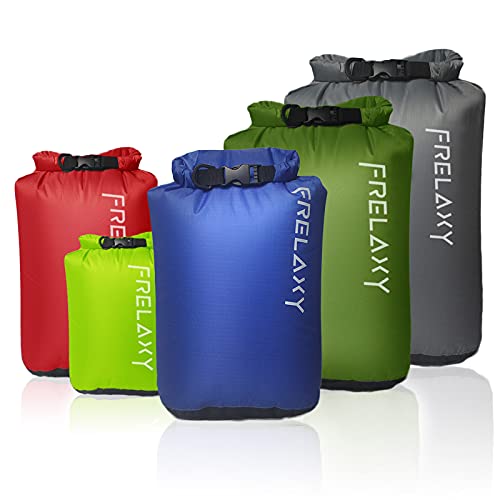
Frelaxy Dry Bag 5 Pack, Ultralight Waterproof Dry is one optional example. Supplied details list five bags in 3L, 5L, 10L, 15L, and 20L sizes, with taped seams and a roll-top closure. The supplied description says to avoid full submersion. Check the maker’s instructions and inspect any bag before relying on it to contain a wet tent.
Pros
- Five useful capacities from 3L to 20L
- Lightweight 210T tear-resistant polyester
- Taped seams and roll-top closures
- Color-coded organization
- Rectangular space-efficient bases
Cons
- Not designed for full submersion
- Thin fabric needs careful handling around abrasion
- Five-pack may exceed needs of solo users
Specifications
| Color | 5 Pack - Assorted Colors |
|---|---|
| Size | 3L, 5L, 10L, 15L, 20L |
| Dimensions | 9.4 x 6.3 x 22 inches |
| Weight | 0.6 Pounds |
| Product Group | Sports |
| Binding | Luggage |
Verify the current product variation before purchase; specifications may change.
Detailed Review
What stands out in the currently available product data:
- Five sizes simplify sorting clothing, food, and small camp gear
- Roll-top closures create a secure seal against rain and splashes
- Taped seams help limit water entry during outdoor use
- Ultralight construction adds minimal weight to packs and luggage
- Rectangular bases make packing more space-efficient
- Color-coded bags help identify contents quickly
Dry the tent after the hike
As soon as weather and site rules permit, unpack the tent and spread it out to air-dry. Dry the rainfly, body, footprint, and stuff sack; open folds and pockets where water may collect. Avoid leaving fabric on abrasive or dirty ground. If you cannot dry it before leaving camp, keep it contained during travel and dry it promptly at home or another suitable location. Follow the tent maker’s instructions for washing, drying, and storage. Do not use high heat unless the manual specifically allows it.
For more shelter-care context, see the site’s Tents and Shelters category. Packing a damp tent is a temporary moisture-control step, not a substitute for proper drying or maintenance.
FAQs
Should I pack the rainfly separately from the tent body?
Separate them if one part is much wetter or muddier, or if the tent manual recommends separate packing. Use separate containment bags or compartments to keep water and dirt from spreading. Avoid adding unnecessary bags if they make the pack unstable or leave sharp gear unprotected.
Can I put the wet tent in my backpack’s outer pocket?
Only if the pocket can hold it securely without exposing other gear to runoff, snagging, or shifting the load. Many outer pockets are not waterproof. A separate closed bag is a more controlled option, but inspect its closure and keep it clear of puncture risks.
Is a pack liner enough to protect my gear?
A properly used, intact liner can create a barrier around gear inside the pack, but it can tear or be closed incorrectly. It may also be awkward if wet tent fabric touches the liner’s opening during packing. Keep essential dry items in their own protective bags when practical, and inspect the liner for damage.
How long can I leave a wet tent packed?
Keep that period as short as practical. Unpack and dry the tent promptly after the trip, following its care instructions. Extended damp storage can lead to mildew, odor, and material damage. If the tent has unusual coatings or care requirements, use the manufacturer’s manual rather than general cleaning advice.