A sleeping bag can feel colder than its rating because that number is not a promise that every sleeper will feel comfortable at that temperature. Your sleeping pad, clothing, bag fit, moisture, wind exposure, and individual comfort all affect how warm you stay. The bag is one part of a sleep system, and a weak point in any part can leave you cold.
What a sleeping bag temperature rating means
First, check which rating appears on the bag or its product information. When a bag uses standardized temperature testing, it may report a comfort rating and a lower limit rating. Comfort describes a temperature intended to represent a more comfortable sleep for a typical cold sleeper under test conditions. Lower limit describes a colder threshold for a typical warm sleeper curled up to conserve heat. These are different reference points, not guarantees for every person or campsite.
Some bags use other rating systems, and some list a single temperature without clearly explaining what it represents. Do not assume that a number labeled “rated to” means you will sleep comfortably at that temperature. Check the manufacturer’s explanation and the applicable standard, if one is stated. Treat the rating as a comparison point, then plan a margin for changing conditions and your own comfort.
Common reasons you feel cold
Your sleeping pad lets heat escape downward
A sleeping bag’s insulation compresses beneath your body, where it provides less insulation. The pad must reduce heat loss to the ground. A thin, uninsulated, underinflated, or damaged pad can make a suitable bag feel inadequate, especially on cold ground. An air mattress is not automatically an insulating pad; check its stated R-value and what conditions your trip may require.
For cold-weather trips, compare pad insulation as well as bag temperature ratings. The cold-weather sleeping pad overview can help explain what to consider. If you are unsure whether your pad is warm enough, check its manufacturer’s guidance and consider an additional compatible insulating layer.
The bag does not fit or close properly
A bag that is too short can compress insulation around your feet or shoulders. A bag that is too roomy leaves more air for your body to warm, while an extremely tight fit can compress insulation. A zipper that is partly open, caught, or leaking air can create a cold spot. Check the length and shape against the manufacturer’s sizing guidance. Close the zipper fully and use the hood and draft collar as designed.
You are cold, tired, hungry, or underdressed
People vary in how warm they sleep. Cold sensitivity, fatigue, low food intake, dehydration, illness, and restricted circulation can affect comfort. Damp clothing or bare skin against a cold, damp bag can also make the night feel colder. Wear dry, breathable layers that do not compress the bag’s insulation. A loose hat can help if your head feels cold, but keep your face outside the bag and avoid breathing into it, which adds moisture.
Moisture and wind reduce warmth
Water can reduce the insulating performance of many materials, and condensation can dampen a bag over time. Wet clothes, a leaking shelter, or a bag stored damp can contribute. Wind may also move air through openings in a shelter or around an exposed sleep setup. Choose a suitable sheltered campsite, keep sleep layers dry, and ventilate your shelter as its manufacturer directs to manage condensation. Follow local weather guidance and do not treat any bag rating as protection from severe conditions.
Practical checks for a colder-than-expected night
- Check the temperature rating. Find out whether the listed figure is a comfort rating, lower limit, or a different measure. Compare forecast low temperatures, allowing for uncertainty and colder conditions at your specific campsite.
- Inspect the pad. Check its stated R-value, inflation, valve closure, and signs of air loss. Make sure it stays under your body through the night.
- Check bag condition and fit. Look for damp insulation, damage, open zippers, drafts, or compressed areas. Confirm the bag suits your height and sleeping position.
- Change into dry layers. Remove damp clothing and wear comfortable layers that leave room for loft. Put small essentials where they will stay dry, not inside the bag if they could leak or add moisture.
- Reduce drafts and ground exposure. Use your shelter as intended, place the sleep system on a suitable surface, and block drafts without covering shelter vents or creating other hazards.
- Reassess safely. If you remain cold, add appropriate dry insulation or move to a warmer safe location. Do not rely on a sleeping bag to make dangerous weather safe.
Common mistakes to avoid
- Comparing ratings as if they were comfort guarantees. Rating methods and labels differ. Read the manufacturer’s explanation.
- Upgrading the bag but ignoring the pad. Heat loss to the ground can remain the main problem.
- Wearing too many tight layers. Compression can reduce insulation loft and restrict comfortable movement.
- Putting wet gear inside the bag. It can transfer moisture to insulation and sleepwear.
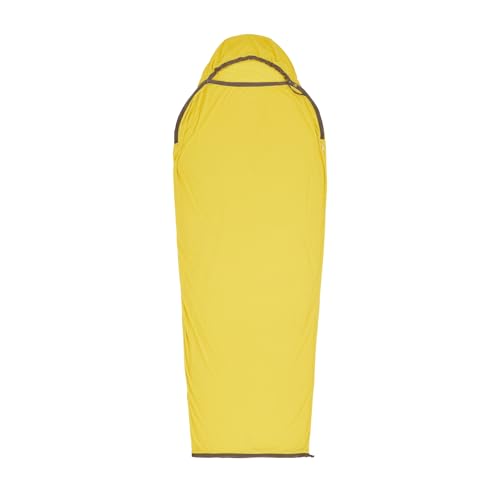
- Assuming a liner fixes any cold setup. Added layers may help, but their effect depends on the materials, fit, moisture, and conditions. Do not assume a specific temperature gain unless the manufacturer provides one.
- Using flame or fuel heat inside a shelter. Never operate fuel-burning equipment inside a tent or enclosed shelter. Follow equipment manuals and official fire-safety guidance for any heating or cooking outdoors.
As optional supporting equipment, an insulated pad can address ground heat loss when pad insulation is the weak point. Gear Doctors® ApolloAir 5.2 R-Value [17oz] is listed with an R-value of 5.2; check the manufacturer’s current guidance to confirm suitability for your conditions. It is not a substitute for a properly rated bag, dry sleep layers, or a safe campsite.

Pros
- Ultralight at 1.1 pounds
- Packs down to bottle size
- High 5.2 R-value for four-season use
- Pump sack inflates quickly
- Includes repair kit
Cons
- Not self-inflating, needs pump sack or electric pump
- Some users report crinkling noise
- R-value accuracy questioned by some users
Specifications
| Additional Features | Comes with pump sack(Not Self-Inflating), Compact, Lightweight |
|---|---|
| Brand Name | Gear Doctors |
| Included Components | Carry Bag, Pump, Repair Patch |
| Target Audience | Adult |
| Model Name | Gear Doctors |
| Number of Items | 1 |
| Unit Count | 1 Count |
| Manufacturer | Gear Doctors |
| Shape | Rectangular |
| Set Name | Camping Comfort Air Mattress Bundle |
Verify the current product variation before purchase; specifications may change.
Detailed Review
What stands out in the currently available product data:
- 5.2 R-value insulation keeps you warm through spring, summer, autumn, and cold snaps
- Packs down to 8.5 by 3 inches to fit easily in your pack or clip to the outside
- Inflates in under 2 minutes with the included pump sack, no lung power needed
- 3.2-inch horizontal chambers distribute weight for side, back, and stomach sleeping comfort
- Water-resistant 40D nylon fabric with E-LAST coating adds trail durability
- Includes repair kit and plastic needle to fine-tune airflow and fix punctures on the trail
Best For / Avoid If
Best for buyers prioritizing
- Ultralight at 1.1 pounds
- Packs down to bottle size
- High 5.2 R-value for four-season use
Consider another option if
- Not self-inflating, needs pump sack or electric pump
- Some users report crinkling noise
- R-value accuracy questioned by some users
FAQs
Should I buy a bag rated colder than the forecast?
Allow a margin because forecasts, campsite conditions, and personal comfort vary. Choose a bag using the rating type that matches your needs, and pair it with a suitable pad. No rating guarantees comfort or safety in every situation.
Can a sleeping pad make a warm-rated bag feel cold?
Yes. The bag’s insulation is compressed underneath you, so an inadequately insulating pad can allow substantial heat loss to the ground. Check pad R-value and condition alongside the bag rating.
Does a sleeping bag liner add a guaranteed number of degrees?
No. Added warmth depends on the liner, bag, fit, and conditions. Use a temperature gain only if the liner manufacturer states one and explains its basis.
How should I clean or repair a sleeping bag?
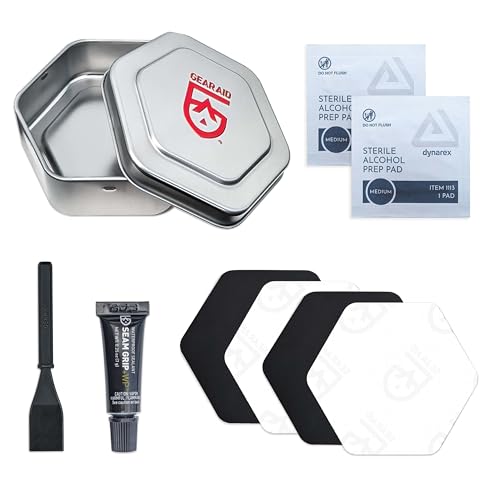
Follow the bag manufacturer’s care label and repair instructions; washing methods and suitable repair materials vary by fabric and insulation. Do not assume a patch or repair kit works with every model. For severe damage or uncertain care requirements, consult the manufacturer.
In short, diagnose the whole sleep system: rating type, pad insulation, bag fit and condition, dry layers, and campsite exposure. Fix the weakest link, then choose a setup with a sensible margin for the conditions.