Cotton clothing feels cold in damp camping weather because it absorbs water, dries slowly, and transfers heat away from your body more readily when wet. Damp fabric can also lose some of its insulating ability. Cool air, wind, sweat, rain, and high humidity can combine to make that chill worse.
Why damp cotton pulls heat from you
Dry clothing helps keep warm air close to your skin. Cotton fibers absorb moisture from sweat, rain, wet vegetation, or humid air. Once cotton is damp, it can feel clammy against your skin and hold moisture for a long time, especially when air is cool and humid. That slow drying leaves you in contact with wet fabric instead of a dry insulating layer.
Moisture also changes how heat moves. Water conducts heat better than still air, so damp fabric can carry body heat outward more quickly than dry fabric. Evaporation uses heat as well. When moisture evaporates from clothing or skin, it cools the surface. Wind can speed that cooling by carrying away warmed air near your body and encouraging evaporation.
Cotton is not automatically cold in every situation. Dry cotton can be comfortable in mild conditions. The problem is its moisture behavior: cotton absorbs water and often takes longer to dry than many synthetic fabrics or wool. In damp weather, a cotton shirt may remain wet long after activity stops, when your body produces less heat.
How to stay warmer in damp conditions
1. Start with dry clothing next to your skin
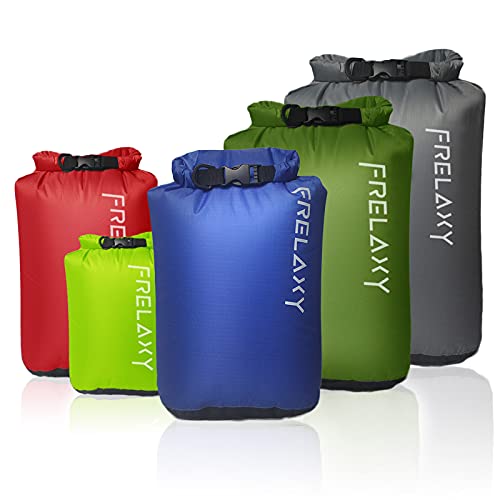
For cool, wet trips, choose a moisture-managing base layer rather than cotton. Synthetic fabrics and wool can move moisture away from skin and may dry faster, though performance varies by fabric, garment construction, and conditions. Pack a separate dry base layer for camp or sleep. Keep it in a waterproof bag until you need it.
If you already have cotton clothing, reserve it for low-risk, dry conditions or for use when you can change promptly if it gets wet. Do not rely on a cotton layer as your only insulation in cold, damp weather.
2. Adjust layers before you sweat
Overheating during a hike can soak clothing with sweat, even when rain is not falling. Open vents, remove a layer, or slow your pace before you become sweaty. Add insulation when you stop moving, since your body produces less heat at rest. Check how your skin and base layer feel at your chest and back; dampness there is an early sign to adjust effort or ventilation.
3. Keep rain and wind off your insulating layers
Use weather-appropriate outerwear to limit rain and wind reaching inner layers. A rain shell can reduce wetting from precipitation, but it can also trap perspiration if you work hard or fail to vent it. Follow garment care and use instructions from its manufacturer. No shell makes poor moisture management irrelevant, and no clothing system guarantees protection in every condition.
Check clothing at intervals, especially after strenuous uphill travel, stream crossings, or a change in weather. If a layer is wet, replace it with a dry one when practical and protect the wet garment from soaking other gear. A dry hat, gloves, and socks can make a meaningful difference because hands, feet, and head are exposed and can become uncomfortable quickly.
4. Protect sleep insulation from damp clothing
Change out of sweaty or wet daytime layers before bed. Wear dry sleep clothing and keep damp garments away from your sleeping bag or quilt. A sleeping pad matters too: it reduces heat loss to the ground, which clothing cannot prevent by itself. Match pad and sleep-system choices to expected temperatures and conditions; see this winter backpacking sleeping pad overview for related guidance.
Store dry sleep layers and insulation in a waterproof stuff sack or other suitable dry storage. Check seams, closures, and packed gear before setting out. For a wider look at cold-weather preparation, browse the site’s winter camping gear resources.
Practical checks before and during a trip
- Check forecast temperature, precipitation, wind, and expected overnight conditions using current local weather guidance.
- Pack a dry base layer and dry socks in waterproof storage, separate from clothing used during activity.
- Before leaving camp, check that rainwear, insulation, and sleep gear are dry and in serviceable condition.
- During activity, check for sweat at your back and chest; adjust pace, vents, or layers before clothing becomes soaked.
- At camp, change promptly if clothing is wet, and keep dry sleep clothing protected until bedtime.
- If cold exposure is worsening or someone becomes confused, unusually drowsy, uncoordinated, or unable to warm up, stop the activity and seek appropriate emergency help. Follow local emergency guidance.
Common mistakes to avoid
Wearing cotton as the only warm layer: It can stay damp after rain or exertion. Use a clothing system suited to the forecast, and carry a dry backup.
Waiting until camp to manage sweat: Wet clothing can cool you during a rest stop. Vent or remove layers before heavy sweating, then add warmth when activity slows.
Assuming a rain shell solves every moisture problem: Rainwear can reduce outside wetting but may trap sweat. Vent it as conditions allow, and check clothing rather than assuming it remains dry.
Putting wet clothing in a sleeping system: Damp layers can wet insulation and make sleep less comfortable. Change into dry sleep clothes and keep them protected.
Using one rule for every fabric and trip: Fiber content alone does not tell the whole story. Fabric weight, weave, fit, treatment, layering, activity, and weather all affect comfort. Follow garment care instructions, and check local forecasts and official safety guidance for trip-specific risks.
Frequently asked questions
Does cotton keep you warm when it is dry?
Dry cotton can feel comfortable in mild conditions. It is less dependable when clothing may get wet because it absorbs moisture and can dry slowly. In cold, damp weather, avoid relying on cotton as your main insulating clothing.
Why do I feel colder after stopping in damp clothes?
When you stop moving, your body produces less heat. Damp clothing can keep drawing heat away, while wind and evaporation can increase cooling. Change into dry layers when possible and add insulation before you become chilled.
Is wool always better than cotton for camping?
No single fabric is best for every person, activity, or condition. Wool and synthetic fabrics are often chosen for damp-weather base layers because they can manage moisture differently from cotton, but fit, construction, drying conditions, and personal comfort matter. Check care instructions and test clothing before a demanding trip.
Can I dry cotton clothing at camp?
Drying options depend on weather, campsite rules, and available safe facilities. Airing clothing may help when conditions allow, but cold, humid air can slow drying. Follow campsite rules and garment instructions. Never dry clothing over or near fuel-burning equipment in a way that risks fire or carbon monoxide exposure, and never operate fuel-burning equipment inside a tent or enclosed shelter.