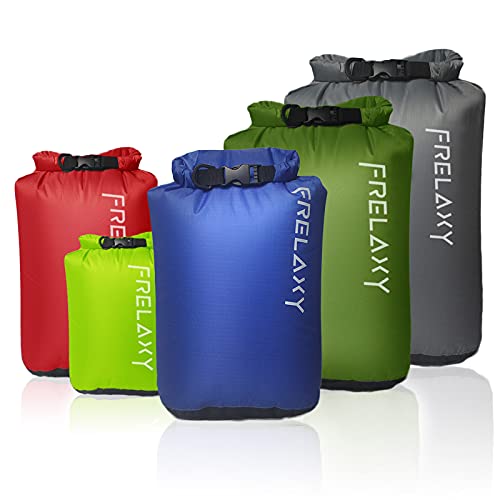
To keep snow out of your tent while packing, reduce the time the door stays open, brush snow off clothing and gear before bringing them inside, and pack from the vestibule or a sheltered spot when conditions allow. Work in a planned order: secure loose items, pack dry gear, then take down the tent last or move it only after you have protected sleeping gear from drifting snow.
Snow can blow through an open doorway, cling to boots and fabric, or fall from a tent fly as you handle it. Once inside, it can melt against insulation and leave sleeping bags, clothing, and packed items damp. These steps reduce that risk, but no setup can keep every snowflake out in strong wind. Adapt the process to your tent manual, weather, and campsite rules.
Prepare before opening the tent
Before you unzip the door, decide where each item will go. Close pack liners and dry bags, keep sleeping gear protected, and place items you need first near the exit. If you are packing outside, choose a stable, sheltered patch where wind is less likely to drive snow into the tent or onto your gear. Avoid blocking a route out of camp or disturbing fragile ground.
- Brush snow from the tent door and nearby fly before opening it.
- Shake or brush snow from jackets, gloves, pants, and packs outside.
- Knock snow from boot soles before stepping into the tent; leave boots in the vestibule if your setup allows.
- Keep a dry bag or pack liner ready for the sleeping bag and spare clothing.
- Secure loose gear so wind cannot carry it away while the door is open.
Use a soft brush or gloved hand on tent fabric. Avoid scraping with sharp tools, which can damage fabric, coatings, or mesh. Follow the tent maker’s care guidance for brushing, drying, and cleaning. If snow has frozen onto the fly, do not force fabric or zippers; gently clear what you can and follow the manual for handling ice.
Pack in a snow-control sequence
Pack items that must stay dry first, while the tent remains closed or the doorway stays open only briefly. Put sleeping bags, dry base layers, and other moisture-sensitive items into sealed bags before moving them. Do not set open bags in falling snow. If you have to pack inside the tent, keep the door opening small and place packed items away from the entrance.
Move gear through the doorway one item at a time rather than leaving the door fully open while you sort. Brush off each item before it crosses the threshold. Keep a clear path between the sleeping area and exit; stepping over piles of gear can knock snow from clothing or boots onto bedding.
When the interior is clear, pack the tent according to its design and the manufacturer’s instructions. In some conditions, it is practical to take down the inner tent and fly after other gear is protected. In others, wind or snowfall makes it safer to dismantle the shelter promptly. Do not detach a fly or loosen anchors if doing so could let the tent collapse onto you or expose someone to hazardous weather.
Use the vestibule and doorway carefully
A vestibule can provide a transition area for boots and snow-covered equipment, but it is not a sealed room. Keep the inner door zipped when you are brushing off gear or organizing items in the vestibule. If your tent has no vestibule, stand outside to clear snow before entering, and avoid storing wet boots or snow-covered equipment beside bedding.
Open the door on the side least exposed to wind when the tent layout and conditions make that possible. Hold the fabric clear of snow as you enter or exit, then close the zipper promptly. Do not assume a particular door orientation will remain sheltered; wind direction can change. If gusts make handling the door difficult, pause and secure loose items rather than forcing the zipper or letting the door flap.
For broader cold-weather planning, see this site’s winter backpacking sleeping pad guide and Winter Camping Gear category. Packing dry sleep insulation matters, but a pad and sleeping bag cannot compensate for a wet or unstable shelter.
Practical checks before leaving camp
- Check sleeping bags and spare clothing for visible snow or damp spots before sealing them away.
- Look inside corners, mesh pockets, and the area beside the door for snow that may have blown in.
- Wipe or shake loose snow from tent fabric before packing, following the tent maker’s instructions.
- Check that zippers, guy lines, and poles are free of trapped fabric or ice before packing them.
- Count essential items and secure them before the shelter comes down, especially in wind or low visibility.
If snow does get inside, remove loose snow before it melts. Use a dry cloth only if appropriate for the tent material, and avoid rubbing grit into fabric or mesh. Once home, dry the tent fully before storage according to its manual. For cleaning, repair, or material-specific care, follow the manufacturer’s instructions; do not assume a cleaner, patch, or adhesive suits every tent fabric or coating.
Common mistakes and limits
- Leaving the door open while sorting: Wind can carry snow inside quickly. Prepare the packing order first and open the door only when needed.
- Bringing snow-covered boots onto the sleeping area: Snow melts and wets fabric. Brush boots outside or keep them in the vestibule if available.
- Shaking the fly over exposed gear: Snow can fall onto packed sleeping insulation. Protect dry items before handling the fly.
- Forcing frozen zippers or fabric: This can cause damage. Clear loose snow gently and consult the tent manual for ice or zipper care.
- Taking down camp in unsafe weather: A snow-control routine does not make severe wind, poor visibility, avalanche terrain, or extreme cold safe. Follow local forecasts and official land-management or emergency guidance, and delay or change plans when conditions require it.
Keep fuel-burning heaters, stoves, and lanterns out of tents and other enclosed shelters. They can create carbon monoxide, fire, and burn hazards. For fuel use and storage, follow equipment manuals and applicable local rules; cook only in a location and manner permitted by the device maker and campsite guidance.
FAQs
Should I pack the tent from inside or outside?
Either can work. Packing inside may protect gear from falling snow, but it can crowd the shelter and keep the doorway open longer. Packing outside can limit snow entering the tent, but exposes fabric and equipment to wind and precipitation. Protect sleep gear first and choose the method that fits the tent design and conditions.
How do I stop snow blowing through the tent door?
Clear snow from the door, open it briefly, keep the inner door zipped while using the vestibule, and close it as soon as you pass through. A sheltered entrance may help, but wind shifts can defeat that approach. Do not rely on a door orientation as a guarantee.
Can I pack a tent while its fly is snowy or wet?
Remove loose snow if practical, then pack it as needed for safe travel. A wet or snowy tent may need drying later; follow the manufacturer’s packing and care instructions. Do not store it long-term while damp, because trapped moisture can damage materials or encourage mildew.
What if snow gets on my sleeping bag?
Brush off loose snow before it melts, then protect the bag in a dry, closed stuff sack or pack liner. If it becomes damp, keep it separate from dry gear and dry it as soon as conditions and manufacturer guidance allow. Avoid using direct heat unless the sleeping bag maker specifically permits it.