For couples and families car camping, a double sleeping bag can make shared sleep simpler than joining two individual bags. The best sleeping bag under $200 depends on your expected nighttime temperatures, sleeping pad, and willingness to carry a bulky packed bag.
These options focus on spacious double designs, with differences in temperature labeling, construction, and versatility. Start with your coldest planned nights, then compare the sleeping systems category for related equipment considerations.

Pros
- Spacious double-sleeping-bag design
- Soft poly-flannel lining
- Dual side zippers
- Draft tubes retain warmth
- Stuff sack included
Cons
- Heavy 16.5-pound packed weight
- Bulky for backpacking
- Requires insulated sleeping pad for cold ground
Specifications
| Color | Green |
|---|---|
| Size | Mammoth 0F |
| Dimensions | 93.99999990412 x 61.99999993676 x 2.99999999694 inches |
| Weight | 16.5 Pounds |
| Product Group | Outdoors |
| Binding | Apparel |
Verify the current product variation before purchase; specifications may change.
Detailed Review
What stands out in the currently available product data:
- Queen-size 94-by-62-inch layout gives couples and families generous sleeping space
- 0°F-rated design targets cold-weather camping and base-camp use
- Soft poly-flannel lining adds comfort during overnight trips
- Dual side zippers allow easier entry, exit, and temperature control
- Shoulder and zipper draft tubes help limit heat loss
- Stuff sack simplifies packing without difficult rolling

Pros
- 94-by-62-inch shared sleeping space
- Soft poly-flannel lining
- Dual-layer construction
- Included stuff sack
- Family-friendly design
Cons
- Heavy 14-pound packed weight
- Bulky for backpacking
- 20°F rating requires proper insulation and conditions
Specifications
| Color | Blue |
|---|---|
| Size | Mammoth 20F |
| Dimensions | 94 x 62 x 3 inches |
| Weight | 14 pounds |
| Product Group | Outdoors |
| Binding | Sports |
Verify the current product variation before purchase; specifications may change.
Detailed Review
What stands out in the currently available product data:
- Queen-size dimensions give two sleepers room to spread out
- Soft poly-flannel lining improves comfort during campground stays
- Dual-layer construction supports warmth in cooler conditions
- Side zippers allow easier entry and flexible ventilation
- Draft tubes help reduce heat loss around zipper and shoulders
- Included stuff sack simplifies packing without difficult rolling

Pros
- Spacious 87-by-63-inch sleeping area
- Two included facecloth pillows
- Three configurable sleeping modes
- Separate foot-area zipper
- Backpack-style carry design
Cons
- Heavy 12.35-pound product weight
- Bulky for backpacking trips
- Splash-resistant rather than fully waterproof
Specifications
| Color | Drill Green-ISO 30℉ |
|---|---|
| Size | Queen Size |
| Dimensions | 86.61417314 x 62.99212592 x 2.99999999694 inches |
| Weight | 12.345886672 pounds |
| Product Group | Outdoors |
Verify the current product variation before purchase; specifications may change.
Detailed Review
What stands out in the currently available product data:
- Queen-size layout provides room for two adults or a parent and child
- Three configurations adapt the bag for summer, spring, fall, and colder use
- Two included pillows add head support without separate camp cushions
- Separate bottom zipper creates extra foot room and easier movement
- Flannel lining and layered hollow-cotton insulation support adjustable comfort
- Backpack-style storage makes the bulky bag easier to carry
Best For / Avoid If
Best for buyers prioritizing
- Spacious 87-by-63-inch sleeping area
- Two included facecloth pillows
- Three configurable sleeping modes
Consider another option if
- Heavy 12.35-pound product weight
- Bulky for backpacking trips
- Splash-resistant rather than fully waterproof
Temperature rating and realistic conditions
The TETON Sports Mammoth models carry 0-degree and 20-degree labels, while Naturehike describes its design as adjustable for four-season use. These labels and manufacturer descriptions are not interchangeable comfort guarantees; supplied information does not identify a standardized rating system.
Choose around the coldest likely overnight conditions, your personal cold tolerance, and whether you can add insulation. For freezing weather, verify the manufacturer’s rating method and product documentation before relying on any bag as your only warmth layer.
Sleeping pad and insulation underneath
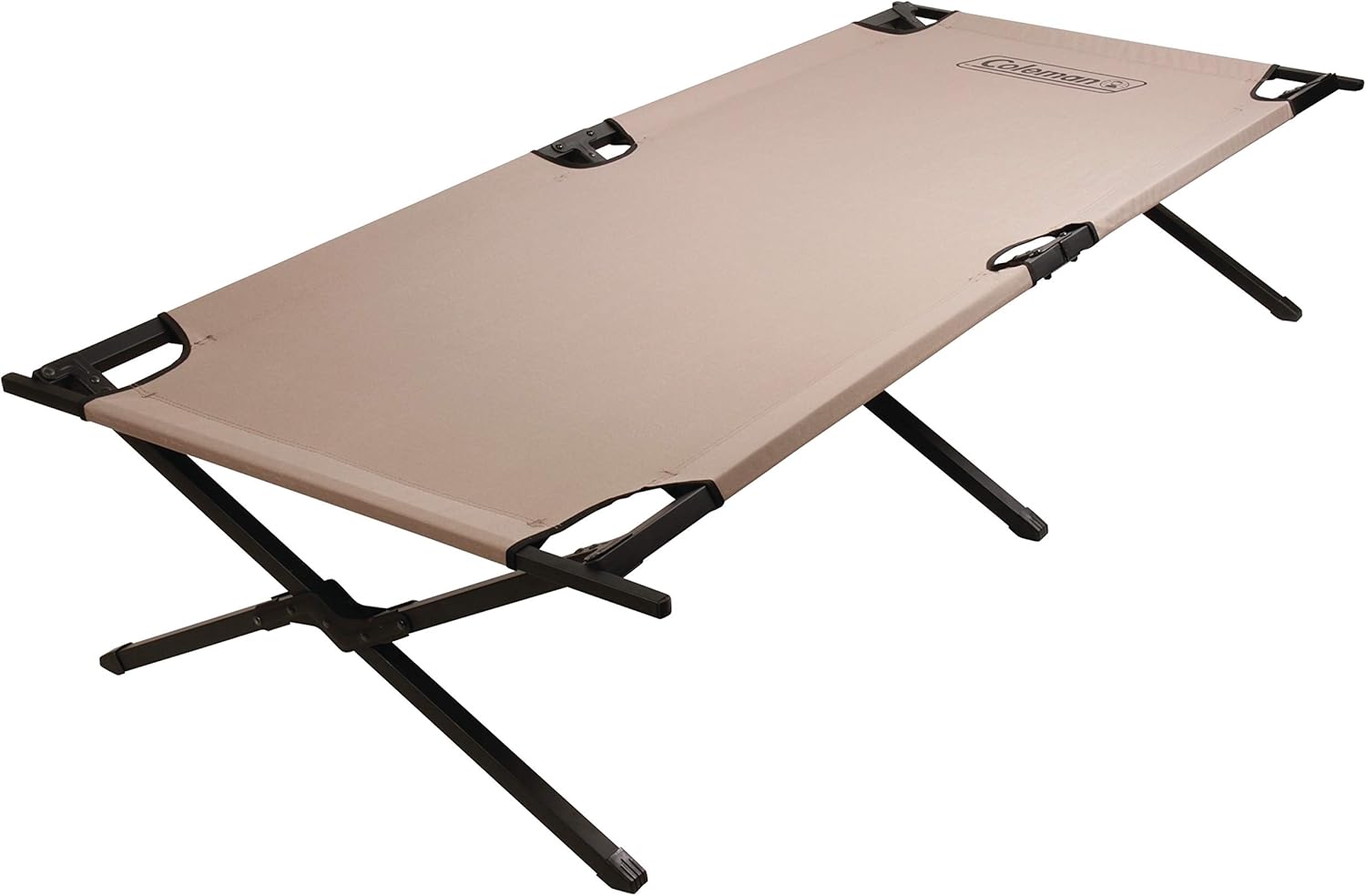
A sleeping bag compresses beneath your body, limiting the insulation available between you and cold ground. TETON Sports recommends an insulated camp pad; that recommendation matters because bag warmth alone does not address heat loss into the ground.
Match pad insulation to the trip’s temperatures and check that its dimensions suit a double bag. If an inflatable pad develops a slow leak, this sleeping pad leak guide covers ways to locate the problem before your next outing.
Capacity, dimensions, and shared comfort
Both TETON Mammoth bags measure 94 by 62 inches, while the Naturehike measures 87 by 63 inches. Those listed dimensions suggest generous shared space, but they do not establish how comfortably a particular couple or family will fit.
Consider shoulder room, foot space, and how often sleepers move independently. Naturehike lists a separate bottom zipper for foot space, while TETON says its bags unzip on each side, offering different ways to adjust access and ventilation.
Construction, materials, and moisture
The TETON models list a poly-flannel lining, dual-layer construction, and draft tubes at the zipper and shoulders. These features may help limit drafts and provide a soft interior, but supplied product details do not establish measured warmth or long-term durability.
Naturehike lists 210T pongee fabric with splash-proof treatment, flannel lining, and hollow-cotton fill in two cover layers. Splash resistance is not the same as waterproof protection, so keep the bag away from tent leaks, wet ground, and condensation.
Versatility across seasons
Naturehike describes three configurations: a double cover for spring and fall, an inner single cover for summer, and a folded configuration for winter. That flexibility may suit trips with changing conditions, but the supplied details do not provide verified temperature ratings for each mode.
Do not assume a product described as four-season-ready will suit every winter campsite. For cold trips, use a suitable pad, check the relevant rating documentation, and carry clothing or backup insulation appropriate to the forecast.
Packed size, transport, and care
These wide, two-person bags prioritize shared space over compact packing, making them more practical for car camping than most weight-conscious backpacking plans. TETON includes a stuff sack designed for stuffing rather than rolling, while Naturehike describes a backpack-style storage bag.
No packed dimensions or weights were supplied, so compare those specifications directly with your vehicle storage or carrying needs before purchase. Follow the care instructions for each bag, and dry it thoroughly after damp trips to reduce the chance of lingering moisture.
Why You Should Trust Us
We base this comparison on supplied product descriptions and listed features, not claimed hands-on testing. We distinguish manufacturer statements, such as temperature labels and configuration claims, from practical guidance about pads, fit, and trip conditions.
Available data does not include standardized temperature-test results, packed measurements, warranty terms, or verified long-term durability. Check current product documentation for those details, especially before planning cold-weather use or choosing equipment for a trip where replacing gear would be difficult.
Final Thoughts
For couples or families prioritizing shared room in a car-camping setup, the Teton Mammoth, 20 Degree Double Sleeping Bag is our best overall fit among these options. Its listed dimensions match the 0-degree Mammoth, while its 20-degree label makes the intended distinction clear; confirm rating details for your conditions.
The Naturehike Double Sleeping Bag for Adults is the value-minded choice for campers who want multiple described configurations, two pillows, and a backpack-style storage bag. Its versatility is appealing, but verify temperature guidance for each mode rather than treating the four-season description as a measured rating.
For buyers seeking the lowest listed temperature label, the Teton Mammoth, 0 Degree Double Sleeping Bag is the specific-use pick, provided the product’s rating suits the trip. All three prioritize shared car-camping comfort over compact carry; compare extra-wide sleeping pads and camping pillows for neck support when building a compatible sleep setup.
FAQs
Are double sleeping bags warm enough for winter camping?
It depends on verified temperature performance, the pad underneath, individual cold tolerance, and campsite conditions. Confirm rating documentation and bring suitable backup insulation for cold-weather trips.
Is a 0-degree sleeping bag comfortable at 0 degrees?
Not necessarily. The supplied information does not identify a standardized rating method or comfort temperature, so treat the label as a claim to verify rather than a personal comfort guarantee.
Can two adults share a double sleeping bag?
Both TETON models list dimensions of 94 by 62 inches, and Naturehike lists 87 by 63 inches. Fit depends on sleeper size, preferred room, and movement during sleep.
Do I need a sleeping pad under a double sleeping bag?
Yes, plan for an appropriate pad because the bag’s insulation compresses underneath sleepers. Choose insulation suited to expected ground and air temperatures, and make sure the pad fits your sleeping arrangement.
Is splash-proof fabric waterproof?
No. Naturehike describes its outer fabric as splash-proof, which does not establish waterproof protection against sustained rain, tent leaks, or wet ground.
Can I use a double sleeping bag for backpacking?
These models emphasize space and shared comfort, and supplied data does not list weights or packed dimensions. Check those measurements against your carrying capacity before taking one on a backpacking trip.
What is different about Naturehike’s sleeping bag configurations?
Naturehike describes a double cover, a summer inner cover, and a folded winter configuration. The product details supplied here do not give separate verified temperature ratings for those modes.
How should I store a sleeping bag between trips?
Follow the manufacturer’s care and storage instructions, and ensure the bag is dry before putting it away. For a more comfortable sleep system, see this guide to choosing a camping pillow for neck support.