
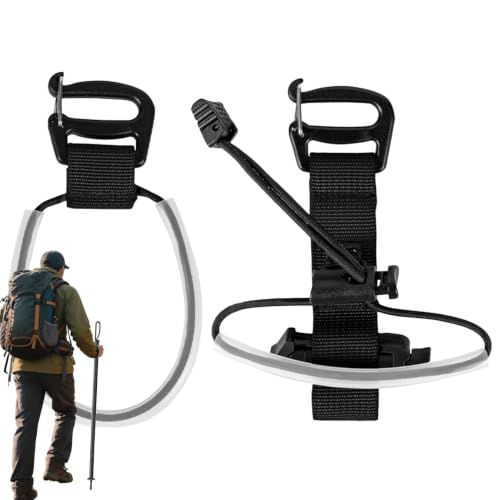
Trekking Pole Carry Options We Recommend for Trail Days
Secure trekking poles so they stay accessible without swinging into your legs or catching on brush. Learn attachment options, fit checks, and trail adjustments for different packs.
We independently review everything we recommend. When you buy through our links, we may earn a commission. As an Amazon Associate we earn from qualifying purchases.
Compare hiking backpacks and trail gear by fit, capacity, durability and portability. Explore practical equipment guides for day hikes and overnight trips.
Secure trekking poles so they stay accessible without swinging into your legs or catching on brush. Learn attachment options, fit checks, and trail adjustments for different packs.
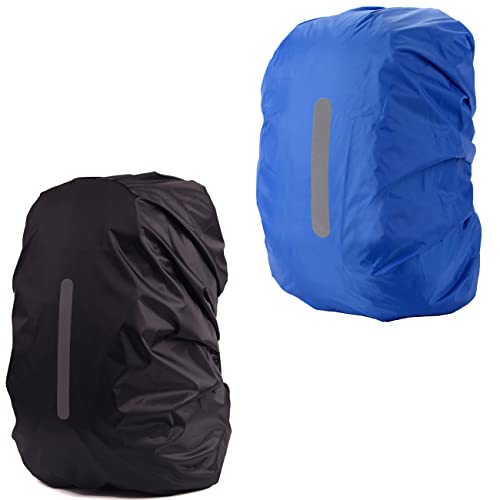
A backpack rain cover sheds rain, snow, dust, and trail grime from the outside of your pack. Learn when it helps, where it falls short, and how to choose a secure fit.

A balanced overnight pack keeps essentials accessible without making the walk harder than necessary. Use this packing sequence to manage weight, weather exposure, and camp needs.

Plan a short campground hike by choosing a suitable route, checking current conditions, and carrying essentials for the time outdoors. Share your plan, follow local rules, and turn back if conditions or energy change.
Weighing your backpacking gear at home helps you see what your pack will carry before you leave. Use a kitchen or luggage scale, record each item, and check your packed load with food and water included.

Measure backpack capacity by adding the usable volume of its compartments, using known-volume containers or measured dimensions. Compare results cautiously because brands may count pockets and measure capacity differently.
Brush off loose mud, then clean your hiking backpack with mild soap and cool water. Check its care label, protect coatings and hardware, and dry it fully before storage.

A hiking backpack usually pulls on your shoulders when its weight is not transferring well to your hips or its fit is off. Check load, torso fit, hip belt position, and strap tension before changing your route or adding gear.
A bouncing backpack usually signals loose fit, poor load placement, or unsecured gear. Adjust the hip belt and shoulder straps, then stabilize the load before hiking on.
Remove mud, insoles, and laces, then dry boots slowly with airflow at room temperature. Avoid direct heat, which can damage adhesives, leather, and waterproof membranes.