
For backpacking, sleeping bag choice affects warmth, pack volume, and how comfortably you recover overnight. This hiking sleeping bag guide compares 5 options in November 2026, including products from TETON Sports, ECOOPRO, MalloMe and more.
Start with expected nighttime lows, then check temperature-rating details and pair the bag with an insulated sleeping pad. For pad fit and insulation choices, see our self-inflating sleeping pad guide.

Pros
- Roomy for a mummy bag
- Splash-resistant outer fabric
- YKK zippers slide smoothly
- Packs down fairly small
- Machine washable on delicate
Cons
- Not for freezing or winter use
- Filling type not specified for insulation
- Polycotton may feel heavier than synthetics
Specifications
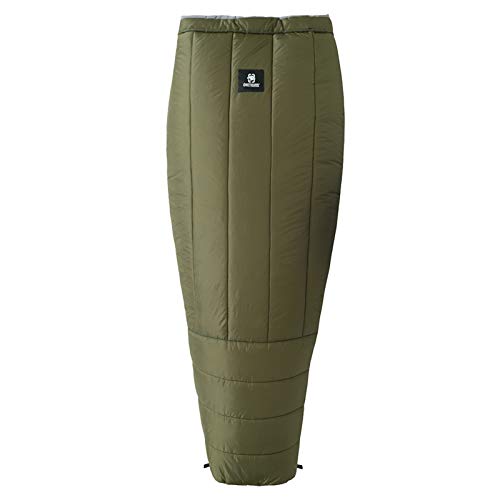
| Brand | ONETIGRIS |
|---|---|
| Color | OD Green |
| Occupancy | 1 Person |
| Shape | Mummy |
| Seasons | 3 Seasons |
| Temperature Rating | 3 to 14 degrees Celsius |
| Age Range (Description) | Adult |
| Sport | Camping & Hiking |
| Special Feature | Portable |
| Material | PolyCotton |
Verify the current product variation before purchase; specifications may change.
Detailed Review
Key features from the product listing:
- Mummy shape reduces heat loss and packs small for backpacking
- Polycotton shell resists splashes and dries quickly after washing
- YKK anti-snag zipper with cord-stopped hood seals in warmth
- 6.8-foot length and 2.7-foot width fit most adults and kids comfortably
- Compresses into a 7.8 by 16.5 inch stuff sack for easy storage
- Rated for 46 to 59°F (8 to 15°C) ideal for spring, summer, and fall
Best For / Avoid If
Best for buyers prioritizing
- Roomy for a mummy bag
- Splash-resistant outer fabric
- YKK zippers slide smoothly
Consider another option if
- Not for freezing or winter use
- Filling type not specified for insulation
- Polycotton may feel heavier than synthetics

Pros
- Under 3 pounds
- 50°F to 77°F rating
- Fits sleepers up to 6 feet
- Waterproof, wipe-clean outer shell
- Compression sack with straps included
Cons
- 50°F rating limits cold-weather use
- Synthetic fill heavier than down
- Marketed as cold weather despite warm rating
Specifications
| Color | Ocean Blue |
|---|---|
| Size | 31.5 x 86.6" Everyday 3 Season 50-80°F |
| Dimensions | 86.61417314 x 29.527559025 x 2.99999999694 inches |
| Weight | 2.866009406 Pounds |
| Product Group | Outdoors |
| Binding | Sports |
Verify the current product variation before purchase; specifications may change.
Detailed Review
Key features from the product listing:
- Rated 50°F to 77°F, covering warm spring, summer, and fall nights
- Weighs roughly 2.9 pounds, so it barely registers in a pack or trunk
- 86.6-inch length comfortably accommodates campers up to about 6 feet tall
- Double-layered waterproof shell with S-shape stitching sheds dew and drizzle
- 3D synthetic fill holds insulation value even in damp conditions
- Included compression sack with straps shrinks packed size and simplifies carrying
Best For / Avoid If
Best for buyers prioritizing
- Under 3 pounds
- 50°F to 77°F rating
- Fits sleepers up to 6 feet
Consider another option if
- 50°F rating limits cold-weather use
- Synthetic fill heavier than down
- Marketed as cold weather despite warm rating

Pros
- 0°F temperature option
- Roomier mummy design
- Compression sack included
- Multiple temperature options
- Adult-sized dimensions
Cons
- 4.2-pound weight is substantial for backpacking
- Temperature rating methodology not provided
- Insulation type and materials not specified
Specifications
| Color | Black/Sage |
|---|---|
| Size | 0F Regular |
| Dimensions | 81 x 30 x 3 inches |
| Weight | 4.2 Pounds |
| Product Group | Outdoors |
| Binding | Sports |
Verify the current product variation before purchase; specifications may change.
Detailed Review
Key features from the product listing:
- 0°F temperature option for trips where cold-weather coverage is a priority
- Roomier mummy shape allows more movement than a restrictive cut
- Included compression sack helps reduce packed bulk
- Listed 81-by-30-inch dimensions provide sleeping space for adults
- Available in 0°F, 20°F, and 30°F options
- Three listed size choices help match fit to camper
Best For / Avoid If
Best for buyers prioritizing
- 0°F temperature option
- Roomier mummy design
- Compression sack included
Consider another option if
- 4.2-pound weight is substantial for backpacking
- Temperature rating methodology not provided
- Insulation type and materials not specified
Pros
- Lightweight 1.7-pound carry weight
- Compact compression-sack storage
- Waterproof nylon outer shell
- Comforter-style versatility
- Adult-friendly 83-inch length
Cons
- Limited to warm-weather camping
- Envelope shape offers less thermal efficiency
- No stated insulation fill details
Specifications
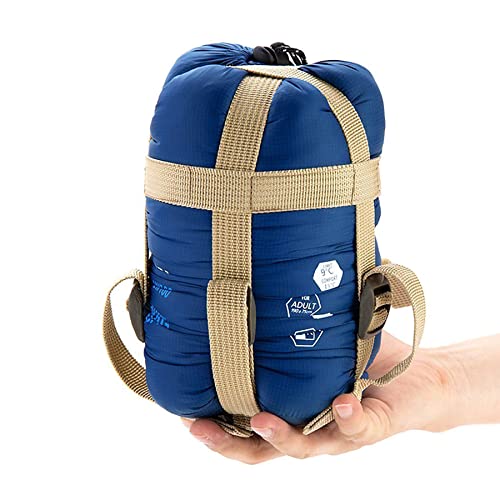
| Color | Dark blue |
|---|---|
| Size | 2.9 x 1.6 x 12.2" |
| Dimensions | 2.9 x 1.6 x 12.2 inches |
| Weight | 1.6975594174 pounds |
| Product Group | Outdoors |
| Binding | Apparel |
Verify the current product variation before purchase; specifications may change.
Detailed Review
Key features from the product listing:
- Lightweight 1.7-pound design reduces pack weight for backpacking and hiking
- Compression sack reduces packed height to approximately 11 inches
- Waterproof nylon shell adds protection from damp campsite conditions
- 83-by-30-inch shape fits most adults according to the manufacturer
- Breathable polyester lining is designed for warm-weather comfort
- Smooth zip closure supports easier entry and exit
Best For / Avoid If
Best for buyers prioritizing
- Lightweight 1.7-pound carry weight
- Compact compression-sack storage
- Waterproof nylon outer shell
Consider another option if
- Limited to warm-weather camping
- Envelope shape offers less thermal efficiency
- No stated insulation fill details

Pros
- 20-degree temperature rating
- 2.9-pound packed weight
- Roomy footbox
- Included stuff sack
- Microfiber insulation
Cons
- Standard size limits room for larger sleepers
- Synthetic insulation adds bulk
- Temperature comfort varies by sleeper
Specifications
| Color | Orange |
|---|---|
| Size | Standard |
| Dimensions | 87 x 32 x 3 inches |
| Weight | 2.9 Pounds |
| Product Group | Outdoors |
| Binding | Sports |
Verify the current product variation before purchase; specifications may change.
Detailed Review
Key features from the product listing:
- 20-degree rating supports cool-weather camping
- 2.9-pound weight suits car camping and backpacking
- Microfiber insulation balances loft and packability
- Roomy footbox improves sleeping comfort
- Zipper draft tube helps limit heat loss
- Included stuff sack simplifies packing
Temperature rating and real overnight conditions
Temperature language varies by listing. MalloMe is described for 50°F to 77°F, ECOOPRO for 55°F to 60°F, and OneTigris for 46.4°F to 59°F conditions.
TETON LEEF is offered in 0°F, 20°F, and 30°F versions, while Teton Trailhead is identified as a 20-degree bag. The published details do not clarify rating standards or distinguish comfort from lower-limit ratings, so avoid treating these numbers as directly equivalent.
Choose a bag with margin below the forecast low, especially in exposed camps or shoulder-season weather. Your metabolism, clothing, shelter, wind, moisture, and sleeping pad all affect warmth; no temperature label guarantees comfort.
Insulation and sleeping pad compatibility
Insulation beneath your body compresses, so a sleeping bag cannot replace a suitable insulated pad. Teton Sports specifically recommends using an insulated camp pad with Trailhead to sleep warmer.
Compare insulation type only where product information supplies it. OneTigris lists polycotton fill, while Trailhead describes microfiber insulation; the other listings do not provide enough detail here for a reliable material comparison.
For cold-weather trips, assess the whole sleep system rather than relying on a bag label alone. Our wide sleeping pad quilt guide can help compare alternative sleep-system setups.
Shape, fit, and room to move
Mummy designs reduce open space around the body, which can suit hikers prioritizing warmth and compact packing. OneTigris lists a roomy 6.8-foot by 2.7-foot cut, while LEEF is described as a roomier mummy design.
ECOOPRO uses an envelope shape and lists dimensions of 83 by 30 inches. That shape may feel less restrictive for warm-weather campers, but a roomier interior can be a poor match when minimizing dead air matters.
Check shoulder, hip, and foot room against your sleeping position and clothing layers. Product dimensions do not confirm fit for every body, so compare the listed measurements with a bag you already find comfortable.
Weight, packed size, and carrying method
Every ounce and liter competes with food, water, and shelter in a backpack. ECOOPRO lists a weight of 1.7 lb and an 11-inch packed height; MalloMe lists a weight around 3 lb.
OneTigris describes a stuff sack measuring 7.8 by 16.5 inches, and both LEEF and Trailhead include compression or stuff sacks. The published details do not state packed dimensions or weights for those TETON bags, so verify current specifications before planning a load.
Compression can reduce carrying volume, but long-term storage should follow the maker’s instructions rather than leaving insulation compressed. For a backpacking setup, consider the pack capacity and other bulky items, not the sleeping bag alone.
Shell, weather exposure, and care
Several listings use water-resistance language, but that does not establish that a sleeping bag is waterproof or suitable for prolonged rain. ECOOPRO describes a waterproof nylon outer, and MalloMe calls its shell waterproof; treat those as manufacturer claims, not a substitute for a dry shelter.
OneTigris specifies a 300T pongee shell, 190T pongee lining, and delicate-cycle machine washing. MalloMe describes wiping the shell clean and machine washing when heavily soiled, while care details for other options are not listed.
Keep the bag dry inside a pack liner or waterproof stuff sack when rain is possible. Follow the care label, dry the bag fully before storage, and avoid assuming that a water-repellent shell protects insulation after soaking.
Zippers, hood, and practical ownership
Small construction details can matter during repeated use. OneTigris specifies YKK zippers with an anti-snag design and a cord-stopped hood; MalloMe describes double-sided zippers and a securing strap.
Trailhead lists a zipper draft tube, roomy footbox, soft liner, and hang loops. These features address comfort and storage, but listing details do not establish long-term durability or ease of repair.
Inspect zipper tracks, seams, and fabric after trips, and address snags gently rather than forcing a stuck slider. For car camping, packed size may matter less than fit; for hiking, weight and compressed volume usually deserve more attention.
Why you should trust us
We compare the published product descriptions by temperature information, shape, stated materials, packed-carry details, and included design features. Recommendations reflect those documented differences and explain where missing specifications limit a direct comparison.
We do not treat seller language as independent proof of warmth, waterproofing, durability, or field performance. Confirm the current manufacturer specifications, care instructions, sizing, and rating method before choosing gear for a consequential trip.
Final thoughts
For a balanced option with a stated 20-degree rating, draft tube, roomy footbox, and stuff sack, Teton Trailhead, 20 Degree Sleeping Bag is our best overall fit among these descriptions. Who should skip it: hikers who need verified packed dimensions or a clearly documented rating standard before buying.
ECOOPRO Warm Weather Sleeping Bag is the value-oriented warm-weather choice, with a listed 1.7 lb weight and envelope shape. Its stated temperature range makes it a poor pick for cold nights; skip it if your route may fall well below that range.
For trips where a mummy shape and selectable colder temperature options matter, Teton LEEF Lightweight Mummy Sleeping Bag Perfect offers 0°F, 20°F, and 30°F versions. Who should skip it: buyers needing a confirmed packed weight or detailed rating method from the published information; compare the correct size and version before purchase.
Sleep-system fit still decides comfort. Pair your choice with a pad appropriate to expected conditions, and compare alternatives in our vehicle-camping mattress guide if hiking is not your primary use.
FAQs
Which temperature rating should I choose for a hiking sleeping bag?
Use the coldest plausible overnight low as a starting point, then account for your pad, shelter, clothing, and personal sleep comfort. Check whether the maker identifies a comfort rating or another rating measure.
Is a 20-degree sleeping bag warm enough for backpacking?
It depends on nighttime conditions and the rest of your sleep system. A 20-degree label alone cannot establish comfort, especially if you sleep cold or use a pad with insufficient insulation.
Are lightweight envelope sleeping bags good for hiking?
They can suit warm-weather trips when low weight and freedom of movement matter. Compare their temperature guidance and packed volume with mummy designs before using one in colder conditions.
Can I use a water-resistant sleeping bag in rain?
No bag should replace a rainproof shelter and dry packing system. Water-resistance claims do not show how long a shell can withstand rain or how quickly insulation dries after getting wet.
Does a sleeping pad make a bag warmer?
A suitable insulated pad limits heat loss to the ground, which supports the full sleep system. It does not change the sleeping bag’s stated rating, and pad insulation needs to suit expected conditions.
How should I store a sleeping bag between trips?
Follow the manufacturer’s care and storage instructions, and store the bag clean and fully dry. Avoid prolonged compression unless the product instructions specifically allow it.
How should I shortlist hiking sleeping bags in 2026?
Start with a few candidates, then compare temperature guidance, dimensions, insulation details, and carrying weight. A category label cannot replace matching a bag to your route and expected weather.
What sleeping pad works for car camping?
Choose by vehicle space, sleeping position, and insulation needs. Our double sleeping pad guide for station wagon camping covers a different fit from a backpacking setup.