
For damp shoulder-season trips, a sleeping bag needs more than a low temperature claim. Synthetic insulation, a shell that handles campsite moisture, dependable zippers, and a suitable sleeping pad matter more than extra features.
This guide evaluates 2 MalloMe options for mild spring and fall camping, family trips, and casual backpacking. The available data lists a 50°F to 77°F temperature range, around 3 lb weight, a waterproof outer shell claim, and synthetic fill. For broader sleep-system planning, see our Sleeping Systems category guide.

Pros
- Under 3 pounds
- 50°F to 77°F rating
- Fits sleepers up to 6 feet
- Waterproof, wipe-clean outer shell
- Compression sack with straps included
Cons
- 50°F rating limits cold-weather use
- Synthetic fill heavier than down
- Marketed as cold weather despite warm rating
Specifications
| Color | Ocean Blue |
|---|---|
| Size | 31.5 x 86.6" Everyday 3 Season 50-80°F |
| Dimensions | 86.61417314 x 29.527559025 x 2.99999999694 inches |
| Weight | 2.866009406 Pounds |
| Product Group | Outdoors |
| Binding | Sports |
Verify the current product variation before purchase; specifications may change.
Detailed Review
Key features from the product listing:
- Rated 50°F to 77°F, covering warm spring, summer, and fall nights
- Weighs roughly 2.9 pounds, so it barely registers in a pack or trunk
- 86.6-inch length comfortably accommodates campers up to about 6 feet tall
- Double-layered waterproof shell with S-shape stitching sheds dew and drizzle
- 3D synthetic fill holds insulation value even in damp conditions
- Included compression sack with straps shrinks packed size and simplifies carrying
Best For / Avoid If
Best for buyers prioritizing
- Under 3 pounds
- 50°F to 77°F rating
- Fits sleepers up to 6 feet
Consider another option if
- 50°F rating limits cold-weather use
- Synthetic fill heavier than down
- Marketed as cold weather despite warm rating
Pros
- Adult-friendly 86.6-inch length
- Water-resistant outer shell
- Machine-washable design
- Compression sack included
- Useful for family camping
Cons
- Not suited to freezing temperatures
- Heavy for ultralight backpacking
- Temperature range varies across listing details
Specifications
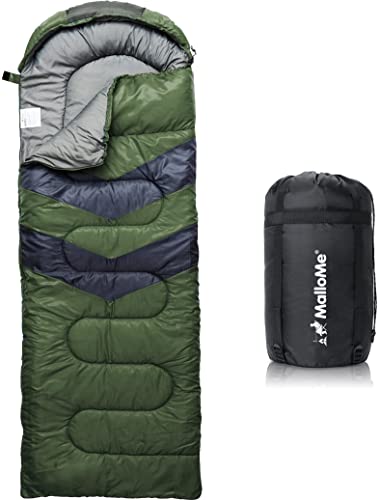
| Color | Forest Green |
|---|---|
| Size | 31.5 x 86.6" Everyday 3 Season 50-80°F |
| Dimensions | 86.61417314 x 29.527559025 x 2.99999999694 inches |
| Weight | 3.086471668 pounds |
| Product Group | Outdoors |
| Binding | Sports |
Verify the current product variation before purchase; specifications may change.
Detailed Review
Key features from the product listing:
- Mild-weather coverage for spring, summer, and fall camping
- 86.6-inch length accommodates adults up to 6 feet
- Water-resistant shell helps handle damp campsite conditions
- Compression sack with straps simplifies storage and transport
- Machine-washable construction reduces cleanup after messy trips
- Double-sided zippers are designed to reduce snagging
Best For / Avoid If
Best for buyers prioritizing
- Adult-friendly 86.6-inch length
- Water-resistant outer shell
- Machine-washable design
Consider another option if
- Not suited to freezing temperatures
- Heavy for ultralight backpacking
- Temperature range varies across listing details
Temperature range and real conditions
The listed 50°F to 77°F range suits mild nights better than cold, exposed shoulder-season camps. Treat that range as product information, not a guarantee of personal comfort or safe use.
Wind, humidity, clothing, metabolism, tent ventilation, and sleeping-pad insulation change how warm you feel. If forecasts approach the lower end, bring suitable layers and avoid relying on the bag alone.
Moisture resistance and drying
The product data describes a waterproof outer protective shell with hex-pattern construction and double-layer S-shaped stitching. That may help manage light surface moisture, but it does not make a sleeping bag a dry shelter.
Keep the bag inside a dry tent, protect it from ground moisture, and air it after use. Synthetic fill generally suits damp trips because it is less moisture-sensitive than down, but wet insulation still loses usefulness.
Insulation and sleeping pad pairing
The listed insulation is synthetic fiber fill. That choice favors easier care and reasonable damp-weather practicality, although the listing information does not provide loft, fill weight, or an independently verified temperature standard.
A sleeping bag cannot replace ground insulation. Use a pad appropriate for forecast conditions, because cold ground can drain warmth even when the bag feels adequately insulated above you.
Fit, hood, and zipper control
The manufacturer information says the bag fits a 6-foot adult and includes a headrest drawstring. That can help reduce open space around your head, but fit remains personal and sizing details are limited.
Double-sided zippers, a securing hook-and-loop strap, and the stated snag-resistant design support simpler nighttime use. Check zipper travel and interior room before choosing a bag for a large adult or layered clothing.
Weight, packed size, and trip type
The listed weight is around 3 lb, with a compression sack and carry straps included. That is reasonable for car camping and short walks, but weight-sensitive backpackers should compare complete packed dimensions before committing.
A compression sack can simplify transport, yet long-term storage should not keep synthetic insulation tightly compressed. Store the bag loose or in a larger breathable container when practical.
Cleaning and field maintenance
The listing information says the shell can be wiped with a damp cloth and that machine washing is supported for heavier soil. Follow the current care label because washing method, detergent, and drying affect insulation life.
Dry the bag fully before storage, keep food away from sleeping gear, and repair small shell or zipper problems early. A waterproof stuff sack can protect it during wet transport, but compression should remain temporary.
Value, limitations, and first-purchase mistakes
These two listings share the same stated temperature range, approximate weight, construction claims, and feature set. The listing information does not explain meaningful performance differences, so choose based on verified listing details, availability, and return terms rather than appearance alone.
First-time buyers often select a bag by temperature number, ignore the sleeping pad, or assume waterproof fabric removes shelter needs. Beginners can safely skip decorative extras, but should not skip fit checks, dry storage, and weather planning.
Why You Should Trust Us
Our comparison uses listing information, stated dimensions and features, intended trip conditions, maintenance needs, and known evidence limits. We separate manufacturer claims from editorial interpretation instead of treating marketing language as independent verification.
Because no independent laboratory results, complete packed dimensions, or standardized certification details were supplied, conclusions stay narrow. We recommend these bags for suitable mild-weather use, not as guaranteed protection against cold, rain, or hypothermia.
Final Thoughts
Best overall: MalloMe Sleeping Bags for Adults Cold Weather combines the listed synthetic fill, moisture-oriented shell, headrest drawstring, and cleaning options. Pros include practical care and broad casual-use appeal. Cons include limited independent temperature evidence and around 3 lb weight. Who should skip it: backpackers needing verified ultralight performance or colder-rated insulation.
Best value: MalloMe Sleeping Bags for Adults Cold Weather makes sense when its listing offers the same documented feature set at the better current value. Pros include compression-sack transport, synthetic fill, and simple zipper controls. Cons include the same uncertain comfort limits and incomplete packed-size data. Who should skip it: buyers who need a confirmed rating for freezing conditions.
Best for specific use: Either listing fits mild, damp family camping where easy cleaning and manageable transport matter most. Compare current listing details before purchase, then pair the bag with a suitable pad and dry shelter. For comfort planning, our guide to extra-wide camping sleeping pads can help larger sleepers assess the complete system.
FAQs
What is the best sleeping bag for damp shoulder season trips in 2026?
Among these listings, choose the option with verified current details that match mild-weather forecasts, synthetic insulation, and your required fit. Neither listing should be treated as independently verified for severe cold.
Are these sleeping bags suitable for rain?
The product data describes a waterproof outer shell, but a sleeping bag is not a substitute for a rainproof tent or dry storage system. Keep sleeping gear protected from prolonged rain.
Can synthetic sleeping bags handle damp conditions?
Synthetic fill is generally a practical choice for moisture-prone trips, but wet insulation still performs poorly. Dry the bag completely before storage and avoid compressing it for long periods.
What sleeping pad should accompany these bags?
Use a pad selected for expected ground temperatures and your comfort needs. The bag provides top insulation, while the pad limits heat loss into the ground.
Are these bags suitable for backpacking?
The listing information lists backpacking use and around 3 lb weight. That may suit short trips, but weight-focused hikers should verify packed size and compare lighter alternatives.
Can children use these sleeping bags?
The product information mentions children, but adult supervision, proper fit, ventilation, and weather judgment remain essential. Do not use a loose bag as a substitute for age-appropriate sleep safety guidance.
How should these sleeping bags be stored?
Dry the bag fully, clean it according to its care label, and store it loosely rather than compressed. Keep it away from moisture, pests, and sharp campsite equipment.
Does a waterproof shell guarantee warmth?
No. Shell protection, insulation, clothing, sleeping-pad performance, fit, wind, humidity, and personal comfort all affect warmth. Temperature claims should guide planning, not replace caution.