

How to pack a backpack for an overnight hike depends on weather, route, water access, and what your shelter and sleep system require. Pack by need and access, then adjust the load for your own body and planned conditions.
Start with a gear list and check each item against the forecast, trip rules, and reliable water sources. For day-hike pack fit and capacity context, see this guide to hiking daypacks; overnight loads usually require more space.

Pros
- Affordable for the segment
- Fits women and youth well
- Integrated rain cover
- Adjustable torso range
- Lightweight at 4.5 lbs
Cons
- Not for tall torsos
- Limited to 1-3 day trips
- Hand wash only care
Specifications
| Other Special Features of the Product | Bottle Holder |
|---|---|
| Recommended Uses For Product | Hiking |
| Strap Type | Shoulder Strap |
| Pocket Description | Utility Pocket |
| Apparel Closure Type | Drawstring |
| Water Resistance Level | Water Resistant |
| Embellishment Feature | Cord |
| Number Of Pockets | 7 |
| Number of Compartments | 7 |
| Backpack Harness Type | Shoulder Harness |
Verify the current product variation before purchase; specifications may change.
Detailed Review
Key features from the product listing:
- ¾-length frame fits shorter torsos for a secure, comfortable carry
- Integrated rain cover provides durable protection against unexpected showers
- Adjustable torso, shoulder, chest, and waist straps for a custom fit
- Padded back panel with channeled airflow keeps you cooler on the trail
- Angled water bottle pocket for easy access without awkward reaching
- Stretchy mesh sleeping bag compartment for quick gear storage and access
Best For / Avoid If
Best for buyers prioritizing
- Affordable for the segment
- Fits women and youth well
- Integrated rain cover
Consider another option if
- Not for tall torsos
- Limited to 1-3 day trips
- Hand wash only care
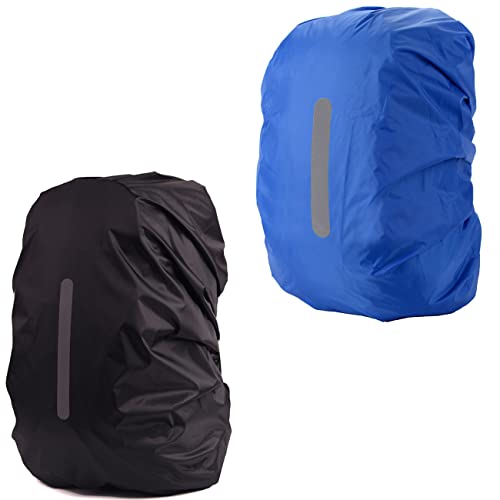
Pros
- Two covers included
- Fits listed 15–25L packs
- Reflective strap
- Compact foldable storage
- Nylon with PU coating
Cons
- Limited to smaller backpacks
- Fit may vary by pack shape
- Rain-resistance figure is manufacturer-stated
Specifications
| Color | 1 Pcs Black + 1 Pcs Blue |
|---|---|
| Size | S (For 15L-25L backpack ) |
| Weight | 0.1984160358 Pounds |
| Product Group | Outdoors |
| Binding | Apparel |
Verify the current product variation before purchase; specifications may change.
Detailed Review
Key features from the product listing:
- Two covers provide one black and one blue option for separate packs or spares.
- Designed for 15–25L backpacks, making it suitable for compact daypacks.
- Nylon construction with external waterproof coating and inner PU coating.
- Manufacturer states rain resistance up to 2,000 mm.
- Reflective strap adds visibility in dim or rainy conditions.
- Folds for storage in a backpack side pocket.
Best For / Avoid If
Best for buyers prioritizing
- Two covers included
- Fits listed 15–25L packs
- Reflective strap
Consider another option if
- Limited to smaller backpacks
- Fit may vary by pack shape
- Rain-resistance figure is manufacturer-stated
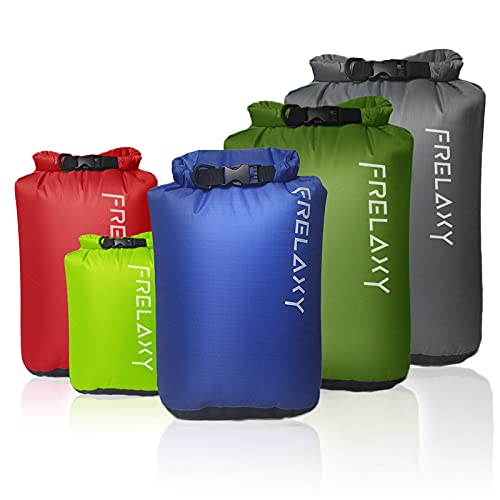
Pros
- Five useful capacities from 3L to 20L
- Lightweight 210T tear-resistant polyester
- Taped seams and roll-top closures
- Color-coded organization
- Rectangular space-efficient bases
Cons
- Not designed for full submersion
- Thin fabric needs careful handling around abrasion
- Five-pack may exceed needs of solo users
Specifications
| Color | 5 Pack - Assorted Colors |
|---|---|
| Size | 3L, 5L, 10L, 15L, 20L |
| Dimensions | 9.4 x 6.3 x 22 inches |
| Weight | 0.6 Pounds |
| Product Group | Sports |
| Binding | Luggage |
Verify the current product variation before purchase; specifications may change.
Detailed Review
Key features from the product listing:
- Five sizes simplify sorting clothing, food, and small camp gear
- Roll-top closures create a secure seal against rain and splashes
- Taped seams help limit water entry during outdoor use
- Ultralight construction adds minimal weight to packs and luggage
- Rectangular bases make packing more space-efficient
- Color-coded bags help identify contents quickly
Choose Load and Pack Capacity Around Your Gear
List shelter, sleep system, food, water, clothing, navigation, and safety items before choosing pack capacity. A pack should hold necessary equipment without forcing gear onto the outside where it can snag, get wet, or shift.
Capacity alone does not determine comfort. Pack fit, torso length, hip belt shape, load distribution, and the packed dimensions of your sleeping bag all affect whether a loaded pack carries well.
Build a Stable Load from Heavy Items
Place dense items close to your back and centered between your shoulders and hips, following your pack maker’s guidance. This keeps weight from pulling backward and can reduce awkward movement on uneven ground.
Keep the load balanced left to right, and avoid leaving large empty gaps that let equipment shift. Fill gaps with soft items such as spare clothing, but do not compress fragile gear or block access to essentials.
Separate Camp Gear from Items Needed on Trail
Store sleeping and shelter equipment deeper in the main compartment if you expect to use them only at camp. Put rain protection, snacks, navigation tools, and first aid where you can reach them without unpacking everything.
Use pockets deliberately and check that closures stay secure while walking. Trekking poles may attach to compatible external loops, but confirm they cannot swing into other hikers or catch vegetation on narrow trails.
Protect Gear from Rain and Condensation
Line the main compartment with a pack liner or use dry bags for items that must stay dry, especially insulation and spare clothing. A pack’s fabric or rain cover may shed some precipitation but should not be treated as a guarantee against prolonged rain.
Keep wet shelter components separate from dry sleep gear when practical. In humid or cold conditions, condensation can dampen equipment even when rain does not enter the pack, so air and dry gear when conditions allow.
Plan Water, Food, and Fuel Safely
Carry water according to route length, temperature, exertion, and confirmed refill opportunities. Water is heavy, so do not assume a map symbol or seasonal stream will provide safe, flowing water; check current local information and bring suitable treatment.
Pack meals in a way that prevents leaks and keeps food accessible during breaks. Follow local food-storage rules, and keep stove fuel secured upright when its container instructions require it; separate fuel from food and items vulnerable to spills.
Fit the Pack and Test It Before Departure
Adjust shoulder straps, hip belt, and load lifters according to the pack’s fit instructions. The hip belt should carry much of the load when designed to do so, while shoulder straps stabilize rather than painfully compress the shoulders.
Walk with the complete load on familiar, low-consequence terrain before the trip. If pressure points, shifting, or difficult access appear, change one packing choice at a time and reassess rather than adding gear to solve discomfort.
Why You Should Trust Us
We base this guide on general backpacking practices and the trip details readers can verify: route, forecast, water access, gear dimensions, and pack-maker fit instructions. Product notes come from the published listings for the pack, rain cover, and dry bags above.
We do not report measured load-carrying results or treat a single packing layout as universal. Pack designs and personal needs differ; use manufacturer instructions and local land-manager guidance where conditions, food storage, or fire restrictions matter.
Final Thoughts
The most dependable packing method starts with essentials, places dense gear close to your back, and protects insulation from moisture. For a first overnight pack, the Teton 55L Scout Internal Frame Backpack lists multi-position torso adjustment, a sleeping bag compartment, compression straps, a hydration pocket, and an included rain cover.
To protect gear in wet weather, the Frelaxy Dry Bag 5 Pack includes roll-top sacks from 3L to 20L for sorting clothing and insulation, though the maker advises against full submersion. The MOPHOEXII Backpack Rain Cover 2 Pack adds an outer layer with reflective strips; as noted above, a rain cover alone may leave areas exposed in wind-driven rain.
For a practical final check, carry the fully loaded pack around before departure and confirm that essentials remain reachable. If fit problems persist after careful adjustment, consult a qualified outdoor retailer or the pack manufacturer instead of accepting pain as normal.
FAQs
How should a backpack sit for an overnight hike?
Follow the pack maker’s fitting instructions and adjust the hip belt, shoulder straps, and load lifters in sequence. Fit depends on pack design and body dimensions, so seek help if adjustment leaves persistent pressure or instability.
What should go at the bottom of an overnight hiking pack?
Items needed only at camp, such as a sleeping bag, often fit low in the main compartment. Keep them protected from moisture and avoid placing hard, dense objects where they create pressure against your back.
Where should heavy items go in a hiking backpack?
Place dense items close to your back and centered, while maintaining left-to-right balance. The ideal vertical position varies with pack design and terrain, so check manufacturer guidance and test the loaded pack.
How do I keep clothes dry inside a backpack?
Use a pack liner or dry bags for insulation and spare clothing, then separate wet gear when possible. Rain covers can help but may leave areas exposed during wind-driven or prolonged rain.
How much water should I carry overnight?
There is no single amount for every route. Consider heat, exertion, distance, and dependable refill points, and carry a treatment method suitable for the water sources you expect to encounter.
Should I attach gear to the outside of my pack?
Attach only gear that fits secure, purpose-built points and cannot swing, snag, or fall. Keep critical equipment protected and avoid overloading exterior loops, which can destabilize the load.
How can I reduce pack discomfort before an overnight hike?
Check fit, balance, strap adjustment, and unnecessary items separately. Test the complete load on an easy walk; persistent pain, numbness, or instability calls for professional fitting advice or equipment changes.
What should I check before leaving on an overnight hike?
Confirm weather, route conditions, water availability, food-storage requirements, and any local restrictions. For younger campers’ broader equipment needs, consult this kids’ camping gear guide, then tailor choices to the actual hike.


