
Cooler ice usually melts faster than expected when heat keeps entering faster than the remaining ice can absorb it. Warm food, direct sun, frequent lid openings, poor packing, and a loose or damaged lid can all contribute.
Start with the simplest checks before replacing your cooler: inspect its seal, chill contents beforehand, reduce unnecessary openings, and keep it shaded. This guide covers practical troubleshooting for car campers and families, with food safety kept separate from ice-life estimates. See our guide to coolers for hot-weather camping for trip-specific comparisons.

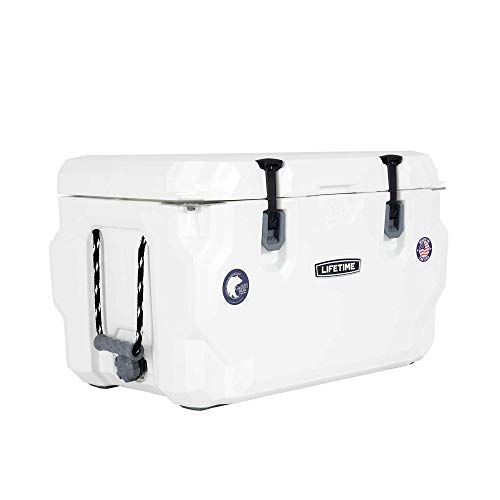
Igloo Polar 120 Qt Hard Cooler with UV Protection
Pros
- Holds 188 cans
- Lightweight for a 120-quart cooler
- UV-inhibited lid resists sun damage
- Stain- and odor-resistant liner
- Threaded drain plug for hose hookup
Cons
- Lid feels light and less rigid
- Ice retention trails premium rotomolded coolers
- No wheels for this large size
Specifications
| Brand Name | Igloo |
|---|---|
| Included Components | Cooler |
| Recommended Uses For Product | Camping |
| Model Name | Polar-Igloo |
| Team Name | Igloo |
| League Name | NCAA |
| UPC | 034223445775 |
| Number of Items | 1 |
| Global Trade Identification Number | 00034223445775 |
| Unit Count | 1 Count |
Verify the current product variation before purchase; specifications may change.
Detailed Review
Key features from the product listing:
- UV-inhibited lid resists sun damage and helps prevent the plastic from becoming brittle after long days outdoors.
- Stain- and odor-resistant liner wipes clean easily, so fish, marinades, or spilled drinks don't leave a lasting smell.
- Threaded drain plug connects to a standard garden hose for quick, controlled draining and cleanup.
- Reinforced swing-up handles with tie-down loops make it easier to lift, carry, and strap down in a truck or boat.
- Dual snap-fit latches secure the lid, and the snap-lock child safety latch adds peace of mind around kids.
- Lightweight construction for a 120-quart cooler, so you can move it when full without needing a second person.
Best For / Avoid If
Best for buyers prioritizing
- Holds 188 cans
- Lightweight for a 120-quart cooler
- UV-inhibited lid resists sun damage
Consider another option if
- Lid feels light and less rigid
- Ice retention trails premium rotomolded coolers
- No wheels for this large size
Pros
- Large cooler coverage
- Nylon-reinforced construction
- Reusable water-filled design
- May reduce loose ice
- Long claimed cold duration
Cons
- Requires initial water filling
- Needs a long freeze cycle
- Too large for compact coolers
Specifications
| Color | Gray |
|---|---|
| Size | 14"x10"x1.5" |
| Dimensions | 10 x 14 x 1.5 inches |
| Weight | 1.01 Pounds |
| Product Group | Outdoors |
| Binding | Kitchen |
Verify the current product variation before purchase; specifications may change.
Detailed Review
Key features from the product listing:
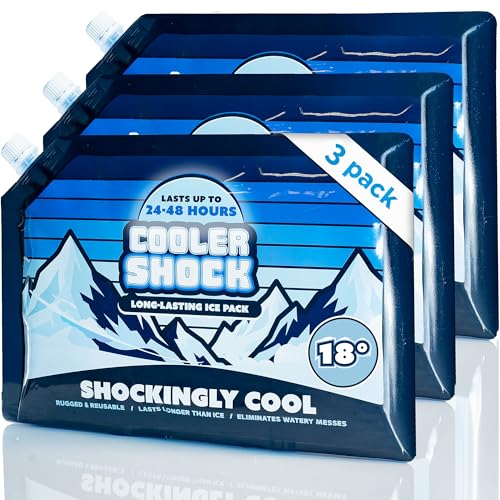
- Designed for large camping coolers and XL insulated totes
- Manufacturer claims up to 48 hours of cold in matched coolers
- May replace 5 to 6 pounds of traditional ice
- Nylon-reinforced construction supports repeated reuse
- Fill once with water, then freeze and reuse
- 18°F phase change point supports low-temperature cooling
Best For / Avoid If
Best for buyers prioritizing
- Large cooler coverage
- Nylon-reinforced construction
- Reusable water-filled design
Consider another option if
- Requires initial water filling
- Needs a long freeze cycle
- Too large for compact coolers

Pros
- Flexible segmented design
- Four-pack cooling capacity
- Adjustable non-slip elastic strap
- Compact lunch-bag profile
- Easy wipe-clean surface
Cons
- Requires soaking before first use
- Four-hour initial freezing time
- Cooling duration varies with insulation
Specifications
| Color | Blue Green |
|---|---|
| Size | 7*4.5*0.05 |
| Weight | 0.1212542441 Pounds |
| Product Group | Outdoors |
Verify the current product variation before purchase; specifications may change.
Detailed Review
Key features from the product listing:
- Four reusable packs provide flexible cooling for lunches, drinks, groceries, and camping
- Segmented construction bends around bottles and containers more easily than solid blocks
- Slim profile helps conserve space in lunch bags and cooler bags
- Elastic strap secures a pack around bottles, containers, or body areas
- Soak for 3 to 5 minutes, then freeze for 4 hours before use
- BPA-free, non-toxic materials wipe clean for regular daily use
Best For / Avoid If
Best for buyers prioritizing
- Flexible segmented design
- Four-pack cooling capacity
- Adjustable non-slip elastic strap
Consider another option if
- Requires soaking before first use
- Four-hour initial freezing time
- Cooling duration varies with insulation
Check the Cooler Lid and Insulation
A cooler slows heat transfer; it does not stop it. A lid that does not close flat, a cracked hinge, damaged gasket, or compromised insulation can let heat move inside more quickly.
Close the empty cooler and inspect the lid all the way around. Remove grit from the rim, check for visible gaps, and look for cracks or soft spots. If the lid rocks or will not latch properly, compare repair options with the manufacturer before buying another cooler.
Reduce Warm Contents and Empty Space
Food and drinks loaded warm use ice to cool down, leaving less capacity for keeping already-cold items cold. Refrigerate perishables and drinks before packing; do not rely on a cooler to chill a large supply from room temperature.
Pack tightly enough to limit large air spaces, but keep the lid able to close fully. A small, well-packed cooler can hold temperature more consistently than an oversized one with a few items. Separate frequently used drinks into another cooler if repeated access disrupts food storage.
Protect the Cooler from Sun and Hot Surfaces
Direct sunlight warms the cooler’s exterior, while hot pavement, a sun-baked vehicle, or a warm campsite surface adds heat from below. Put the cooler in shade when available and avoid leaving it in a parked vehicle for extended periods.
Shade moves as the sun changes, so check the cooler’s position during the day. Keep ventilation around the cooler rather than wrapping it in material that traps heat. In hot weather, a shaded location and a reflective cover that does not block airflow may help reduce solar heating, but neither replaces safe cold storage.
Limit Lid Openings and Plan Access
Every opening exchanges some cold interior air for warmer outside air. Repeated, lengthy searches make that exchange worse, especially when the cooler sits in a hot location or holds little ice.
Group meal items, label containers, and decide what you need before lifting the lid. Put items used throughout the day near the top, and keep raw meat sealed and separated from ready-to-eat food. A dedicated drink cooler can help a group avoid opening the food cooler for every beverage.
Choose Ice Type and Pack It Deliberately
Large blocks have less exposed surface area than the same amount of small cubes, so they can melt more slowly under comparable conditions. Cubes are easier to distribute around irregular packages and can cool contents quickly, but they may disappear sooner.
Use a mix when your trip needs both close contact and longer-lasting cold: blocks for reserve cooling, cubes or smaller pieces to fill gaps. Drain water only if it is interfering with food storage or packaging; cold meltwater can help keep items surrounded by cold, but exposed food must remain sealed and hygienic.
Match Cooler Size and Trip Length to Your Needs
A cooler’s stated capacity does not tell you how long ice will last in your exact conditions. Duration depends on starting temperatures, insulation, ice quantity, ambient heat, sun exposure, opening frequency, and how efficiently the cooler is packed.
For a multi-day outing, plan an ice resupply or backup cold-storage option rather than treating a published retention claim as a guarantee. If you need powered cooling, compare power needs and usable capacity in our electric cooler guide. For conventional models, our cooler guide for longer camping trips addresses a different trip-length requirement.
Why You Should Trust Us
We base this troubleshooting guide on established heat-transfer principles and the published product information for the cooler and ice packs listed above. We do not have independent ice-retention measurements, so retention figures quoted in listings are treated as manufacturer claims.
That distinction matters: a listing claim about hours of cold reflects the maker’s conditions, not yours. Starting temperature, sun, ice quantity, and how often the lid opens will change the result.
Final Thoughts
For most campers, begin with cold contents, a fully closing lid, shade, fewer openings, and a packing plan. These steps address common heat sources before you spend money on a replacement cooler or powered system.
If your current cooler is damaged, the Igloo Hard Cooler lists dual snap-fit latches, a threaded drain plug, and UV inhibitors in the lid, which address the lid closure and sun exposure issues covered above. To reduce how much loose ice you need, Cooler Shock Reusable Ice Packs list a 10 by 14 inch size and an 18°F phase change point, and the maker states each pack can replace 5 to 6 lb of ice. For small coolers and lunch bags, the 4 Pack Slim Reusable Ice Packs are segmented and flexible, with a listed cooling time of 4 to 6+ hours that varies with conditions.
Choose cooler equipment based on trip length, group size, available ice or power, and realistic resupply options. Compare conventional choices in our camping cooler guide for tighter budgets, but verify fit and care details with the manufacturer before purchase.
FAQs
Why does cooler ice melt quickly even when the lid stays closed?
Heat can still enter through the walls, base, lid, or damaged seals. Warm contents, direct sun, a hot vehicle, and insufficient ice can also shorten ice life without frequent openings.
Does draining melted water make ice last longer?
Not in every situation. Cold water can help surround sealed items, while draining may be useful when water threatens packaging or dry goods. Keep food sealed and follow safe handling practices.
Should I pre-chill a cooler before packing?
Pre-chilling can reduce the heat the cooler and its contents draw from your ice. Use ice or cold packs for pre-chilling, then remove them if needed and load already-cold food and drinks.
Are ice blocks better than cubes in a cooler?
Blocks generally expose less surface area and may last longer, while cubes fit around items and provide more contact. A combination can balance longer-lasting reserve ice with flexible packing.
Do reusable ice packs last longer than ice?
It depends on the pack, the cooler, and conditions. Phase-change packs such as the Cooler Shock model are designed to freeze below 32°F, according to the maker, while loose ice fills gaps around food better. Many campers use both.
How can I tell if a cooler lid is leaking heat?
Inspect the rim, latch, hinge, and gasket for visible gaps, damage, or debris. A lid that sits unevenly or does not latch may need cleaning, adjustment, or manufacturer-approved repair.
How do I keep food safe when cooler ice melts?
Keep perishables cold in a properly managed cooler, use a food thermometer when appropriate, and follow current food-safety guidance for storage and discard decisions. Ice remaining in the cooler does not by itself prove food stayed at a safe temperature.
Will a cooler cover stop ice from melting?
No cover stops heat transfer. A suitable cover may reduce direct solar exposure, but shade, pre-chilled contents, sound insulation, and limited openings still matter.