

Pitch a Tent on Sandy Ground
Pitching on sand takes wide, secure anchors and careful site selection. Learn how to position your tent, set guy lines, and check the pitch as conditions change.
We independently review everything we recommend. When you buy through our links, we may earn a commission. As an Amazon Associate we earn from qualifying purchases.

788 articles published
Pitching on sand takes wide, secure anchors and careful site selection. Learn how to position your tent, set guy lines, and check the pitch as conditions change.

Estimate campsite solar charging time from battery capacity, panel output, sunlight, and charging losses. Use real-time input readings to adjust your plan when shade or clouds reduce output.

Keep the rainfly centered, properly tensioned, and supported by correctly assembled poles so it does not sag against the inner tent. Check clearances after pitching and again if rain, wind, or shifting ground loosens the setup.
Portion camp food by meal, camper, and trip length to pack enough without carrying excess. Use a menu, measured servings, and safe storage for ingredients that need refrigeration.
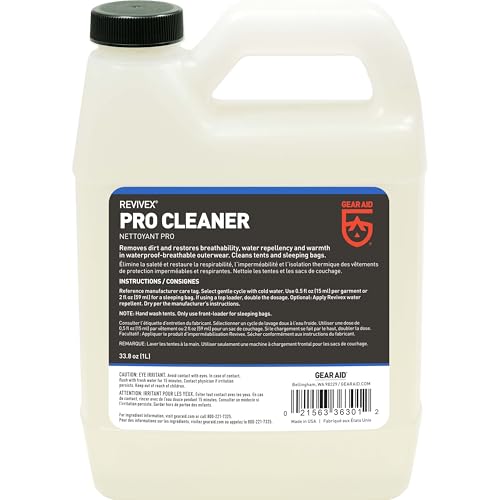
A stored tent usually smells because moisture, dirt, body oils, or mildew stayed in its fabric or stuff sack. Find the odor source, clean materials safely, and dry the tent completely before packing it away.
Remove loose soot outdoors, then wash the pot with warm water and dish soap using a nonabrasive sponge. Choose cleaning tools for your pot’s material, and keep soot away from food, water sources, and tent interiors.
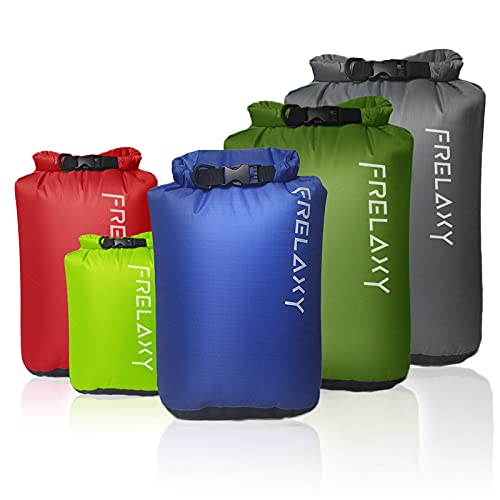
Keep a wet tent from soaking your backpack by containing it in a separate waterproof bag or pack liner. Drain and shake off excess water first, then dry the tent fully as soon as conditions allow.
Cot squeaks usually come from moving joints, loose connections, fabric rubbing, or an uneven setup. Find the sound source first, then clean, adjust, or lubricate only parts allowed by the cot’s manual.
Keep mud away from your tent entrance by choosing a dry, well-drained spot and setting up a clean transition zone. Use a ground-level mat, manage wet footwear outside the sleeping area, and clean mud without damaging tent fabric.

A sleeping bag’s temperature rating does not guarantee comfort at that temperature; your pad, clothing, fit, moisture, and personal cold sensitivity all affect warmth. Check your sleep system and campsite conditions before assuming the bag itself is the problem.