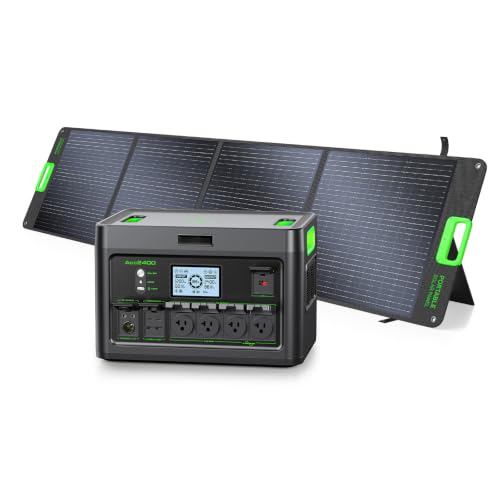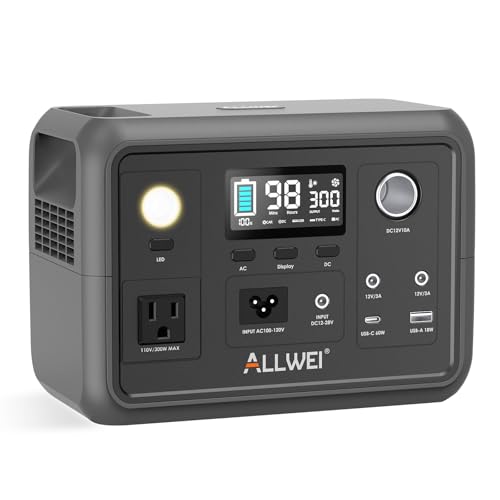

Car campers choosing the best 100w portable solar panel for a small power station under $220 need to check panel output, connector compatibility, and what their station can accept. The available options include a 200W Renogy panel and a ZeroKor power station bundled with a 60W panel, so neither is a standalone 100W panel.
This guide for November 2026 explains those differences and helps match each setup to realistic camp charging needs. For a lower-output alternative, see our guide to portable solar panels under $100.

Pros
- USB-C PD 45W and dual USB-A
- 13.89-pound folding design
- Three kickstand angle options
- Reinforced grommets for additional positioning options
Cons
- 4-in-1 adapter sold separately
- Power-station compatibility depends on connection requirements
- 13.89 pounds may be heavy for backpacking
Specifications
| Color | Black |
|---|---|
| Size | 200W |
| Dimensions | 23.72 x 1.97 x 22.99 inches |
| Weight | 13.89 pounds |
| Product Group | Lawn & Patio |
| Binding | Tools & Home Improvement |
Verify the current product variation before purchase; specifications may change.
Detailed Review
Key features from the product listing:
- 200W rated output suits campsite and RV power setups
- USB-C PD 45W and two USB-A ports charge devices directly
- Folds to 23.72 x 22.99 x 1.97 inches for storage
- Four kickstands offer 40°, 50°, and 60° positioning options
- Magnetic closure and accessory pouch help keep setup components together
- MC4 output supports compatible power stations; check connection requirements first
Best For / Avoid If
Best for buyers prioritizing
- USB-C PD 45W and dual USB-A
- 13.89-pound folding design
- Three kickstand angle options
Consider another option if
- 4-in-1 adapter sold separately
- Power-station compatibility depends on connection requirements
- 13.89 pounds may be heavy for backpacking

Pros
- Lightweight and compact
- High-efficiency solar panel included
- Multiple charging ports
- Built-in safety protections
- Versatile recharge options
Cons
- No USB-C output port
- Slow wall charging
- Not for high-power appliances
Specifications
| Wattage | 300 watts |
|---|---|
| Fuel Type | Electric |
| Power Source | Battery-Powered, Solar Powered(Portable Power Station with 60W Solar Panel), AC/DC(9V-12.6V max) |
| Voltage | 110 volts_of_alternating_current |
| Output Wattage | 300 |
| Additional Features | 300W Max Portable Solar Generator(Solar panels included), Overload Protection, Portable Power/Portable Solar Generator/Home Solar Generator with Panels included, Portable Solar Power Station/Solar Powered Generator, Short Circuit Protection |
| Engine Type | 4 Stroke |
| Ignition System Type | Compression |
| Total Power Outlets | 2 |
| Current Rating | 2.4 A |
Verify the current product variation before purchase; specifications may change.
Detailed Review
Key features from the product listing:
- Includes 60W monocrystalline solar panel with 20.5% conversion efficiency for faster charging in low light.
- Multiple output ports: 2 AC outlets, 1 DC port, 3 USB-A, and 1 quick-charge USB for versatile device charging.
- Built-in BMS with short circuit, over-voltage, and overload protection, plus a cooling fan for safe operation.
- Weighs about 5 lbs with a compact 8.5x6.7x4.1-inch footprint, easy to pack for camping or travel.
- SOS flashlight with reading and emergency modes adds utility for outdoor and emergency use.
- Can be recharged via wall outlet, carport, or solar panel for flexible power management.
Best For / Avoid If
Best for buyers prioritizing
- Lightweight and compact
- High-efficiency solar panel included
- Multiple charging ports
Consider another option if
- No USB-C output port
- Slow wall charging
- Not for high-power appliances
Match panel output to your actual need
A 100W panel can be a practical middle ground for car camping, but the listed Renogy panel is rated at 200W, while the ZeroKor bundle includes a 60W panel. Those ratings describe different classes of equipment, not guaranteed energy delivered to a battery in every campsite condition.
Cloud cover, panel angle, shade, and the power station’s input limits affect charging. Choose the Renogy when a higher-rated panel fits your station and trip, or the ZeroKor bundle when an included station and smaller panel suit your workload.
Check connector and input compatibility
The Renogy listing specifies MC4 output and says its 4-in-1 adapter is sold separately. Before buying, check your power station manual for supported solar input, connector type, voltage range, and maximum input; a matching plug alone does not confirm compatibility.
ZeroKor lists a DC5521 solar input range of 13V to 23V and says the station has built-in MPPT. Its included 60W panel is described as compatible with the bundle, but the listing does not provide enough detail to confirm compatibility with other stations.
Consider whether you need a panel or a complete power kit
Renogy is the clearer fit for buyers who already own a compatible power station and want a separate panel. It also provides USB-C PD rated at 45W and dual USB-A ports for direct device charging, according to the published product details.
ZeroKor combines a 280Wh lithium-ion station with a 60W panel, AC outlets, USB ports, a DC port, and a flashlight. This is a different purchase from a standalone 100W panel, and its 300W maximum AC output limits which appliances it can run.
Balance folding size against panel capacity
Renogy lists a folded size of 23.72 by 22.99 by 1.97 inches and a weight of 13.89 pounds. That can work for vehicle-based trips where storage space matters, but the published weight makes it less suited to carrying far from a parked vehicle.
The ZeroKor panel is described as foldable, but published details do not state its dimensions or weight. Do not assume it packs smaller or carries more easily than Renogy; compare the current product manual and package information if storage space is decisive.
Account for weather exposure and campsite safety
Renogy lists four kickstands, reinforced grommets, and several positioning angles. These features can help with placement, but they do not establish a wind rating or make the panel suitable for unattended exposure in changing weather.
ZeroKor states that its panel junction box is not waterproof and should be kept dry. Keep electrical connections protected from rain and standing water, secure panels against gusts, and follow each device manual rather than treating either setup as weatherproof.
Compare documented value, not headline wattage alone
Renogy’s listed 25% cell efficiency and 200W rating are manufacturer-provided specifications, not a promise of a particular charging rate at camp. Its MC4-only output may also require a separately purchased adapter for some stations, adding a compatibility and ownership consideration.
ZeroKor’s package adds a power station and multiple output types, but the included panel is rated at 60W. Its product information advises against loads above 300W and identifies appliances such as coffee makers, hair dryers, and water pumps as unsuitable examples.
Why You Should Trust Us
We compare the published product specifications, stated features, and limitations against the needs of car campers and small-power-station owners. We distinguish manufacturer claims, such as Renogy’s efficiency figure, from practical conclusions about fit, portability, and compatibility.
Available information does not establish real-world charging output, complete adapter compatibility, or long-term durability. Confirm current manuals and station input requirements before purchase, especially when connecting a panel from one brand to a power station from another.
Final Thoughts
For buyers with a compatible station who want more panel capacity, Renogy 200W Portable Solar Panel for Power is the strongest overall fit among these listings. Its folded dimensions, kickstands, and direct USB charging add flexibility, but buyers should account for its 13.89-pound weight and separately sold adapter; skip it if you specifically need a 100W panel or cannot verify MC4 compatibility.
Portable Solar Generator 300W Portable Power is the more complete value-style option for someone who needs both a small station and a panel in one bundle. Its 60W panel does not meet a 100W panel target, and its 280Wh capacity and 300W AC ceiling limit heavier workloads; skip it if you already own a station or need to run high-draw appliances.
For a narrow use case, ZeroKor suits car campers charging small electronics who value included AC and USB outputs, while Renogy suits owners seeking a higher-rated separate panel. Neither is a direct match for a buyer set on a standalone 100W panel, so compare compatible options in our Power and Lighting category and USB-C camping lantern guide.
FAQs
Is either option a 100W portable solar panel?
No. Renogy is listed as a 200W panel, and the ZeroKor bundle includes a 60W panel. Buyers who require exactly 100W should seek a different panel and verify its output and connector against their station.
Can the Renogy panel charge any power station?
No universal compatibility is established by the listing information. Renogy specifies MC4 output, and buyers must check station input limits, voltage requirements, and connector needs before connecting it.
Does the Renogy panel include the adapter for every station?
No. The listing says the 4-in-1 adapter is sold separately. Confirm which cable or adapter your particular station requires and whether that station accepts the panel’s electrical input.
Can the ZeroKor station run a coffee maker?
The published product details warn against devices above its 300W maximum and specifically list coffee makers among examples to avoid. Check appliance startup and running requirements, and follow the station manual.
Can either panel charge devices directly?
Renogy lists USB-C PD rated at 45W and two USB-A ports. The ZeroKor panel lists USB-A and USB-C outputs, while the station itself provides additional charging ports.
Is the ZeroKor solar panel waterproof?
The published details say its junction box is not waterproof and should stay dry. Protect connections from rain and moisture, and do not assume the panel or power station is safe for wet-weather exposure.
Is the Renogy panel practical for backpacking?
Its listed weight is 13.89 pounds, so it is more naturally suited to car camping, RV use, or a campsite near a vehicle than carrying on a backpacking trip.
How should I choose the best 100w portable solar panel for a small power station under $220 in 2026?
Start with your station’s solar input limits and connector, then consider packed size, panel rating, and whether you need a panel alone or a complete power kit. Our portable solar panel guide offers another comparison point, but verify specifications against your own station manual.