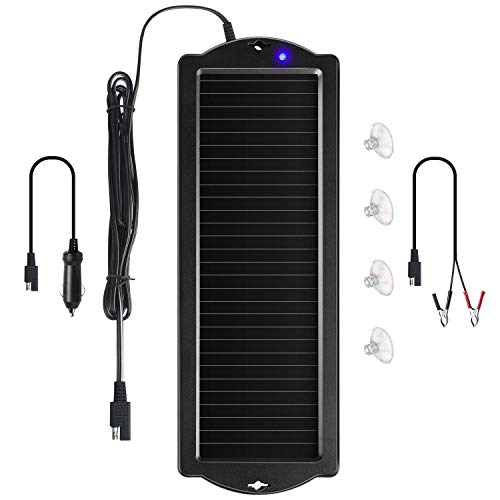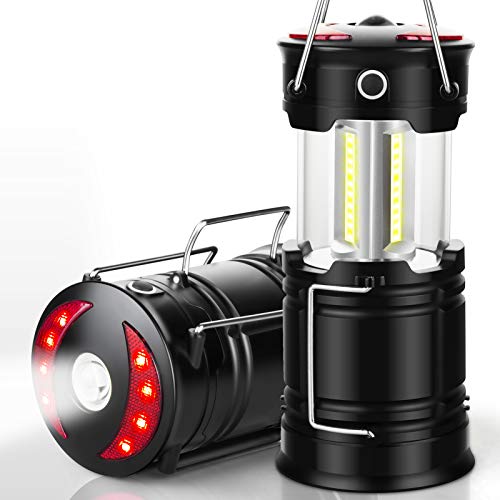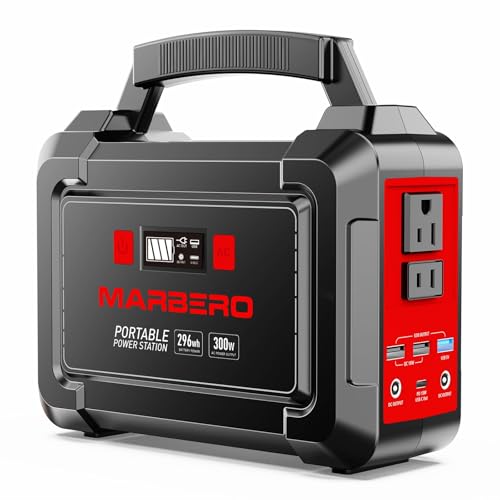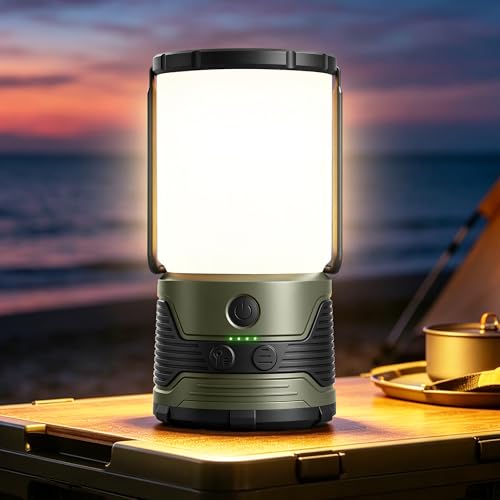

Reliable camp power keeps communication gear active, powers portable refrigeration, and simplifies basecamp lighting far from utility lines. Investing in a capable system eliminates the noise and exhaust of conventional fuel units while protecting delicate outdoor environments.
To help you choose the best solar generator for camping in September 2026, we assessed 10 leading units across weight, solar recharging performance, and battery safety. The right setup depends entirely on your power budget, vehicle space, and trip duration.
Pros
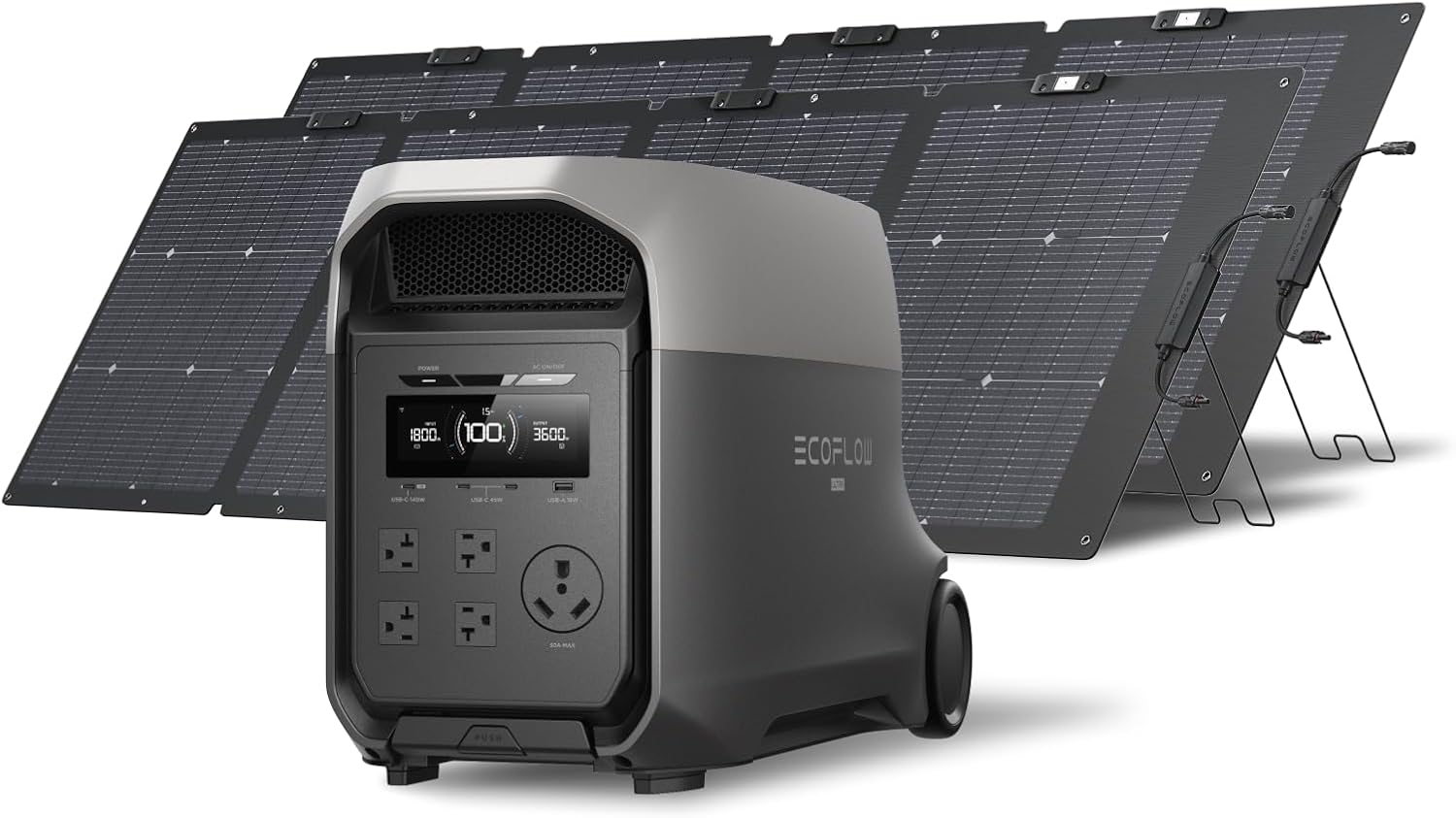
- High 3600W output with 7200W surge
- Very quiet at 25dB under load
- Fast <10ms UPS backup
- Four charging methods
- Durable LiFePO4 battery with 5-year warranty
Cons
- Solar panels need adapter for dual hookup
- XT60i cable only 6 feet long
- Expensive for the segment
Specifications
| Other Special Features of the Product | Portable |
|---|---|
| Power Source | Solar Powered |
| Output Wattage | 3600 |
| Number of Outlets | 6 |
| Antenna Location | Camping, Commercial, Residential |
| Item Dimensions | 24.6 x 12.9 x 15.6 inches |
| Brand | EF ECOFLOW |
| Model Name | DELTA 3 Ultra with 2x220W Solar Panels |
| Model Number | EF-DL-H01-3U |
| UPC | 842783192134 |
Verify the current product variation before purchase; specifications may change.
Detailed Review
What stands out in the currently available product data:
- Delivers 3600W continuous power (7200W surge) to run refrigerators, microwaves, heaters, and power tools
- Ultra-quiet operation at just 25dB under load, ideal for overnight use in RVs or apartments
- Under 10ms UPS switchover for uninterrupted backup of sensitive devices like PCs and Wi-Fi routers
- Four fast charging options: wall outlet, solar panels, car input, or EcoFlow Smart Generator with X-Stream technology
- Built with a durable LiFePO4 battery and EV-grade CTC structure for 10 years of daily use and extreme-weather resistance
- Includes two 220W solar panels that are portable and foldable with carrying cases for easy travel and storage

Pros
- Ultra-fast AC recharge under 1 hour
- Long-lasting LiFePO4 battery, 10-year life
- Compact size, 15% smaller than rivals
- 2400W SurgePad handles most appliances
- App control for charging and monitoring
Cons
- Heavy at 28.44 lb, not ultra-portable
- No simultaneous AC and DC charging
- Solar recharge requires 1.8 hours full
Specifications
| Wattage | 1800 watts |
|---|---|
| Fuel Type | Solar |
| Power Source | Solar Powered, Battery Powered |
| Recommended Uses For Product | Camping |
| Voltage | 230 volts_of_alternating_current |
| Output Wattage | 1800 |
| Additional Features | Portable |
| Engine Type | 4 Stroke |
| Ignition System Type | Electronic |
| Total Power Outlets | 11 |
Verify the current product variation before purchase; specifications may change.
Detailed Review
What stands out in the currently available product data:
- UltraFast AC recharging reaches 80% in 43 minutes and full charge in 58 minutes, minimizing downtime during outages or trips
- LiFePO4 battery with 3000 cycles delivers a 10-year lifespan, reducing replacement frequency and long-term cost
- 1800W continuous output with 2400W SurgePad supports 99% of common appliances, from refrigerators to power tools
- 600W solar input allows full recharge in 1.8 hours with compatible panels, enabling off-grid independence
- 11 versatile ports including AC, USB, and car outlet provide simultaneous power for multiple devices
- 15% smaller than comparable 1kWh units at 14.8 x 8.07 x 10.5 inches, easy to store in a vehicle or closet
Best For / Avoid If
Best for buyers prioritizing
- Ultra-fast AC recharge under 1 hour
- Long-lasting LiFePO4 battery, 10-year life
- Compact size, 15% smaller than rivals
Consider another option if
- Heavy at 28.44 lb, not ultra-portable
- No simultaneous AC and DC charging
- Solar recharge requires 1.8 hours full
Pros
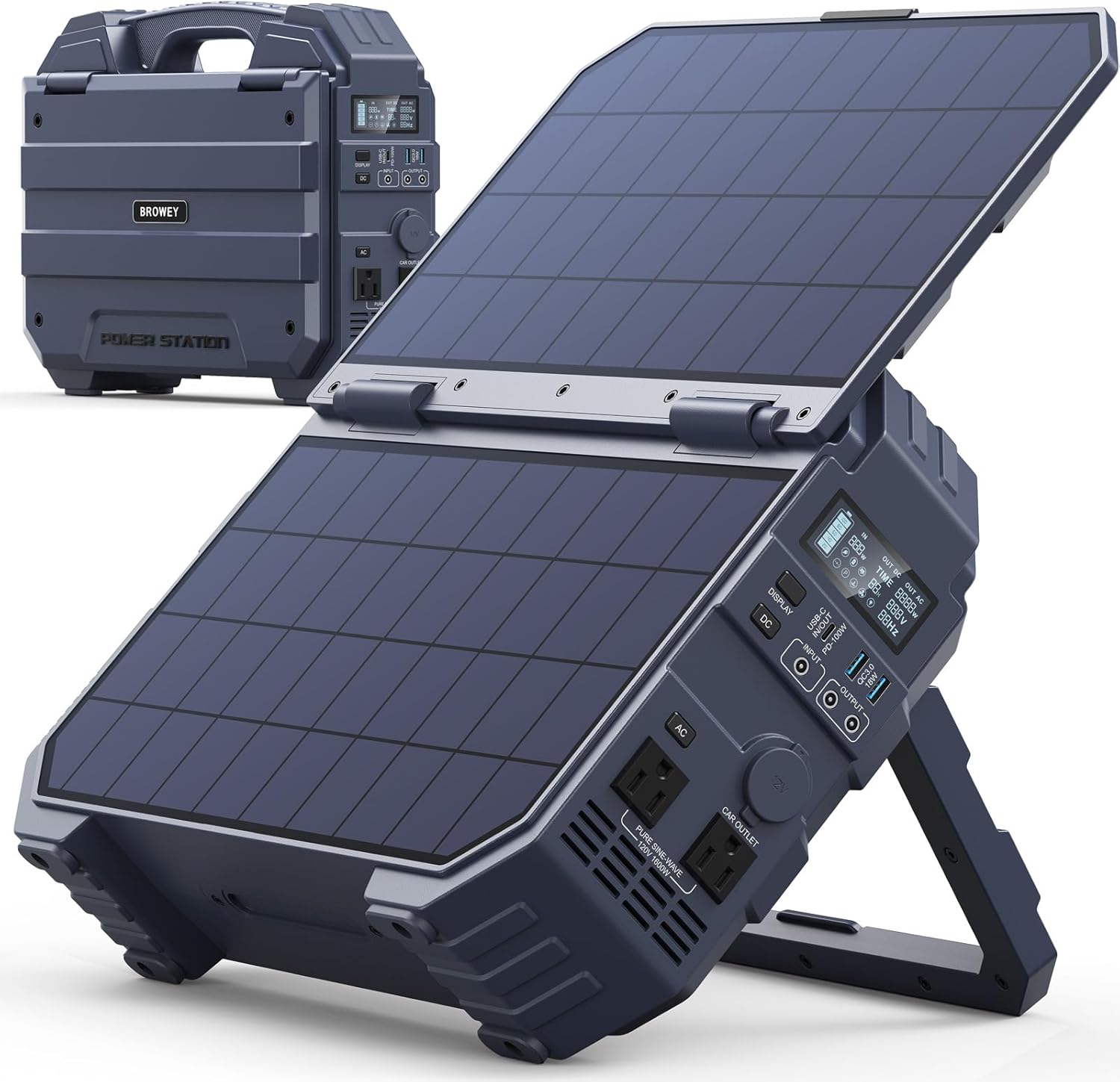
- Long-lasting LiFePO4 battery
- Built-in solar panel for emergencies
- Fast 3-hour 80% recharge
- High 1600W output capacity
- Versatile 8-port connectivity
Cons
- Solar output limited by conditions
- Heavy for backpacking trips
- Manual lacks power-off instructions
Specifications
| Battery Capacity | 320000 milliamp_hours |
|---|---|
| Other Special Features of the Product | Portable, 1600W, 1024Wh, Built-In 40W Solar Panel, Digital Display, Fast Charging, LiFePO4 Battery |
| Voltage | 230 volts |
| Power Source | Battery Powered, Solar Powered |
| Compatible Devices | Almost all smart devices |
| Output Wattage | 1600 watts |
| Number of Outlets | 8 |
| Color | Dark Blue |
| Battery Cell Type | Lithium Polymer |
| Item Weight | 26.5 pounds |
Verify the current product variation before purchase; specifications may change.
Detailed Review
What stands out in the currently available product data:
- Built-in 40W solar panel with MPPT controller for faster charging and device use while collecting sunlight
- 1024Wh LiFePO4 battery with 3000+ cycles to 80% capacity, lasting 10+ years
- 1600W pure sine wave output with 3200W peak, capable of running refrigerators, CPAPs, and power tools
- 8 ports including AC, DC, and 100W USB-C PD, ensuring versatile device compatibility
- Recharges to 80% in 3 hours via AC and USB-C simultaneously, with additional car and solar options
- Advanced BMS protects against overvoltage, overheating, and short circuits for safe operation
Best For / Avoid If
Best for buyers prioritizing
- Long-lasting LiFePO4 battery
- Built-in solar panel for emergencies
- Fast 3-hour 80% recharge
Consider another option if
- Solar output limited by conditions
- Heavy for backpacking trips
- Manual lacks power-off instructions

Pros
- Lightweight and compact
- Fast AC charging
- Quiet and fume-free
- Long-lasting LiFePO4 battery
- 20ms UPS switch
Cons
- Expensive for the segment
- Not expandable with extra batteries
- Solar panels ship separately
Specifications
| Connector Type | Usb |
|---|---|
| Battery Capacity | 45600 milliamp_hours |
| Other Special Features of the Product | Cell to Body Technology, Fast Charging, UPS Power Supply |
| Voltage | 120 volts_of_alternating_current |
| Power Source | Battery-Powered |
| Amperage | 3.2 A |
| Number of Ports | 7 |
| Output Current | 18.3 A |
| Rapid Charging Performance | 80% in 66 minutes |
| Battery Charge Time | 1.7 hours |
Verify the current product variation before purchase; specifications may change.
Detailed Review
What stands out in the currently available product data:
- Smallest and lightest 2kWh power station at 39.5 lbs, 41% lighter than conventional models
- 2200W continuous AC output powers refrigerators, microwaves, and coffee makers
- 2042Wh capacity with LiFePO4 battery lasts up to 10 years with 3000+ cycles
- 20ms UPS switch for seamless backup during power outages
- AC fast charging to 80% in 66 minutes; full charge in 1.7 hours
- Solar charging with included 2x200W panels reaches full in ~6 hours
Best For / Avoid If
Best for buyers prioritizing
- Lightweight and compact
- Fast AC charging
- Quiet and fume-free
Consider another option if
- Expensive for the segment
- Not expandable with extra batteries
- Solar panels ship separately

Pros
- Fast X-Stream charging
- Expandable to 25kWh
- High 3600W output
- Smart app control
- Quiet and fume-free
Cons
- Heavy at 99 pounds
- Expensive for the segment
- Large footprint for storage
Specifications
| Wattage | 3600 watt-hours |
|---|---|
| Fuel Type | Non-gasoline |
| Power Source | Battery Powered |
| Recommended Uses For Product | Commercial/Residential, Outdoor Use |
| Voltage | 120 volts |
| Output Wattage | 4500 |
| Additional Features | APP Smart Control, Expandable Capacity, X-BOOST Technology, X-STREAM Fasting Charging |
| Engine Type | 4 Stroke |
| Ignition System Type | electric |
| Total Power Outlets | 15 |
Verify the current product variation before purchase; specifications may change.
Detailed Review
What stands out in the currently available product data:
- Fast recharge in 2.7 hours with standard wall outlets or 1.8 hours with 240V
- Expandable capacity from 3.6kWh to 25kWh with extra batteries for extended use
- Powers 99.99% of heavy-duty devices with 3600W output, surge up to 7200W
- 15 output methods including multiple AC outlets, USB-C, and car port for versatility
- Smart app control via Wi-Fi or Bluetooth for remote monitoring and customization
- 5 charging options: solar, wall, car, EV station, or smart generator for flexibility

Pros
- Compact and lightweight at 14.6 lbs
- LiFePO4 battery for safety and long life
- Built-in jump starter for vehicles
- Expandable capacity for extended use
- Multiple port options for diverse devices
Cons
- Limited 299Wh capacity for high-power appliances
- No included solar panel for recharging
- Jumper cables sold separately
Specifications
| Wattage | 600 watts |
|---|---|
| Fuel Type | Electric |
| Power Source | Battery Powered |
| Recommended Uses For Product | Camping, Residential |
| Voltage | 230 volts |
| Output Wattage | 600 |
| Additional Features | Able to power devices up to 1200W, Capable of jump starting numerous 12V vehicles, Durable LiFePO4 battery, Expandable to 939Wh, LED light with 5 modes |
| Engine Type | 4 Stroke |
| Total Power Outlets | 9 |
| Current Rating | 5 A |
Verify the current product variation before purchase; specifications may change.
Detailed Review
What stands out in the currently available product data:
- Built-in car jump starter for 12V vehicles, saving the need for a separate device
- 299Wh LiFePO4 battery with 3,000 life cycles for long-term durability
- Expandable capacity to 939Wh with an optional extra battery for extended trips
- 600W constant AC power with 1200W surge, capable of running appliances like space heaters
- Charges up to nine devices simultaneously via multiple ports, including a 60W USB-C
- Regulated 12V DC output for powering car refrigerators, CPAP machines, and tire inflators
Best For / Avoid If
Best for buyers prioritizing
- Compact and lightweight at 14.6 lbs
- LiFePO4 battery for safety and long life
- Built-in jump starter for vehicles
Consider another option if
- Limited 299Wh capacity for high-power appliances
- No included solar panel for recharging
- Jumper cables sold separately
Pros
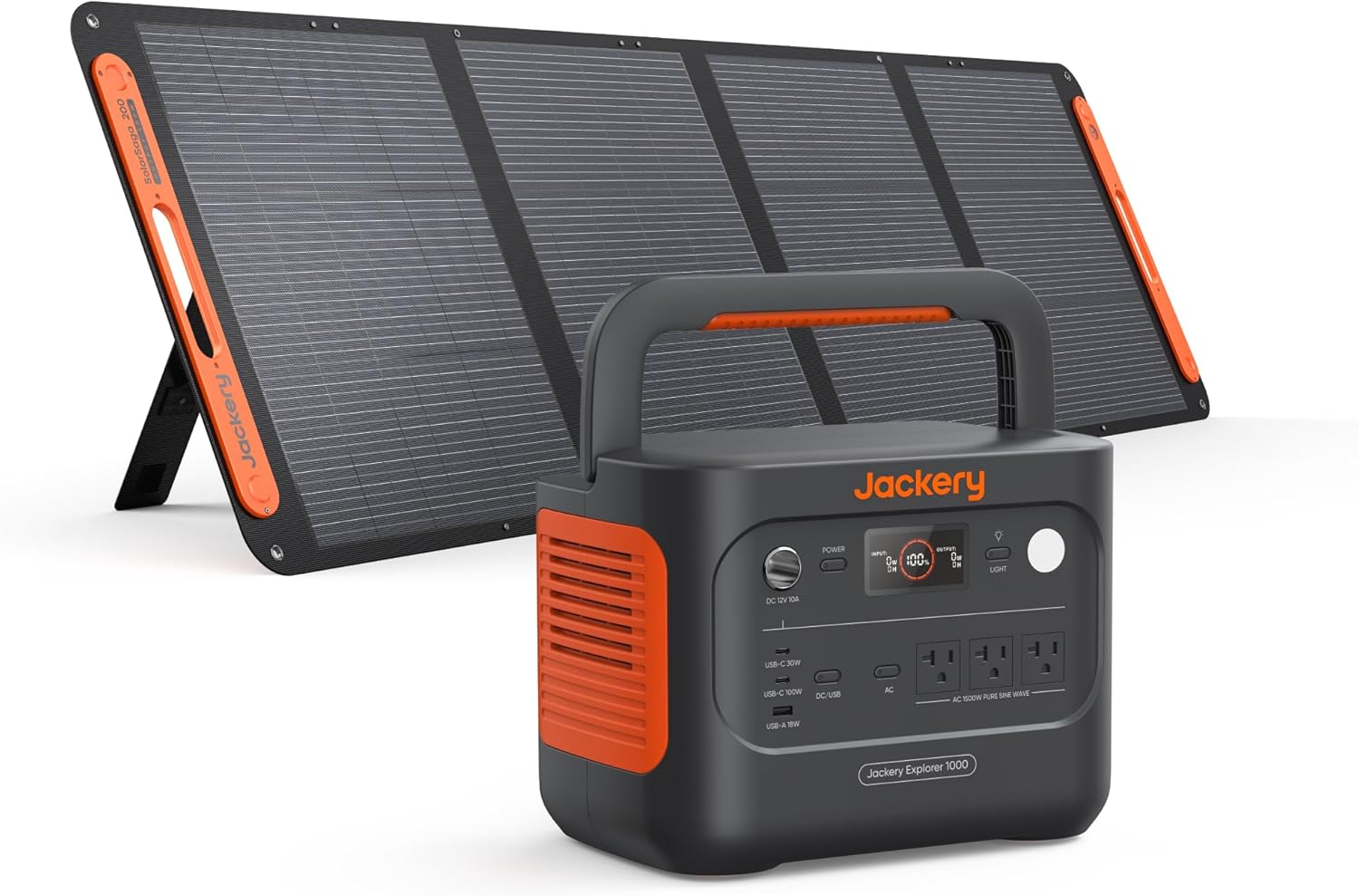
- Lightweight and portable at 23.8 lbs
- Long battery life with 4000+ cycles
- Fast 1-hour emergency charging
- 100W USB-C output for quick device charging
- Smart app control for custom modes
Cons
- Proprietary solar cable hard to replace
- 1-hour fast charge requires app activation each time
- Panel and station ship separately
Specifications
| Wattage | 1500 watts |
|---|---|
| Fuel Type | Electric |
| Power Source | Solar Powered, Battery Powered |
| Recommended Uses For Product | Residential, Camping, Roadtrip |
| Voltage | 120 volts |
| Output Wattage | 1500 watts |
| Additional Features | Fast Charging |
| Engine Type | Solar |
| Total Power Outlets | 3 |
| Current Rating | 10 A |
Verify the current product variation before purchase; specifications may change.
Detailed Review
What stands out in the currently available product data:
- 1070Wh LiFePO4 battery lasts over 10 years with 4000+ cycles
- 1500W AC output (3000W surge) runs fridge, AC, and small appliances
- 1-hour fast charge from 0% to 100% via Jackery app (emergency mode)
- 100W USB-C PD port charges devices without extra adapters
- Compact 23.8 lb design with foldable handle for easy transport
- Smart app control for quiet overnight mode and energy efficiency

Pros
- Fast 1440W AC charging
- LiFePO4 battery with 3000 cycles
- 200W solar panel included
- 1800W output with 2700W peak
- UPS with 20ms switch
Cons
- Heavy at 35.3 lbs
- Solar panel shipped separately
- Expensive for the segment
Specifications
| Wattage | 1800 watts |
|---|---|
| Fuel Type | Electric |
| Power Source | Solar/AC/Car/lead-acid/Generator powered |
| Recommended Uses For Product | Camping, Emergency, Home Backup, Off-grid, Outdoor, Power Outage |
| Voltage | 120 volts_of_alternating_current |
| Output Wattage | 1800 |
| Additional Features | 1152Wh LiFePO4 Battery with 3000+ Cycles, 1400W TurboBoost Fast Charging, 1800W AC and 2700W Lifting Power, Super Quiet, ≤10ms UPS Backup |
| Engine Type | 4 Stroke |
| Ignition System Type | Electronic |
| Engine Displacement | 79 cubic centimeters |
Verify the current product variation before purchase; specifications may change.
Detailed Review
What stands out in the currently available product data:
- Fast 1440W AC charging in 1 hour from a single cable
- 200W solar panel included for full recharge in 4.8-9.6 hours
- 1800W continuous output with 2700W peak for high-demand devices
- 11 outlets including 4 AC ports for versatile device power
- LiFePO4 battery with 3000+ cycles for long-term durability
- UPS backup with 20ms switch for emergency home use
Best For / Avoid If
Best for buyers prioritizing
- Fast 1440W AC charging
- LiFePO4 battery with 3000 cycles
- 200W solar panel included
Consider another option if
- Heavy at 35.3 lbs
- Solar panel shipped separately
- Expensive for the segment

Pros
- High capacity for home backup
- Long 10-year battery lifespan
- Fast hybrid charging in 2 hours
- Portable with wheels and handle
- Quiet operation during use
Cons
- Heavy at 77 pounds
- Solar panels ship separately
- Slow solar charge in low sun
Specifications
| Other Special Features of the Product | Easy to Install |
|---|---|
| Voltage | 120 volts_of_alternating_current |
| Power Source | Battery-Powered |
| Output Wattage | 3600 |
| Number of Outlets | 4 |
| Antenna Location | Residential |
| Color | Black |
| Item Weight | 77.2 pounds |
| Unit Count | 1 Count |
| Item Dimensions | 15.2 x 12.2 x 19.3 inches |
Verify the current product variation before purchase; specifications may change.
Detailed Review
What stands out in the currently available product data:
- Expandable capacity up to 21kWh per unit for extended backup
- 3600W AC output handles pumps, heaters, and dryers
- LFP battery with 6000 cycles and 10-year lifespan
- Charges 0-100% in 2 hours via hybrid AC+DC
- Lightest 3.6kWh LFP station at 77 lbs with wheels
- Plug-and-play setup with no complex installation
Best For / Avoid If
Best for buyers prioritizing
- High capacity for home backup
- Long 10-year battery lifespan
- Fast hybrid charging in 2 hours
Consider another option if
- Heavy at 77 pounds
- Solar panels ship separately
- Slow solar charge in low sun

Pros
- Lightweight and portable
- Pure sine wave output
- Includes 60W solar panel
- Quiet operation
- Multiple charging ports
Cons
- Slow solar charging
- Not rugged for wet use
- Limited to small devices
Specifications
| Wattage | 300 watts |
|---|---|
| Fuel Type | Solar |
| Power Source | Battery Powered |
| Recommended Uses For Product | Backup, Camping, Emergency, Outdoor |
| Additional Features | Digital Display, Short Circuit Protection, Super Quiet, USB Port |
| Engine Type | Solar |
| Total Power Outlets | 2 |
| Engine Power Maximum | 300 watts |
| Starting Wattage | 300 watts |
| Running Wattage | 300 watts |
Verify the current product variation before purchase; specifications may change.
Detailed Review
What stands out in the currently available product data:
- 300W pure sine wave AC output protects sensitive electronics like laptops from damage
- 60W foldable monocrystalline solar panel with 23% efficiency for fast charging in sunlight
- 296Wh capacity and 80000mAh lithium battery with over 1000 charge cycles for long-term use
- 3 charging methods: solar, wall outlet, or car 12V socket for flexible recharging
- 8 output ports including 2 USB-A, 1 USB-C, and 2 DC outputs to charge multiple devices
- Compact size at 9 x 5.5 x 7.5 inches and light 6.5 pounds for easy portability
Battery Chemistry and Cycle Lifespan
Battery chemistry defines how many seasons your solar power station will endure before losing significant usable capacity. Lithium iron phosphate cells, commonly labeled as LiFePO4 or LFP, represent the current industry benchmark for longevity and thermal stability.
Quality LFP units typically provide between 3,000 and 4,000 charge cycles before degrading to 80 percent of initial capacity. Older lithium nickel manganese cobalt packs offer slight weight reductions but frequently wear down after 500 to 1,000 cycles.
LFP chemistry also demonstrates greater chemical resistance against high internal temperatures during heavy camp usage. For vehicle packing, choosing stable battery architecture guarantees safer storage under direct sunlight or enclosed car trunks.
Continuous Inverter Output and Surge Capacity
A power station’s inverter converts direct current electricity into the alternating current needed for standard household appliances. Continuous wattage indicates the steady power draw an inverter can support without shutting down its output circuit.
Motor-driven loads like portable blenders, induction cooktops, and compressor-driven coolers demand high initial surge wattage to start up. Ensure your generator provides a pure sine wave inverter to prevent electrical interference or heat damage in sensitive electronics.
Check the nameplate ratings on the specific camp appliances you intend to carry into the woods. A unit delivering 1,500 continuous watts handles most heating tools and small cooking gear without tripping circuit protection.
Battery Capacity and Real-World Watt-Hours
Storage capacity is measured in watt-hours and dictates how long your devices run before the battery is fully drained. In practical off-grid situations, inverter overhead and resistance mean roughly 85 percent of rated capacity is actually usable.
A compact 300Wh unit easily recharges mobile phones, drone packs, and lanterns for a solitary weekend away. Running a 12-volt vehicle cooler and a CPAP machine for multiple nights calls for 1,000Wh to 2,000Wh of reserve storage.
Solar Input Speed and MPPT Controllers
A solar generator relies heavily on effective replenishment during limited daytime sun hours to maintain continuous operation. An integrated Maximum Power Point Tracking controller actively manages panel voltage to capture maximum available solar wattage.
Check the maximum solar input wattage alongside the maximum allowable open-circuit voltage rating. A generator supporting 400W to 600W of solar input can reach full reserve within a single clear afternoon in camp.
Always verify connector plug compatibility between your solar array and the station input port before traveling. Using standardized adapters prevents charging interruptions when pairing foldable panels from different manufacturing sources.
Port Selection and DC Efficiency
Running camp equipment directly through direct current ports avoids conversion losses inherent to the internal alternating current inverter. Regulated 12-volt accessory ports are essential for 12V fridges, preventing abrupt shutoffs as battery charge levels drop.
Modern camp setups benefit significantly from integrated USB-C Power Delivery ports pushing 60W to 100W directly to laptops. Native high-wattage ports eliminate the bulk and phantom power drain of multiple wall charging bricks.
Weight, Form Factor, and Noise Levels
Vehicle cargo space and overall weight limitations will heavily influence the practicality of your selected station. Heavy power units over 70 pounds require sturdy carrying handles or integrated wheels to maneuver around uneven campsites safely.
Cooling fan acoustic profiles also become noticeable inside small tents, camper vans, or teardrop trailers during quiet nights. Look for units engineered with low operational noise levels under 35 decibels if sleeping close to your power source.
| Capacity Tier | Typical Weight | Recommended Application | Solar Input Target |
|---|---|---|---|
| 250Wh to 350Wh | 6 to 10 lbs | Overnight, phone charging, drone batteries | 60W to 100W |
| 1,000Wh to 1,200Wh | 23 to 32 lbs | Weekend car camping, 12V fridge, CPAP | 200W to 600W |
| 2,000Wh to 3,600Wh | 40 to 90 lbs | Extended basecamp, travel trailers, heavy tools | 400W to 1,600W |
Why You Should Trust Us
Our editorial process focuses on practical off-grid requirements, analyzing battery cycle life, safety systems, and manufacturer specifications with objective standards. We evaluate gear based on durability, thermal management, weight-to-capacity metrics, and the practical needs of outdoor travel.
We remain completely independent and assess trade-offs transparently, helping campers avoid heavy or incompatible hardware in remote locations. Every recommendation is built on documented technical capabilities, real-world utility considerations, and verifiable product documentation.
Final Thoughts
For most vehicle campers seeking balanced weight and high power delivery, the Anker SOLIX C1000 Portable Power Station delivers an exceptional mix of fast charging, durable LFP chemistry, and high surge capability. Its compact exterior fits easily into crowded trunks while still delivering up to 2400W through SurgePad technology.
Campers prioritizing maximum portability and vehicle emergency readiness should evaluate the VTOMAN Jump 600X Portable Power Station 600W. It combines compact size and regulated DC output with practical 12-volt car jump-starting ability, making it a functional safety addition to remote road trips.
If you manage extended family camping trips or off-grid trailers running high-draw appliances, the EF ECOFLOW Delta 3 Ultra 3072Wh Solar Generator provides massive capacity and rapid dual solar input. Selecting the appropriate model ensures continuous power for refrigeration, lighting, and safety gear wherever your journey leads.
FAQs
Can a solar generator run a 12V camping fridge continuously?
Yes, provided the generator capacity matches the cooler power draw and daily solar replenishment keeps pace. A standard 12V compressor cooler typically draws 30W to 50W intermittently, which a 1000Wh station can power for two to three days without sun.
What size unit is the best solar generator for camping with a CPAP machine?
A power station between 500Wh and 1000Wh is recommended for two or more nights of reliable sleep therapy. Turning off heated humidifiers and using native 12V DC cables significantly reduces energy consumption compared to using alternating current wall plugs.
Do portable solar panels still charge in cloudy weather?
Solar panels continue to generate electricity through overcast skies, but output drops to roughly 10 to 25 percent of rated power. Positioning panels to avoid tree canopy obstruction remains critical when working with diffused indirect sunlight.
Why is LiFePO4 chemistry preferred for outdoor power stations?
LiFePO4 batteries deliver up to ten years of routine service with roughly 3,000 to 4,000 complete charging cycles before capacity declines. They also exhibit significantly higher thermal stability, reducing risks when operating inside warm vehicles or dusty campsites.
Can I leave a camping solar generator out in the rain?
Most portable power stations feature cooling vents and unsealed ports, meaning they are not waterproof and must stay protected from rain. While many portable folding panels feature water-resistant fabrics, the main battery generator must always remain dry under shelter.
How do you calculate appliance runtimes on a portable power station?
Multiply the power station watt-hour rating by 0.85 to account for inverter conversion loss, then divide by your device wattage draw. For example, a 1000Wh battery running an 85W camp appliance will provide roughly 10 hours of continuous runtime.
Can I recharge a solar generator using my car while driving?
Nearly all portable stations include a 12V auxiliary car charging cable that draws around 90W to 120W from your vehicle electrical system. This provides a steady secondary charging method between trailheads, supplementing your portable solar panels during transit.