A portable power station can sit unused for weeks between camping trips, but storage conditions and charge level still matter. Use the manufacturer’s instructions for your exact model, since battery chemistry and recommended storage charge can vary.
This guide focuses on practical storage checks, common warning signs, and when to contact the manufacturer. For campsite power planning, see our comparison of 500Wh and 1000Wh camping power stations.
Pros
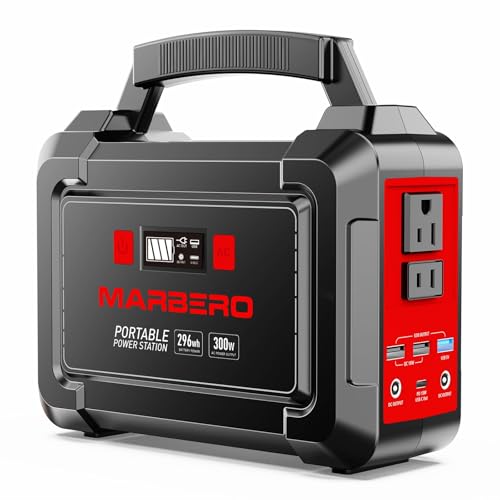
- 296Wh capacity
- 300W AC output
- Three charging methods
- 5.7-pound portable design
- Multiple output types
Cons
- Solar panel sold separately
- Limited to low-wattage appliances
- CPAP runtime varies by machine
Specifications
| Color | Red |
|---|---|
| Dimensions | 8.26 x 3.5 x 7.48 inches |
| Weight | 5.7 pounds |
| Product Group | Lawn & Patio |
Verify the current product variation before purchase; specifications may change.
Detailed Review
What stands out in the currently available product data:
- 296Wh capacity supports longer off-grid charging sessions
- 300W AC output handles laptops, lights, fans, and small electronics
- Three recharge options support wall, car, and solar charging
- 5.7-pound design travels easily between vehicle and campsite
- Multiple USB, USB-C, DC, and AC outputs charge varied devices
- Built-in LED light includes steady, flashing, and SOS modes
Best For / Avoid If
Best for buyers prioritizing
- 296Wh capacity
- 300W AC output
- Three charging methods
Consider another option if
- Solar panel sold separately
- Limited to low-wattage appliances
- CPAP runtime varies by machine
Start by checking the owner’s manual for storage charge, temperature limits, recharge intervals, and instructions for long periods without use. If the manual is missing, contact the manufacturer rather than assuming a full charge or empty battery is suitable.
1. Follow the model’s storage-charge instructions
Battery makers may specify a charge range for storage, and that guidance takes priority over general advice. Avoid storing the unit fully depleted unless its manual explicitly directs you to do so.
Before putting it away, note the displayed charge and date. This simple record helps you tell whether charge has changed during storage, without treating the display as a precise battery-health diagnosis.
2. Choose a dry, moderate-temperature location
Store the station indoors in a dry place within the temperature range stated in its manual. Avoid damp garages, direct sun, vehicle interiors, and locations beside heaters or other heat sources.
Do not leave it where freezing conditions or high heat are likely unless the manufacturer confirms those conditions are acceptable. Temperature limits for charging can differ from limits for storage, so check both before charging after a cold or hot trip.
3. Disconnect accessories and inspect the case
Turn the station off and unplug charging cables, appliances, and other accessories before storage. Disconnecting loads avoids accidental drain and leaves ports easier to inspect before the next outing.
Wipe exterior dirt with a dry or slightly damp cloth, following the manual’s cleaning directions. Keep liquid away from ports, and do not use solvents unless the manufacturer approves them.
4. Prevent damage to ports and cables
Keep the station where heavy gear cannot crush it and where loose metal objects cannot contact its ports. Store cables neatly without sharp bends, and keep connectors clean and dry.
A protective case can reduce dust and scuffs, but do not seal a damp unit inside one. Let equipment dry fully after a wet campsite before packing it away.
5. Check charge during longer gaps
Some stations lose charge while idle, and the rate depends on the model and its condition. Follow the manual’s inspection or recharge schedule instead of relying on a universal monthly interval.
When checking, inspect the display and case before connecting a charger. If the charge has fallen below the manufacturer’s storage guidance, recharge as directed and record the date for your next check.
6. Recheck before the next trip
Before departure, look for cracks, swelling, unusual odor, corrosion, or damaged cables. Do not use or charge a unit that appears damaged; keep it away from combustible materials and ask the manufacturer for safe next steps.
Charge the station using an approved method, then confirm that its outlets and intended accessories work as expected. Check the power requirements of each device, since the station’s output limits still apply even when its battery shows a high charge.
What to Consider for a Camping Power Station
Capacity and expected storage duration
The listed MARBERO unit has 296Wh capacity, according to supplied product information. That figure describes stored energy when new; usable energy can differ by output, conversion losses, device demand, and battery condition.
For storage planning, capacity does not replace the manual’s charge instructions. If you need to keep a station ready for both camping and household outages, make a recurring inspection part of your equipment routine.
Output limits and intended devices
Product information lists two 110V AC outlets rated at 300W, with 350W peak output, plus USB and DC outputs. The listed guidance limits applicable appliances to under 100W, so verify both the device’s running draw and any startup surge against the manual.
Do not infer that a device will run for a fixed time from capacity alone. Actual runtime varies with appliance demand, conversion losses, battery condition, and operating conditions.
Recharge options and trip planning
Supplied information describes AC, vehicle, and compatible solar charging, with the solar panel sold separately. Check the required voltage, current, connectors, and charging instructions before connecting any third-party panel or power source.
Solar charging depends on conditions and available sunlight, so do not treat it as a guaranteed way to restore charge on a trip. Our camping power and lighting guides can help frame broader campsite power needs.
Why You Should Trust Us
We base this guide on the product details supplied for the MARBERO station and general battery-storage precautions. We have not physically tested this unit, and the supplied information does not state its recommended storage charge, temperature range, or idle recharge schedule.
We separate listed specifications from practical interpretation and avoid treating manufacturer runtime or cycle-life statements as independently verified outcomes. For model-specific storage requirements, the owner’s manual or MARBERO support should guide your decision.
Final Thoughts
The MARBERO Portable Power Station 350W Peak Camping may suit campers seeking a compact, 296Wh unit with USB, DC, and AC outputs. Its listed AC output is limited to 300W continuous, so it is not a fit for appliances that exceed the stated limits.
Among the supplied product data, it is the only option to assess, so there is no meaningful comparison for separate best-overall or best-value picks. Its listed 5.7-pound weight and multiple charging methods may suit short trips, while users needing more capacity or higher output should compare larger stations before buying.
For storage, prioritize the model manual over generic routines, especially for charge level and temperature. Compare campsite capacity needs with our 500Wh versus 1000Wh power station guide before choosing a replacement or larger unit.
FAQs
Should I store a portable power station fully charged?
Not by default. Follow the storage-charge range in the manual for your specific model, since recommendations vary by battery design and manufacturer.
Can I leave a power station plugged in between trips?
Only if its manual allows continuous connection or maintenance charging. Otherwise, disconnect it and follow the manufacturer’s stated inspection and recharge schedule.
Where should I keep a power station at home?
Choose a dry indoor location within the model’s storage temperature limits, away from direct sunlight, heat sources, and moisture. Keep it clear of objects that could damage the case or ports.
How often should I check stored battery charge?
Use the interval specified in the owner’s manual. If the manual gives no schedule, ask the manufacturer rather than assuming one interval applies to every power station.
Can cold weather damage a portable power station?
Storage and charging temperature limits are model-specific. Check both limits after winter camping, and do not charge a cold unit unless its instructions say conditions are acceptable.
What should I do if the battery loses charge while stored?
First compare the displayed charge with the manufacturer’s storage guidance and inspect the unit. Recharge as directed if appropriate; contact support if loss seems unusual or the unit shows damage.
Is the MARBERO Portable Power Station 350W Peak Camping suitable for every appliance?
No. Supplied specifications list 300W AC output and 350W peak output, and identify applicable appliances under 100W; verify device requirements and startup draw before use.
What should I do if a power station looks swollen or damaged?
Stop using and charging it. Keep it away from combustible materials, avoid opening the case, and contact the manufacturer or an appropriate local battery-recycling service for safe handling guidance.