

YETI Drinkware We Recommend for Camp and Daily Use in 2026
YETI Black Friday deals in this lineup cover insulated tumblers and bottles, not coolers. Compare lid styles, capacity, and carry needs before choosing drinkware for camp or daily use.
We independently review everything we recommend. When you buy through our links, we may earn a commission. As an Amazon Associate we earn from qualifying purchases.
Compare camping coolers and portable refrigerators by capacity, insulation and power needs. Plan practical cold storage for campsite stays and road trips.
YETI Black Friday deals in this lineup cover insulated tumblers and bottles, not coolers. Compare lid styles, capacity, and carry needs before choosing drinkware for camp or daily use.
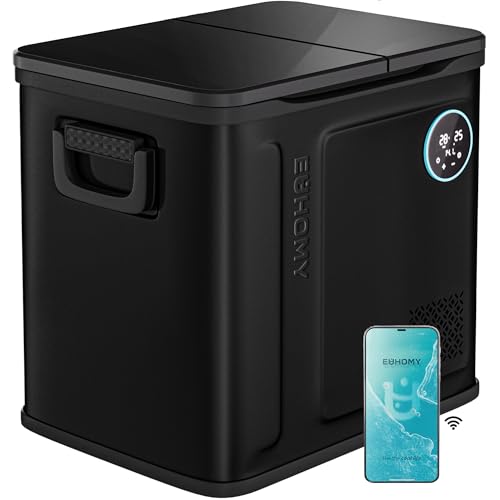
Separate freezer and refrigerator zones help car campers keep frozen meals apart from chilled ingredients. Compare capacity, controls, power options, and tradeoffs before choosing a unit for your trip.

A cooler drain plug can make campsite cleanup easier, but replacement plugs only work when their fit matches your cooler. Compare capacity, drainage, transport, and compatibility before choosing.

Measure the cooler’s usable interior volume, then subtract space needed for ice and packaging. Match the remaining space to your packed meals, drinks, and trip length.

A 12V compressor fridge can reduce ice handling in a small camper van, but capacity and battery demand matter. Compare three options by fit, power details, and trip style.

Use a thermometer inside your cooler and check it regularly to confirm food stays at 40°F or below. Placement, opening habits, and prompt action matter as much as the reading.
Pre-chill your cooler with ice or cold packs before loading it so warm insulation does not draw heat from food. Then drain the meltwater, pack cold items tightly, and keep the cooler shaded and closed.
Wash your cooler with mild dish soap and warm water, then dry it fully with the lid open. Use a baking soda solution for lingering smells and check the manual before using stronger cleaners.
Clean and dry your cooler fully before storing it to reduce moisture, mildew, and lingering odors. Check drains, seams, and the lid area, then store the cooler in a dry place with airflow.
Cooler choice depends on trip length, vehicle power, and whether you need ice storage or active refrigeration. These options cover traditional hard coolers and compressor-powered models.