
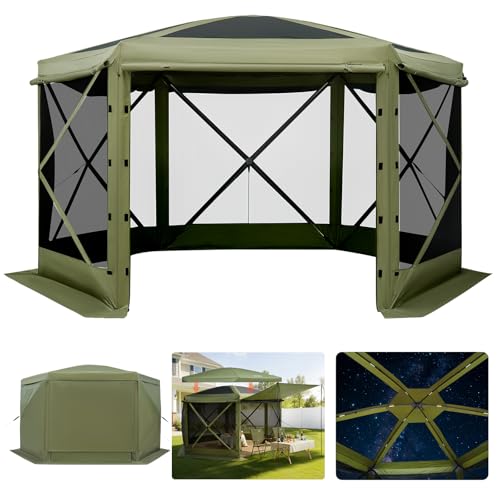
Screen Tents We Recommend for Camp and Backyard Use
A screen shelter can make meals and gatherings more comfortable while keeping bugs outside. Compare footprint, panel flexibility, setup style, and weather limits before choosing one.
We independently review everything we recommend. When you buy through our links, we may earn a commission. As an Amazon Associate we earn from qualifying purchases.
Compare camping tents and shelters by space, setup and weather protection. Explore practical buying guides for family trips, backpacking and campsite comfort.
A screen shelter can make meals and gatherings more comfortable while keeping bugs outside. Compare footprint, panel flexibility, setup style, and weather limits before choosing one.

A tent under $250 can suit car campers who prioritize space, simple setup, or lower packed weight. Compare capacity claims, rain protection, ventilation, and site conditions before choosing.

Dry a tent in a small apartment by removing excess water first, then spreading clean components where air can move around them. Use a room with ventilation, protect floors, and confirm every part is fully dry before packing.

Tent hydrostatic head measures how much water pressure fabric can resist before water passes through. Learn what the rating tells you, what it leaves out, and how to assess tent weather protection.
Inspect a used tent in daylight, set it up fully, and check fabric, seams, floor, poles, zippers, and included parts. Test for leaks safely and agree on any repairs before paying.
Pitching on rock starts with finding a safe, level spot and adapting your anchoring method to the surface. Learn how to position your tent, secure it without damaging gear, and recognize when a site is too exposed.
A tent zipper that splits usually has dirt, trapped fabric, damaged teeth, or a slider that no longer grips both sides evenly. Clean and inspect zipper first, then try a gentle slider adjustment or arrange repair if parts are damaged.
Pitching on sand takes wide, secure anchors and careful site selection. Learn how to position your tent, set guy lines, and check the pitch as conditions change.

Keep the rainfly centered, properly tensioned, and supported by correctly assembled poles so it does not sag against the inner tent. Check clearances after pitching and again if rain, wind, or shifting ground loosens the setup.
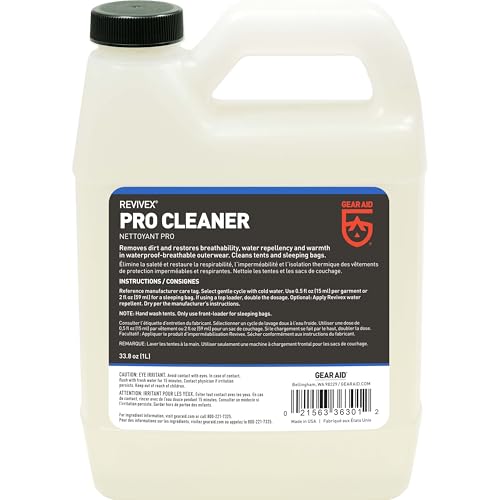
A stored tent usually smells because moisture, dirt, body oils, or mildew stayed in its fabric or stuff sack. Find the odor source, clean materials safely, and dry the tent completely before packing it away.