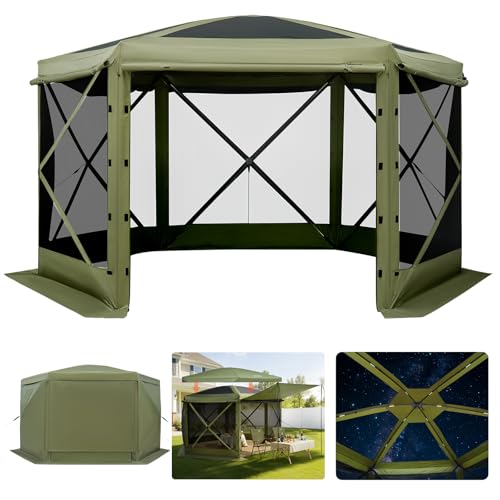
Tent hydrostatic head (HH) is a measure of how much water pressure tent fabric can withstand before water penetrates it. The rating is usually given in millimeters: a fabric rated at 2,000 mm resists the pressure of a 2,000-millimeter column of water in a controlled test. A higher number generally means greater resistance to water pressure, but it does not guarantee that an entire tent will stay dry in every storm.
Use HH as one part of a shelter assessment, not as a standalone promise of waterproof performance. Construction, seams, zippers, floor design, fabric condition, pitching, wind, and water pooling all affect how a tent performs outdoors.
How the hydrostatic-head test works
In a hydrostatic-head test, water pressure is applied to a fabric sample, often by placing or raising a column of water above it. The result records the pressure level at which water begins to pass through the sample under the test method. The millimeter figure describes water-column height, not fabric thickness, rainfall depth, or a guaranteed number of hours in rain.
For example, a 2,000 mm rating does not mean a tent can withstand 2,000 mm of rain. Rainfall exposure is different from the controlled pressure applied to a fabric sample. Test procedures and reporting details can also differ, so compare specifications cautiously when brands do not state the same method or conditions.
What a tent’s rating does—and does not—tell you
HH helps estimate the water-pressure resistance of a particular fabric, such as a rainfly or tent floor. It does not rate the complete shelter. Water can enter through weak or unsealed seams, damaged coatings, open vents, poorly protected doors, or gaps caused by an incorrect pitch. Wind can drive rain beneath a fly or against areas that receive little protection in calm weather.
Contact pressure matters too. Kneeling, sitting, or placing a heavy item on a wet tent floor can press water against the fabric more forcefully than water resting on an unloaded surface. That is one reason floor ratings may differ from rainfly ratings. Check the manufacturer’s specifications for each fabric section rather than assuming one listed number applies to the whole tent.
How to use HH when choosing or checking a tent
Follow these checks before a trip or when comparing shelters:
- Find the rating for each part. Look for separate rainfly and floor figures. If a listing gives one number without identifying the fabric, ask the manufacturer or consult the model’s manual.
- Match the shelter to expected conditions. Consider trip length, likely precipitation, wind exposure, terrain, and how much shelter or backup protection you have. Do not treat a rating as a safety guarantee.
- Inspect seams and closures. Check whether seams are taped, sealed, or require user-applied treatment. Follow the tent maker’s instructions; products and methods suitable for one fabric or coating may damage another.
- Check the condition of the coating and fabric. Look for peeling, tackiness, cracking, holes, abrasion, or previous repairs. A printed rating describes tested fabric, not necessarily an aged or damaged tent.
- Pitch correctly and manage runoff. Use the recommended guyline and fly setup, keep the fly from pressing against the inner tent where possible, and avoid depressions where water can collect. Choose a legal, suitable campsite away from drainage channels and flood-prone ground.
- Test before relying on the shelter. At home, pitch the tent as directed and check for leaks using the manufacturer’s approved method. Do not use a pressure washer or other forceful spray that could stress fabric or seams.
For more shelter factors beyond fabric ratings, browse our Tents and Shelters category. Wind exposure can change how rain reaches a shelter, so our guide to camping tents for windy beach conditions covers a related setup consideration.
Common mistakes and limits
- Comparing numbers without context. A higher rating suggests greater fabric resistance under test conditions, but does not prove better overall design, ventilation, durability, or storm performance.
- Assuming “waterproof” means leak-proof forever. Coatings and seams can wear or become damaged. Storage, use, cleaning, and age affect condition.
- Ignoring condensation. Moisture inside a tent may come from condensation rather than rain penetration. Ventilate as the design allows and keep wet gear managed; do not assume every damp surface indicates a failed HH rating.
- Overlooking campsite and weather hazards. No fabric rating makes a tent safe from flooding, falling branches, lightning, extreme wind, or heavy snow. Follow local weather alerts, land-manager guidance, and the tent manual. Leave an exposed or unsafe site when conditions require it.
Cleaning and repair guidance depends on fabric, coating, and construction. Use the manufacturer’s care instructions and compatible repair materials; avoid solvents, detergents, seam sealers, or adhesives unless approved for the tent. If damage is extensive or the correct repair method is unclear, contact the manufacturer or a qualified repair service.
As one example of a product specification, the Naturehike Village Instant Tent is listed with “Waterproof PU 2000mm+” fabric. That figure describes a stated fabric rating; it does not by itself establish performance of every seam, component, or setup in all weather.

Pros
- Very quick setup
- Excellent blackout performance
- High waterproof rating
- Spacious interior
- Good ventilation
Cons
- Heavy at 30 lbs trail weight
- Large packed size
- Setup can be tricky solo
Specifications
| Occupancy | 4 Person |
|---|---|
| Seasons | 4 Season |
| Water Resistance Technology | 2000mm+ |
| Additional Features | UV Protection |
| Occupant Capacity | 4 |
| Installation Type | Automatic, Easy Setup, Instant |
| Closure Type | Zipper |
| Number Of Doors | 1 |
| Water Resistance Level | Waterproof |
| Number Of Windows | 4 |
Verify the current product variation before purchase; specifications may change.
Detailed Review
What stands out in the currently available product data:
- Sets up in 60 seconds with pre-attached poles and automatic locking
- 150D Ti Black Technology fabric blocks 99.9% of UV and keeps interior cooler
- Full rainfly with 2000mm+ waterproof rating for serious weather resistance
- Double-wall design with separate inner tent for 4-season use, including snow skirt
- Large floor area (65 sq ft) fits a queen air mattress plus gear
- Vestibule and canopy add 73 sq ft of sheltered outdoor space
Best For / Avoid If
Best for buyers prioritizing
- Very quick setup
- Excellent blackout performance
- High waterproof rating
Consider another option if
- Heavy at 30 lbs trail weight
- Large packed size
- Setup can be tricky solo
FAQs
Is a higher hydrostatic-head rating always better?
A higher rating generally indicates that fabric resists more water pressure in the test. It is not a complete measure of tent quality or real-world weather protection. Compare ratings alongside seams, floor construction, design, condition, and intended use.
Does 2,000 mm mean a tent can handle 2,000 mm of rain?
No. The number describes pressure represented by a water column in a test, not a rainfall total or duration. It also does not certify that the assembled tent will stay dry under every combination of wind, wear, and setup.
Why can tent floors have a different rating from rainflies?
Floors can experience direct pressure from people and gear, as well as water pressure from wet ground. Manufacturers may use different fabrics or constructions for floors and rainflies. Check the stated rating for each component.
Can a tent with a high HH rating still leak?
Yes. Water may enter through seams, zippers, openings, damage, or poor setup, even when fabric has a high rating. Condensation can also look like a leak. Inspect the tent, pitch it correctly, and follow the manual’s care and repair directions.