

For a weekend car-camping trip, ice-pack placement matters, but cooler insulation, starting temperature, outside heat, and how often you open the lid matter too. Arrange packs around pre-chilled food, protect raw ingredients from leaks, and use a thermometer to check whether storage stays cold enough.
Reusable packs can reduce loose meltwater and free space, though results depend on cooler size, pack quantity, and conditions. For broader hot-weather cooler planning, see our guide to camping coolers for hot weather.
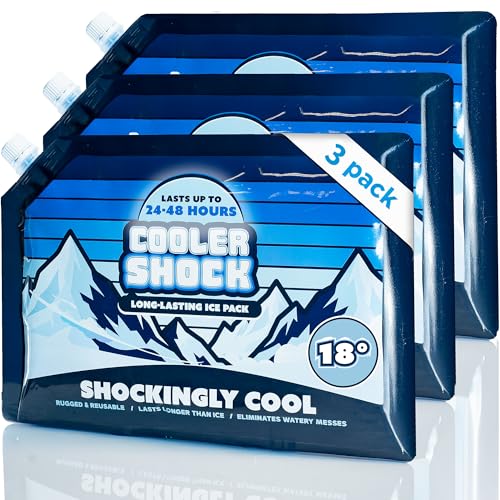
Pros
- Large cooler coverage
- Nylon-reinforced construction
- Reusable water-filled design
- May reduce loose ice
- Long claimed cold duration
Cons
- Requires initial water filling
- Needs a long freeze cycle
- Too large for compact coolers
Specifications
| Color | Gray |
|---|---|
| Size | 14"x10"x1.5" |
| Dimensions | 10 x 14 x 1.5 inches |
| Weight | 1.01 Pounds |
| Product Group | Outdoors |
| Binding | Kitchen |
Verify the current product variation before purchase; specifications may change.
Detailed Review
What stands out in the currently available product data:
- Designed for large camping coolers and XL insulated totes
- Manufacturer claims up to 48 hours of cold in matched coolers
- May replace 5 to 6 pounds of traditional ice
- Nylon-reinforced construction supports repeated reuse
- Fill once with water, then freeze and reuse
- 18°F phase change point supports low-temperature cooling
Best For / Avoid If
Best for buyers prioritizing
- Large cooler coverage
- Nylon-reinforced construction
- Reusable water-filled design
Consider another option if
- Requires initial water filling
- Needs a long freeze cycle
- Too large for compact coolers
1. Match pack quantity to cooler and trip conditions
Start with the cooler’s usable interior space, the amount of food, expected temperatures, and trip length. A partly filled cooler has more air space to manage, while frequent lid openings and a hot campsite can increase warming.
There is no universal pack count for a weekend. The supplied Cooler Shock product information says its 10-by-14-by-1.5-inch packs are designed for large coolers and claims up to 48 hours of cold in size-matched coolers; that is a manufacturer claim, not a guarantee for every load.
2. Freeze packs completely and pre-chill the cooler
Freeze reusable packs according to their instructions before departure. Cooler Shock’s supplied description says to fill its packs with water once, seal them, and freeze them before use; allow enough freezer time for the contents to freeze solid.
Chill food and drinks in a refrigerator before packing. If practical, pre-chill the empty cooler too, then discard any water or temporary ice used for that purpose before loading your food.
3. Load cold items in layers
Place a pack on the bottom, add a layer of chilled items, then distribute additional packs along the sides and across the top. Cold air sinks, but top coverage also helps limit heat entering through the lid, so avoid placing every pack in one corner.
Keep food grouped in compact layers rather than leaving large empty gaps. If the cooler is deep, use flat packs between layers where they fit without crushing delicate food or preventing the lid from closing properly.
4. Separate raw food and ready-to-eat items
Seal raw meat, poultry, and seafood in leak-resistant containers or bags, and place them below ready-to-eat foods. This arrangement reduces the chance that raw juices will drip onto food eaten without further cooking.
Use a separate cooler for drinks when possible. It lets you reach beverages without repeatedly opening the food cooler, a useful arrangement for family campsites or trips where passengers regularly need drinks.
5. Check temperature and follow food-safety guidance
Use a refrigerator thermometer to monitor the cooler rather than judging safety by touch or pack firmness. USDA guidance says perishable food should be kept at 40°F or below; if you cannot verify safe storage, do not rely on smell or appearance to decide whether food is safe.
Keep the cooler shaded, closed between uses, and out of a hot vehicle when practical. A pack’s advertised duration does not account for every combination of sunlight, ambient temperature, cooler insulation, food load, and lid opening frequency.
6. Choose packs that fit and suit your packing style
Measure the cooler’s interior before choosing large flat packs. The Cooler Shock packs are listed as 10 by 14 by 1.5 inches, so confirm they fit beside food and allow the lid to seal without force.
The maker says each pack can replace five to six pounds of traditional ice and uses nylon-reinforced construction. Treat those statements as product claims; reusable packs can save space otherwise occupied by loose ice, but still need freezer capacity and room in your cooler.
Why You Should Trust Us
We base this guidance on the supplied product details and established cooler-packing and food-handling practices. We distinguish manufacturer statements, such as the stated cold duration and ice-equivalent claim, from dependable planning steps like pre-chilling food and checking temperature.
We do not claim hands-on testing or verified performance for a particular cooler setup. Your results depend on equipment, packing density, weather, and use, so measure your cooler, follow food-safety guidance, and check conditions during the trip.
Final Thoughts
For a weekend car-camping setup, Cooler Shock Reusable Ice Packs for Cooler is a reasonable choice if its large format fits your cooler and you can freeze it fully before departure. Its reusable design may suit campers who prefer packs over loose ice, but its stated duration should not replace temperature checks.
It is the only product supplied for this comparison, so there is no evidence-based way to name separate overall, value, and specialized winners. Compare cooler capacity and insulation before buying; our camping cooler guide for budget buyers covers another part of that decision.
For a multi-day trip or hot conditions, pack conservatively and consider whether your cooler and available freezer space suit the plan. See our cooler guide for longer camping trips when evaluating capacity and trip length.
FAQs
Should ice packs go on top or bottom of a cooler?
Use both when pack quantity and cooler shape allow: place packs on the bottom, distribute them along the sides, and cover the top layer. Spread cooling around the load rather than concentrating every pack in one spot.
How many ice packs do I need for a weekend trip?
There is no reliable fixed number without knowing cooler size, food volume, weather, insulation, and access frequency. Follow the pack maker’s guidance, pre-chill the load, and verify the cooler temperature during the trip.
Do ice packs keep food as cold as regular ice?
Performance depends on pack design, quantity, cooler conditions, and how the cooler is used. Cooler Shock states that its packs have an 18°F phase-change point, but that manufacturer specification alone does not establish food temperature in your cooler.
Should food touch reusable ice packs?
Follow the pack’s care instructions and keep food protected in clean, sealed containers. Separate raw meat from ready-to-eat food to limit cross-contamination, whether or not items touch a pack.
Can I put warm food in a cooler with ice packs?
Chill perishable food in a refrigerator before packing. Warm items add heat to the cooler and can make it harder to maintain safe storage temperatures.
How can I keep a cooler cold longer at camp?
Pre-chill the cooler and its contents, keep it shaded, minimize lid openings, and use a separate drink cooler if practical. Check temperature instead of assuming a claimed pack duration will match your conditions.
How should reusable ice packs be prepared?
Use the manufacturer’s instructions for filling, sealing, freezing, and cleaning. The supplied Cooler Shock description calls for one-time filling with water and freezing before use; do not use a pack with a damaged seal.
What should I do if cooler temperature rises above 40°F?
Assess how long perishable food may have been above safe refrigeration temperature and follow USDA food-safety guidance. When time or temperature is uncertain, do not taste food to judge safety; consult our coolers and refrigeration resources for trip-planning context.


