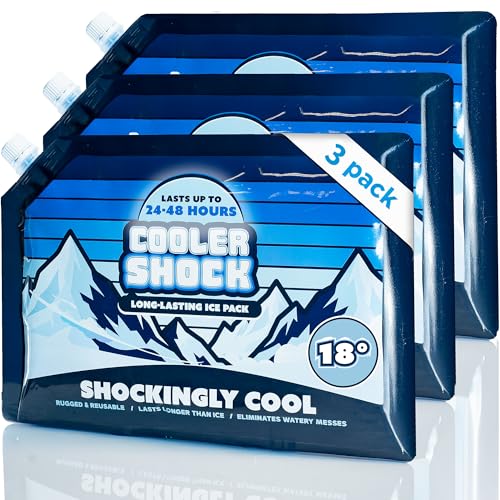
For family camping, two coolers work best when each has a clear job: one protects perishable food, while the other holds drinks and frequent-grab items. That setup can reduce how often the food cooler opens, but it cannot compensate for poor ice, warm storage, or unsafe food handling.
This guide explains how to assign cooler roles, pack them, and adjust the plan for trip length and weather. For help choosing equipment, see our camping cooler guide for hot weather.
The supplied product records do not identify cooler products. They list a survival-hacks book and two-way radios, so they cannot support cooler-specific product comparisons or a defensible best-overall cooler recommendation.
The comparison card above remains in place as required, but its items are not cooler recommendations. The practical guidance below focuses on cooler use, not unsupported claims about those products.
Give Each Cooler a Different Job
Use the food cooler for raw ingredients, dairy, leftovers, and other perishables. Open it mainly during meal preparation, rather than each time someone wants a drink or snack.
Use the second cooler for drinks and items your group reaches for often. Keep it stocked with only what you expect to use soon; repeatedly transferring warm drinks into cold storage adds heat and uses cooling capacity.
Choose Capacity Around Your Menu
Estimate food by meals, not by family size alone. A family bringing prepared meals may need less cooler space than a smaller group carrying bulky produce, drinks, and ingredients for camp cooking.
Leave room for ice or cold packs, and avoid filling a cooler so tightly that cold air cannot circulate around food. If both coolers are too small, split food by meal or reduce bulky packaging before adding another container.
Pre-Chill Food and Coolers
Chill food thoroughly at home before packing. Pre-chilling an empty cooler can also reduce the initial heat load, especially when the cooler has been stored in a warm garage or vehicle.
Freeze suitable items ahead of time and use them as additional cold mass, while keeping foods that must remain pliable accessible when needed. Do not assume frozen food will stay at a safe temperature for a particular number of days; results depend on cooler design, packing, ice, and conditions.
Pack Food to Limit Cross-Contamination
Seal raw meat and poultry in leakproof containers, then place them below ready-to-eat foods. Keep clean utensils and prepared meals protected from raw-food drips, and separate items by meal when that makes access simpler.
Keep perishable food cold and use a food thermometer when temperature matters. Follow current food-safety guidance for storage and cooking; smell and appearance cannot reliably establish that food is safe.
Plan Ice and Drainage
Use enough ice or cold packs to keep food cold throughout the trip, and check conditions rather than relying on a generic ice-duration promise. Ice needs vary with outside temperature, cooler insulation, opening frequency, contents, and trip length.
Follow the cooler maker’s drainage instructions. If using melting ice, keep food sealed and out of dirty meltwater; drain only when appropriate for the cooler and its contents, then replenish ice as needed.
Place Coolers in Shade and Secure Them
Keep both coolers out of direct sun and away from hot cooking equipment. A shaded, ventilated location can reduce unnecessary heat exposure, but shade does not replace ice or temperature checks.
At a vehicle campsite, secure coolers so they cannot shift during transport. Close lids fully after each use, and avoid leaving food unattended where wildlife access is possible; follow campground food-storage rules.
Match the Setup to Trip Length
For a short trip, one food cooler and one drink cooler may simplify access without adding much complexity. For longer trips, plan replenishment, meal timing, and safe disposal rather than assuming two coolers alone extend food storage.
Compare your needs with a cooler guide for a five-day camping trip or our camping cooler options under $50. Those pages address cooler selection; confirm current specifications and suitability before buying.
Why You Should Trust Us
We base this guidance on the practical constraints of cooler use: temperature control, access frequency, food separation, capacity, and trip conditions. We do not claim physical testing, measured ice-retention results, or verified performance data for the listed products.
The supplied product information does not include cooler specifications, materials, capacity, or warranty details. We therefore do not use those records to rank coolers or imply that the listed book or radios perform cooler-related functions.
Final Thoughts
For most family car-camping trips, assign one cooler to perishable food and the other to frequently accessed drinks. This division can make meal preparation more organized and limit openings of the food cooler, provided both containers have adequate ice and stay shaded.
No best-overall, best-value, or best-for-specific-use cooler can be selected from the supplied records because neither item is a cooler. Use the coolers and refrigeration category to compare relevant equipment, then check capacity, insulation details, drainage, portability, and warranty against your trip needs.
FAQs
How should I use two coolers for family camping?
Keep perishable food in one cooler and drinks or frequently requested snacks in the other. This reduces access to the food cooler, though both still need sufficient cooling and careful storage.
Should drinks and food go in separate coolers?
Separate them when your group opens the drink cooler often. Fewer openings can help limit warm-air exchange around food, but cooler condition, ice, ambient heat, and packing remain important.
Which cooler should hold raw meat?
Keep raw meat sealed in a leakproof container, below ready-to-eat food, to reduce the risk of drips contaminating other items. A dedicated food cooler can make separation easier, but safe packing still matters.
How much ice do two camping coolers need?
There is no reliable universal amount. Cooler insulation, starting temperature, contents, outside heat, openings, and trip duration all affect ice needs; check food temperature and replenish cooling as needed.
Can I use one cooler for a family weekend?
Possibly, if it fits the menu, ice, and access needs. A second cooler can improve organization when drinks are opened often, but it adds cargo space and another container to manage.
Where should camping coolers sit at camp?
Choose shade away from hot cooking equipment, close lids promptly, and secure coolers against movement. Follow campground rules for food storage and wildlife; a cooler is not automatically wildlife-resistant.
Does how to use two coolers for family camping change in hot weather?
The basic division stays useful, but hot conditions increase the importance of shade, chilled contents, limited openings, and temperature checks. See our hot-weather camping cooler guide when comparing equipment.
When should I replace a camping cooler?
Consider replacement when a damaged lid, failed latch, cracked body, or compromised seal prevents reliable use. Check whether the maker offers repair parts or warranty support before discarding a repairable cooler.