Keep a campsite free of food scraps by preventing spills, collecting every bit of food waste as it is made, and disposing of it exactly as campground or land-management rules require. Pack scraps out when no approved disposal option exists. Never bury, burn, or leave food waste for wildlife.
Food scraps can attract wildlife, spread litter, and create sanitation problems. Even small leftovers, greasy water, crumbs, and food residue on packaging can draw animals. Rules vary by location and may be stricter in bear country, so check official site guidance before setting up camp.
Prepare before you leave
Plan meals to reduce waste. Measure portions, remove excess packaging at home, and pack only ingredients you expect to use. Keep food in containers that close securely and are suitable for the storage method required at your destination. This cuts down on loose wrappers and scraps, but does not replace required wildlife-resistant storage.
Before departure, check campground rules, current wildlife notices, and any official food-storage requirements. These may specify where food, cookware, trash, and scented items must be stored. In some places, approved bear-resistant containers or lockers are required. Follow local instructions rather than relying on general camping habits.
Bring a dedicated, closable container or bag for food waste and dirty packaging. Keep it separate from clean food and cooking supplies. A dedicated waste container helps contain scraps during the day; it is not automatically wildlife-resistant, waterproof, or suitable for overnight storage. Use only storage methods approved for the site.
Collect scraps while preparing and eating
Set up a simple cleanup area before cooking. Put the food-waste container within reach, and use a plate, bowl, or clean work surface to catch peelings and crumbs. Keep food preparation away from tent sleeping areas, and return ingredients to their proper storage as soon as they are not in use.
- Scrape plates and cookware into the designated waste container instead of onto the ground.
- Collect peels, bones, coffee grounds, nutshells, and dropped pieces. Natural materials still count as food waste.
- Check the cooking area, eating spot, and ground beneath tables or benches for crumbs.
- Close food and waste containers between uses. Store them as local rules require when unattended.
Do not feed wildlife, even with small scraps or food that seems harmless. Animals can become accustomed to human food, and feeding may put people and animals at risk. Do not leave scraps in a fire ring, scatter them away from camp, or toss them into bushes or water.
Handle dishwater and greasy residue carefully
Scrape dishes thoroughly before washing. Food particles and grease should go into the solid-waste container or other disposal stream specified by the site, not into a stream, lake, or storm drain. Do not assume that biodegradable soap makes it acceptable to wash dishes directly in a natural water source.
For wash water, follow posted instructions and official local guidance. Requirements can differ for developed campgrounds, backcountry areas, and places with sensitive water or wildlife. If guidance calls for straining dishwater, capture the solids and dispose of them as instructed; do not leave the strainer contents on the ground. If a designated sink or disposal point is provided, use it as directed.
Keep wash water away from tents, food storage, and areas where people walk. Avoid pouring it where it can pool or run into water. If you are unsure where wastewater belongs, ask the campground or land manager before washing dishes. See the site’s camp cooking guidance for related meal-preparation topics.
Dispose of waste by site rules
Use a designated trash or food-waste receptacle only if the site allows it and the receptacle is available for that waste. Close lids fully. Do not leave bags beside a full bin or place scraps in an unapproved container. If no suitable disposal option exists, secure the waste and pack it out according to local instructions.
In wildlife country, regular trash bags may not prevent animals from reaching food. Store trash and food in the same approved manner required by local rules, and do not leave either unattended in a vehicle unless official guidance permits it. For bear-country precautions, check the relevant local guidance and review this overview of wildlife safety considerations; equipment does not replace prevention or site rules.
Never burn food scraps or packaging as a disposal shortcut. Burning may be prohibited, may fail to eliminate residue, and can create fire risk. Fire restrictions and safe-use rules change with conditions. Follow posted restrictions and the applicable fire authority’s instructions. For stove operation, follow the manufacturer’s manual and site rules; never operate fuel-burning equipment inside a tent or enclosed shelter.
Do a final campsite check
Before leaving camp or turning in for the night, scan cooking and eating areas in good light. Check beneath cookware, chairs, tables, and the edges of the tent area. Pick up crumbs and small scraps, close every waste container, and move food, cookware, and scented items into required storage.
- No visible crumbs, peels, bones, or food residue remain on the ground.
- Food scraps and food-contaminated packaging are contained for approved disposal or packed out.
- Grease and dishwater have been handled as local guidance directs.
- Food, trash, cookware, and scented items are stored in the required location.
- Campfire, stove, and wildlife rules have been followed.
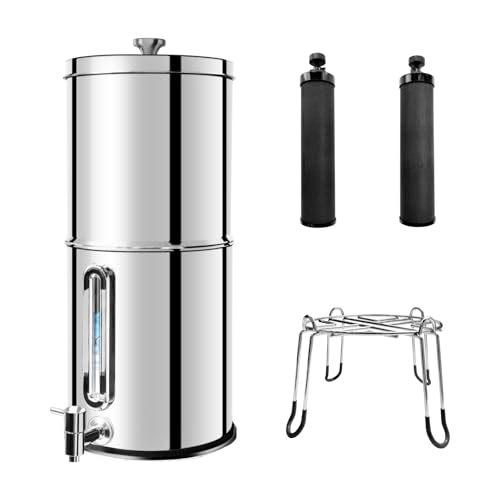
For additional trip planning, consult the site’s Water and Safety resources. For drinking-water treatment, use a method suited to the source and follow its instructions; do not assume a filter removes viruses unless its documentation specifically supports that claim.
Common mistakes to avoid
Leaving scraps because they are “natural.” Fruit peels, bread, and nutshells can still attract animals and may take a long time to break down. Collect them with other food waste.
Pouring greasy water outdoors. Grease and food particles remain attractive to wildlife and can pollute water. Strain or dispose of wash water only as official site guidance directs.
Using a regular bag as secure storage. A closed bag contains litter but may not keep wildlife out. Use the storage method required by the campground or land manager.
Burying or burning scraps. These methods can leave food accessible, damage the site, violate rules, or create fire risk. Follow approved disposal instructions instead.
Assuming a clean-looking site is clear. Tiny crumbs and residue can remain under a table or around a cooking area. Make a deliberate final sweep rather than relying on a quick glance.
Frequently asked questions
Can I bury food scraps at camp?
No, unless official local instructions explicitly direct a specific disposal method. Burying scraps can attract animals, expose waste, and damage the site. Pack scraps out or use an approved disposal point.
Can fruit peels or coffee grounds go into the woods?
No. They are food waste, not harmless litter. Collect them and dispose of them according to campground rules.
What should I do with dishwater?
Follow posted campground or land-manager instructions. Scrape food and grease from dishes first, keep wastewater out of natural water, and use designated disposal points when required. Rules vary by site.
Is a sealed trash bag enough to keep animals away?
Not necessarily. A sealed bag can help contain scraps, but it may not resist animals. Use only storage methods approved for your location, and secure waste whenever local rules require it.