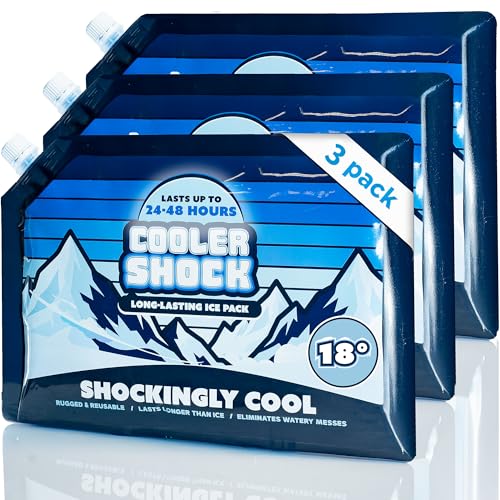
Picnic food can arrive squashed when heavy containers shift or delicate items sit beneath ice and drinks. To learn how to pack a cooler for a picnic without crushing food, start with cold ingredients, sturdy containers, and a packing order matched to your menu.
The method works for a lunch for two or a family outing, but cooler size and travel time matter. For longer trips in warm weather, review our guide to coolers for hot-weather camping and plan to keep perishables cold throughout travel.

Pros
- Folds flat for storage
- Zippered top
- Lightweight design
- Multiple everyday uses
Cons
- No temperature-retention duration listed
- Capacity claims conflict with listed dimensions
- Weight differs across product details
Specifications
| Color | Yellow |
|---|---|
| Size | 13.8 x 7.9 x 7.9" |
| Dimensions | 13.779527545 x 7.87401574 x 7.87401574 inches |
| Weight | 0.2 pounds |
| Product Group | Home |
| Binding | Sports |
Verify the current product variation before purchase; specifications may change.
Detailed Review
What stands out in the currently available product data:
- Folds flat for compact storage between outings
- Zippered top helps contain food during transport
- Insulated lining is intended for hot or cold items
- Listed dimensions fit smaller grocery or picnic loads
- Suitable for shopping, beach trips, and food delivery
- Listing states a maximum load of 25 pounds
Best For / Avoid If
Best for buyers prioritizing
- Folds flat for storage
- Zippered top
- Lightweight design
Consider another option if
- No temperature-retention duration listed
- Capacity claims conflict with listed dimensions
- Weight differs across product details
Choose a cooler that fits the menu
Choose capacity based on food volume, ice or cold packs, and how many people you are feeding. An overfilled bag can press containers together, while a partly empty cooler lets items slide unless you fill gaps.
The K Y KANGYUN Insulated Picnic Cooler Bag with Zippered Top is listed with a 24-liter capacity, unfolded dimensions of 13.5 by 7.9 by 7.9 inches, and a weight of 0.4 pounds. Those supplied specifications describe a lightweight, collapsible bag, not a rigid cooler with walls that prevent crushing.
Chill food and cold packs before packing
Refrigerate food before it goes into the cooler; do not rely on ice to chill warm dishes quickly. Pre-chill reusable cold packs too, following their manufacturer instructions, and keep perishable ingredients cold until departure.
Cold packs take up space but help reduce temperature swings when the cooler stays closed. Pack only the amount you can keep cold, and use a food thermometer when temperature checks are needed for safe handling.
Use rigid, leak-resistant containers
Place salads, cut fruit, sandwiches, and soft desserts in containers that match their shape and protect their contents. Tight lids help contain leaks, while a firm container gives delicate food a protective boundary against neighboring items.
Keep fragile foods in shallow containers rather than stacking them high. Use separate sealed containers for sauces and wet ingredients, and pack glass only when it can be cushioned and secured against movement.
Pack by weight and fragility
Place heavier, sturdy items at the bottom, such as sealed drinks or dense food containers. Put lighter and more delicate items above them, where they will not carry the weight of the load.
Keep soft foods away from hard corners and avoid placing loose ice directly against packaging that can become wet. A divider, small tray, or folded clean towel can separate layers, but it should not block the zipper or create pressure on delicate food.
Fill gaps and limit movement
After arranging the main containers, fill open spaces with lightweight items or a clean, food-safe cloth. The goal is to stop shifting, not to compress the contents until the lid strains.
Close the cooler and gently tilt it before travel to check whether containers slide. If they move, rearrange them or add a divider; do not solve the problem by tightening straps around food.
Keep the cooler cold during the trip
Keep the cooler out of direct sun and inside the air-conditioned vehicle when practical. Open it only when needed, and return leftovers promptly to cold storage rather than leaving them in a warm car or picnic area.
Insulated fabric can slow heat transfer, but the supplied product details do not state a temperature rating or a tested cold-retention duration. For extended hot-weather trips, use a cooler with performance information suited to the expected conditions; our budget camping cooler guide covers a different class of cooler options.
Why You Should Trust Us
Our guidance separates practical packing technique from the specifications supplied for the listed bag. We do not claim hands-on testing, measured cooling performance, or durability results for this product.
We assess fit using the stated capacity, dimensions, weight, foldable design, and listed 25-pound maximum load. Those details help describe portability and intended carrying capacity, but they do not establish that the bag will prevent food from crushing or keep food cold for a specific duration.
Final Thoughts
The K Y KANGYUN Insulated Picnic Cooler Bag with Zippered Top may suit picnickers who prioritize low weight, fold-flat storage, and carrying groceries or food for a small outing. Its soft-sided construction and lack of a stated temperature-retention period make careful packing and cold-pack use important.
For a single listed option, it is the practical fit for portable, occasional use, not a clear choice for protecting delicate meals under heavy loads. Choose rigid containers, keep the bag within its stated load limit, and consider a hard-sided cooler when structural protection or longer cold storage matters.
For broader alternatives, compare the site’s camping cooler options under $150 or see coolers and refrigeration coverage. A larger or more rigid cooler can add bulk, so match that tradeoff to trip length, group size, and food needs.
FAQs
How do you keep sandwiches from getting crushed in a cooler?
Pack sandwiches in firm containers and place them above heavier items. Keep them from sliding by filling nearby gaps with lightweight items, without pressing down on the container.
Should ice go above or below picnic food?
Use sealed cold packs or bagged ice so meltwater does not soak food packaging. Arrange them around the load while keeping heavy packs from resting on delicate containers.
How should I pack fruit so it does not get bruised?
Use a shallow rigid container and avoid placing heavy food on top. Keep soft fruit separated from drinks, hard corners, and loose items that could shift during travel.
Can I pack food in a soft insulated cooler bag?
Yes, if the bag fits the food and you use containers to protect delicate items. Soft sides do not provide the same crush resistance as a rigid cooler, and insulation alone does not confirm a safe storage duration.
How full should a picnic cooler be?
Pack it snugly enough to limit movement, but leave room for the lid to close without pressure. Fill gaps with light items rather than forcing containers into a tight stack.
How do I keep picnic food cold on a hot day?
Start with chilled food and frozen cold packs, keep the cooler shaded, and minimize opening it. Follow food-safety guidance for perishable items and do not assume an insulated bag holds a safe temperature for a fixed time.
What should go at the bottom of a picnic cooler?
Put sturdy, heavier containers at the bottom, then place lighter and more fragile foods above them. Keep cold packs positioned so they do not crush food or obstruct the cooler’s closure.
Is the K Y KANGYUN bag suitable for a family picnic?
The supplied details describe 24 liters of capacity for everyday needs of two to three people, but actual fit depends on container size and cold packs. For more cooler choices, browse coolers and refrigeration guides and compare capacity with your meal plan.