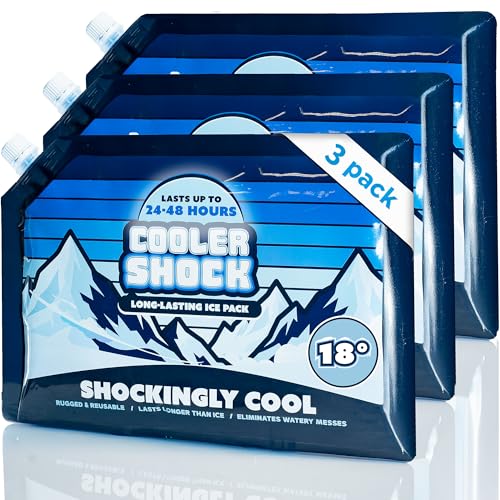
Keep raw meat sealed in leakproof packaging at the bottom of your camping cooler, below ready-to-eat food. Use a separate cooler for raw meat when practical. Keep perishable food at 40°F or colder, check with a thermometer, and prevent raw-meat juices from reaching other food, ice, or cooler surfaces.
Cold temperatures slow bacterial growth, but they do not make contaminated food safe. A well-packed cooler needs two controls: cold storage and physical separation. Plan both before leaving home, when food is still easy to package and organize.
Pack the cooler to prevent cross-contamination
Use this order when raw meat and ready-to-eat food must share one cooler:
- Bottom: Place raw meat, poultry, or seafood in sealed, leakproof bags or containers. Keep original packaging intact if it is sound, then add a second barrier, such as a sealed plastic container or sturdy leakproof bag. Put this package in a dedicated bin or tray to contain drips.
- Middle: Store foods that will be cooked, such as wrapped vegetables intended for cooking, in closed containers away from raw-meat packaging. Keep them separate from ready-to-eat items.
- Top: Store ready-to-eat foods, including cooked food, washed produce, cheese, and food that will be eaten without further cooking. Use closed containers or sealed bags. Keep these foods above and physically apart from raw meat.
Do not rely on a shelf-like layer of ice to separate foods. Packages can shift, meltwater can move, and raw juices can leak. A leakproof secondary container provides a more dependable barrier. Keep ice used in drinks separate from food storage, and never use ice that may have contacted raw meat or its juices.
Prepare food before the trip
Package meat at home, before it goes into the cooler. Divide it into meal-sized portions so you open only what you need. Label packages with contents and planned meal, and keep each portion sealed until it is ready to cook. If the original wrapping looks damaged or is not leakproof, add a secure outer container rather than assuming the cooler will contain a leak.
Chill food thoroughly before packing. Freeze meat that will be used later in the trip if it can thaw safely in the cooler; frozen portions can also help keep other food cold. Pack ready-to-eat food in separate sealed containers. Wash produce before the trip when appropriate, then keep it protected from raw-food packages. Do not wash raw meat, since splashing can spread germs around a sink or preparation area.
Keep temperature under control
Use a cooler thermometer to check that the cooler stays at 40°F or colder. Check it during the trip, especially after long periods in heat or frequent opening. A thermometer tells you more than the amount of ice remaining. Keep the lid closed as much as possible, store the cooler in shade, and avoid leaving it in a hot vehicle or direct sun.
Pack food and ice tightly enough to limit warm air pockets, but arrange items so you can retrieve what you need without leaving the lid open. Keep raw meat in its dedicated bottom container, even when adding ice or moving food around. Do not place unwrapped food directly in meltwater. If water collects, drain it only if doing so will not expose food to contamination; follow the cooler manual for drain use and care.
Perishable food should not remain above 40°F for more than two hours, or more than one hour when the surrounding temperature is above 90°F. If food has been warmer than 40°F longer than those limits, discard it. When you do not know how long it has been warm, do not taste it to decide whether it is safe. For detailed food-safety guidance, check current USDA recommendations.
Handle food safely at camp
Remove ready-to-eat items before opening raw-meat packages. Use clean hands, utensils, and preparation surfaces for food that will not be cooked. Wash hands with soap and clean water before preparing food and after handling raw meat. If soap and water are unavailable, follow public-health guidance for hand sanitizer; sanitizer does not replace washing visibly dirty hands.
Use separate cutting boards and utensils for raw meat and ready-to-eat food. If you have only one set, prepare ready-to-eat food first, then raw meat. Wash, rinse, and sanitize food-contact surfaces between tasks using a method suitable for the material and consistent with product directions and applicable food-safety guidance. Keep raw-meat packaging and used utensils away from clean dishes and food.
Put unused meat back into its sealed container promptly. Do not return cooked food to a plate or utensil that held raw meat unless it has been properly washed and sanitized. Cook meat to safe internal temperatures measured with a food thermometer; appearance alone cannot confirm doneness. Keep the cooler’s raw-meat bin closed and clean any leak promptly, following the cooler manufacturer’s care instructions.
Practical checks before and during the trip
- Raw meat has two barriers: secure packaging and a leakproof secondary container.
- Raw meat sits below ready-to-eat food and cannot drip onto it.
- Ready-to-eat food is covered, separated, and easy to retrieve without handling raw packages.
- A thermometer confirms the cooler is at or below 40°F.
- Food and drink ice cannot be contaminated by raw-meat juices or meltwater.
- You have a plan to wash hands, clean equipment, and manage leaks at camp.
A second cooler is often the simplest separation method, especially for longer trips, large amounts of raw meat, or frequent access to ready-to-eat food. If choosing or planning cooler capacity for a trip, see cooler considerations for a five-day camping trip and cooler considerations for hot weather. These are optional planning resources; safe packing and temperature checks still matter with any cooler.
Optional supporting equipment: a hard cooler with a closable lid can help keep packed food contained. The Coolers and Refrigeration category has more cooler information.

Igloo Polar 120 Qt Hard Cooler with UV Protection
Pros
- Holds 188 cans
- Lightweight for a 120-quart cooler
- UV-inhibited lid resists sun damage
- Stain- and odor-resistant liner
- Threaded drain plug for hose hookup
Cons
- Lid feels light and less rigid
- Ice retention trails premium rotomolded coolers
- No wheels for this large size
Specifications
| Brand Name | Igloo |
|---|---|
| Included Components | Cooler |
| Recommended Uses For Product | Camping |
| Model Name | Polar-Igloo |
| Team Name | Igloo |
| League Name | NCAA |
| UPC | 034223445775 |
| Number of Items | 1 |
| Global Trade Identification Number | 00034223445775 |
| Unit Count | 1 Count |
Verify the current product variation before purchase; specifications may change.
Detailed Review
What stands out in the currently available product data:
- UV-inhibited lid resists sun damage and helps prevent the plastic from becoming brittle after long days outdoors.
- Stain- and odor-resistant liner wipes clean easily, so fish, marinades, or spilled drinks don't leave a lasting smell.
- Threaded drain plug connects to a standard garden hose for quick, controlled draining and cleanup.
- Reinforced swing-up handles with tie-down loops make it easier to lift, carry, and strap down in a truck or boat.
- Dual snap-fit latches secure the lid, and the snap-lock child safety latch adds peace of mind around kids.
- Lightweight construction for a 120-quart cooler, so you can move it when full without needing a second person.
Best For / Avoid If
Best for buyers prioritizing
- Holds 188 cans
- Lightweight for a 120-quart cooler
- UV-inhibited lid resists sun damage
Consider another option if
- Lid feels light and less rigid
- Ice retention trails premium rotomolded coolers
- No wheels for this large size
Common mistakes to avoid
- Putting raw meat on top: A leak can contaminate food below it. Store meat at the bottom in a leakproof container.
- Trusting the original wrap alone: Retail packaging may leak or become damaged. Add a second barrier.
- Using smell or appearance as a safety test: Food can be unsafe without looking or smelling spoiled. Use time and temperature limits instead.
- Opening the cooler repeatedly: Each opening can warm the contents. Group items by meal and retrieve them efficiently.
- Ignoring meltwater: Keep food sealed and out of water that could carry contamination. Drain and clean the cooler according to its manual.
FAQs
Can raw meat and ready-to-eat food share one cooler?
Yes, if raw meat stays sealed in a leakproof secondary container at the bottom, ready-to-eat food stays covered above it, and the cooler remains at 40°F or colder. A separate cooler reduces handling and leak risk.
Should raw meat sit directly on ice?
It can be kept cold with ice, but do not leave it exposed to shared ice or meltwater. Keep it sealed in a leakproof package and secondary container. Keep ice intended for drinks separate from food and raw-meat packaging.
What if raw-meat juice leaks in the cooler?
Keep people from eating food that contacted the juice. Discard contaminated ready-to-eat food. Remove affected items, then clean and sanitize the cooler surface and any reusable containers according to manufacturer instructions and applicable food-safety guidance. Repack only when the cooler is clean and cold.
Is frozen meat safe to thaw in a camping cooler?
Thaw it only while the cooler maintains 40°F or colder, with the meat sealed and separated from ready-to-eat food. Check temperature rather than assuming ice keeps food cold. Do not thaw meat at room temperature.