
Short-torso hikers need more than a small pack. They need torso adjustment, stable load transfer, manageable weight, and storage matched to trip length. This guide evaluates 2 options for the best hiking backpack for short torso men under $220 using listing information available in November 2026.
The two packs serve different jobs. The Osprey Kestrel LT 45L targets overnights and short multi-day trips, while the Osprey Talon 22L suits day hikes, biking, and travel. First, learn how to weigh your backpacking gear at home before choosing capacity.
Pros
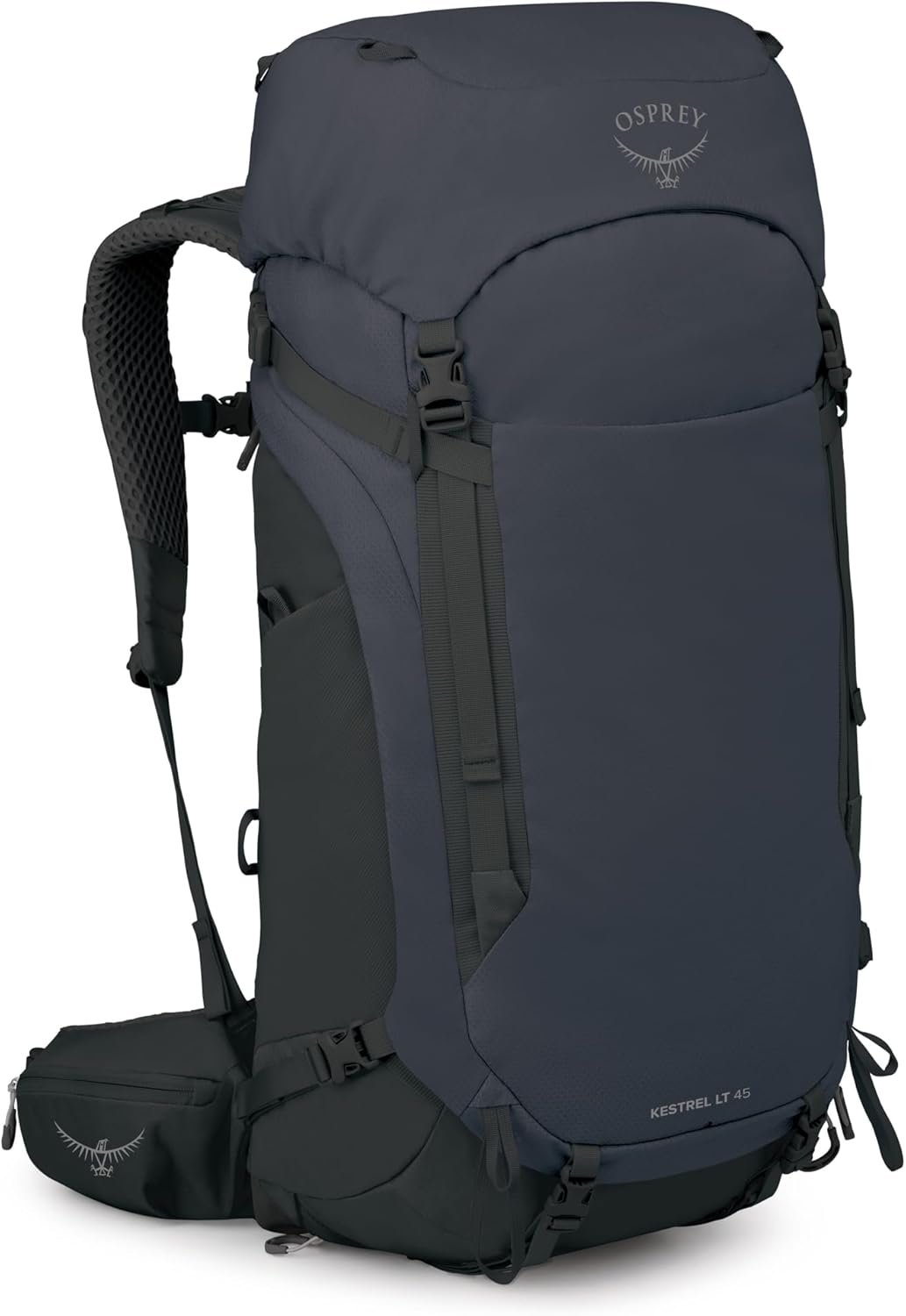
- Adjustable torso fit
- Lightweight for its capacity
- Durable fabric construction
- Includes raincover
- Side-zip access to main compartment
Cons
- AirScape panel less ventilated than AirSpeed
- One size only fits 18-22 inch torso
- Top-loading design requires lid removal
Specifications
| Other Special Features of the Product | Lightweight |
|---|---|
| Recommended Uses For Product | Sport |
| Strap Type | Adjustable |
| Apparel Closure Type | Drawstring |
| Water Resistance Level | Water Resistant |
| Material Type | Polyester |
| Outer Material | Polyester |
| Lining Description | Nylon |
| Storage Volume | 45 liters |
| Item Dimensions D x W x H | 11.8"D x 13.4"W x 26.8"H |
Verify the current product variation before purchase; specifications may change.
Detailed Review
Key features from the product listing:
- Adjustable torso length for a precise, comfortable fit
- AirScape backpanel provides cushioned, close-to-body support
- Included raincover for weather readiness
- Side-zip access to main compartment without full unpacking
- LightWire frame aids load transfer and stability
- Stretch side pockets and shove-it pocket for quick access

Pros
- Lightweight at 2.4 pounds
- Breathable and stable carry
- Multi-sport attachment points
- Eco-friendly recycled materials
- Fits as airline personal item
Cons
- Minimal internal organization pockets
- No included hydration reservoir
- Limited water resistance for heavy rain
Specifications
| Other Special Features of the Product | Lightweight |
|---|---|
| Recommended Uses For Product | Sport |
| Strap Type | Adjustable |
| Apparel Closure Type | Zipper |
| Water Resistance Level | Water Repellent |
| Number Of Pockets | 4 |
| Number of Compartments | 1 |
| Zippered Compartment Count | 4 |
| Fit to Size Sentiment | Neutral |
| Fit Type | regular |
Verify the current product variation before purchase; specifications may change.
Detailed Review
Key features from the product listing:
- Breathable AirScape backpanel and BioStretch harness deliver close-to-body stability and reduce sweat on active outings
- Lightweight 2.4-pound build with 22-liter capacity balances carry comfort with ample storage for full-day trips
- Dual-zippered hipbelt pockets, top panel pocket, and stretch mesh side pockets keep essentials accessible without digging
- Hydration-compatible internal sleeve allows easy water access while moving (reservoir not included)
- Stow-on-the-Go trekking pole attachment, LidLock bike helmet clip, and tuck-away ice ax loop enable multi-sport versatility
- Made with 100% recycled bluesign APPROVED fabrics and PFAS-free DWR treatment for eco-conscious durability
Best For / Avoid If
Best for buyers prioritizing
- Lightweight at 2.4 pounds
- Breathable and stable carry
- Multi-sport attachment points
Consider another option if
- Minimal internal organization pockets
- No included hydration reservoir
- Limited water resistance for heavy rain
Buying Guide for best hiking backpack for short torso men under $220
Torso adjustment and fit
Torso length matters more than listed capacity because poor fit can move weight onto shoulders and create pressure near your hips. Measure from your seventh cervical vertebra to the top of your hip bones, then compare that measurement with each manufacturer’s fit guidance.
The Kestrel LT 45L lists adjustable torso length and a men’s fit, giving it stronger fit potential for varied body proportions. The Talon 22L uses an adjustable sliding yoke and a men’s fit, which supports customization, but its low-profile design remains oriented toward lighter daily loads.
Capacity and trip length
Capacity should match shelter, sleep system, clothing, food, water, and emergency equipment. A 22-liter pack can handle many day hikes, but overnight gear usually needs more disciplined packing or a larger bag.
The Kestrel’s 45-liter volume fits overnight and short multi-day use, with sleeping pad straps and an internal reservoir sleeve. The Talon’s 22-liter volume reduces bulk for day routes, yet it may force compromises when weather layers or extra food enter the load.
Load transfer and stability
Frame structure, hipbelt design, load lifters, and compression determine how a pack behaves when contents shift. These features matter most when carrying water, shelter, cooking equipment, or dense emergency supplies.
The Kestrel includes a LightWire perimeter frame, padded hipbelt, sternum strap, load lifters, and dual side compression. The Talon emphasizes close-to-body stability through its AirScape backpanel and BioStretch hipbelt, making it better suited to movement than heavy overnight loads.
Ventilation and movement
Backpanel construction influences comfort during warm hikes, especially when your route includes climbing or sustained activity. Foam and mesh can improve airflow, but ventilation usually involves a tradeoff between cooling, contact, and load control.
Both packs use an AirScape backpanel with mesh-covered foam and air channels. The Talon’s low-profile fit and movement-focused design favor day hiking and cycling, while the Kestrel prioritizes close stability under larger loads.
Weather protection and organization
Rain protection reduces exposure risk for clothing, insulation, and electronics, but a raincover does not make every zipper or seam permanently waterproof. Pack sensitive items inside waterproof bags when conditions are severe or prolonged.
The Kestrel includes a waterproof raincover stored in its own bottom compartment, plus a front shove-it pocket, stretch side pockets, hipbelt pockets, and side-zip access. The Talon offers a top panel pocket, dual hipbelt pockets, stretch mesh side pockets, and hydration compatibility, but its listing information does not list an included raincover.
Storage layout changes how often you remove the pack. Use the overnight hiking backpack packing guide to keep dense items near your back, emergency layers accessible, and water reachable without excessive unpacking.
Tier and value analysis
At this product range, entry-level value usually means choosing the correct capacity and fit rather than collecting every accessory. For day hiking, the Talon provides the lower-cost path to a lightweight, adjustable, hydration-compatible pack.
Premium value appears when added structure prevents a second purchase. The Kestrel adds substantially more capacity, a perimeter frame, load lifters, sleeping pad attachment, side-zip access, and an included raincover, making its extra expense more meaningful for overnight users.
Why You Should Trust Us
Our assessment uses published product descriptions, listed features, stated dimensions, intended use, and published fit information. We separate those documented details from editorial interpretation, especially where comfort, durability, and weather performance depend on fit, packing, terrain, and conditions.
We do not treat a larger pack as automatically better. Capacity, frame support, access, weather protection, and movement needs determine value, while missing specifications remain unknown rather than assumed.
Final Thoughts
Best overall fit for overnight users: Osprey Kestrel LT 45L Men’s Backpacking Backpack. Pros include adjustable torso length, stronger load-transfer hardware, 45-liter capacity, sleeping pad straps, and an included raincover. Cons include greater bulk than a daypack. Who should skip it: hikers carrying only water, layers, and lunch.
Best value for day hikes: Osprey Talon 22L Men’s Lightweight Hiking. Pros include low-profile movement, adjustable sliding yoke, bike and trekking-pole features, hydration compatibility, and organized pockets. Cons include limited overnight capacity and no listed included raincover. Who should skip it: hikers carrying bulky sleep systems.
For route-specific preparation, review how to plan a short hike from a campground and keep pack choice tied to distance, forecast, water access, and group responsibilities.
FAQs
What is the best hiking backpack for short torso men under $220 in 2026?
The Kestrel is the stronger choice for overnights because it combines adjustable torso length, a frame, load lifters, and 45-liter capacity. The Talon fits day hikers better.
How should a short-torso man fit a hiking backpack?
Measure torso length, set the harness so shoulder straps follow your body, then position the hipbelt over your hip bones. Adjust gradually after loading the pack.
Is 22 liters enough for a day hike?
Usually, 22 liters can hold water, food, layers, navigation equipment, and basic safety items. Cold weather, camera gear, or group equipment may require more space.
Is 45 liters enough for an overnight hike?
It can suit an overnight or short multi-day trip when your shelter and sleep system pack efficiently. Actual requirements depend on season, food, water, and personal gear.
Does a raincover make a backpack waterproof?
No. A raincover reduces exposure, but wind-driven rain can reach openings and uncovered areas. Use waterproof liners or bags for critical items.
Which pack works better for biking?
The Talon is specifically described for biking and uses a close-to-body, low-profile design. Its helmet attachment adds utility for riders.
Can either pack carry a hydration reservoir?
Both product descriptions identify an internal hydration sleeve. The Talon description states that its reservoir is not included.
What should hikers check before a first trip?
Confirm torso fit, load balance, pocket access, rain protection, and strap adjustment at home. Pack a route-appropriate first aid kit and review trekking pole attachment methods before departure.