To plan a short hike from a campground, choose a marked route that starts at or near camp, check its distance and current conditions, and set a turnaround time before leaving. Tell someone where you are going, carry water and basic safety items, and keep a clear way to return. A short walk still needs planning: campground roads, weather, terrain, daylight, and your group’s abilities can change how long it takes.
Choose a route that fits your group
Start with the campground map, posted trail signs, or official land manager information. Look for a route beginning at camp or at a nearby trailhead you can reach legally. Confirm whether the route is open, marked, and suitable for the least experienced person in your group. A short distance does not always mean an easy walk: steep grades, loose rock, mud, heat, altitude, and stream crossings can make a brief route demanding.
Check the full route, not only the distance to a landmark. Find out whether it loops back or requires retracing your steps, and note junctions, road crossings, and places where a wrong turn could add distance. If the trail map shows mileage but not elevation or surface, ask campground staff or consult the land manager’s current trail information. Treat unofficial estimates as uncertain.
Set a realistic time allowance for the whole outing, including stops and the return. Children, older adults, people new to hiking, and anyone carrying extra gear may move more slowly. Choose a shorter option if the group has different fitness levels. For more day-hike packing context, see this daypack overview; you do not need special gear for every campground walk.
Check conditions before setting out
Check the day’s forecast and any local alerts shortly before departure. Weather can shift quickly, especially in mountains, deserts, and exposed areas. Look for heat advisories, thunderstorms, high winds, smoke, flooding, snow, or trail closures. Follow official campground and land-management instructions. If conditions exceed your group’s experience or the route is closed, choose another activity or postpone the hike.
Check daylight and set a turnaround time that leaves a margin for delays. Do not plan to reach a destination at the edge of sunset. If you are unsure how long a route will take, choose a shorter one and start earlier. A phone map can help, but battery loss, poor signal, or device failure can leave you without navigation. Use the map or navigation method appropriate to the area, and know how to retrace the route.
Pack for the route, not just the distance
For a short hike, carry enough water for the route, weather, pace, and group. There is no single amount that fits every person or condition. Bring more when heat, exertion, or limited refill access calls for it. Do not assume a stream, campground tap, or spring is safe to drink. If treating water, use a method suited to the source and follow its instructions and applicable local guidance. Do not assume a filter removes viruses unless its supplied evidence specifically confirms that capability.
Pack a small amount of food if the outing may overlap a meal or take longer than expected. Carry weather-appropriate layers, sun protection, and a basic first-aid kit. Bring a charged phone, but do not rely on cell service. A light source is useful if a delay could leave you returning near dusk. A map, compass, or other navigation aid can help if you lose the marked path. Choose items based on route conditions and your group’s needs, rather than packing a heavy overnight kit.
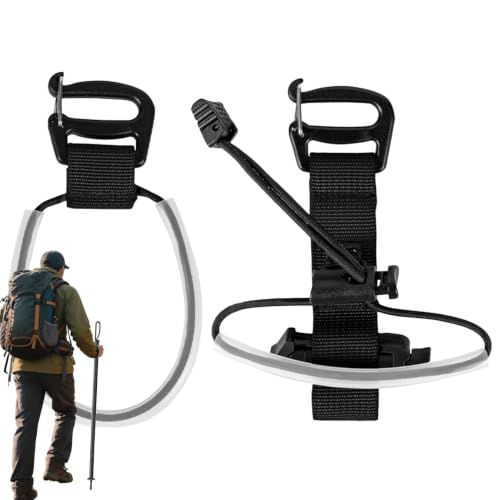
Wear footwear that suits the trail surface and that you can walk in comfortably. Check that clothing allows movement and protects against expected sun, insects, or brush. Trekking poles may help some hikers with balance or steep terrain, but they are optional; learn to use them safely and do not rely on them to make an unsuitable route safe. See this trekking-pole overview for general context.
Share a plan and leave camp ready
Tell a responsible person your route, expected return time, and what they should do if you are overdue. If no one is available, leave the plan with campground staff when practical. Keep the plan specific: trail name, direction, turnaround point, and group size. Update the person if the route changes.
Before leaving, secure food and scented items according to campground rules. Store them in the required locker or vehicle if instructed; do not leave food unattended at camp. Bring needed medication and know who carries it. Check that children understand the group’s boundaries: stay with the group, stop at junctions, and tell an adult if they feel unwell or lose sight of others.
Hike with a steady plan
Start at an easy pace and keep the group together. Watch footing at roots, rocks, wet ground, and road crossings. Follow marked routes and local rules; do not shortcut switchbacks or enter closed areas. Pause at junctions to confirm direction. If the trail becomes unclear, stop and check your map rather than continuing on a guess.
Turn around at your planned time, even if you have not reached the intended destination. Turn back sooner if someone feels ill, the group is moving slowly, weather worsens, water is running low, or the route looks different from what you expected. Do not split the group unless there is a clear, safe plan and everyone understands it. In an emergency, contact local emergency services when possible and follow official instructions.
Respect wildlife and changing weather
Keep a safe distance from wildlife, never feed animals, and follow local food-storage and wildlife guidance. If you encounter an animal, do not approach or block its path. The right response depends on the species and location, so check official guidance for the area before hiking. Keep pets leashed or leave them behind if rules or conditions make the route unsuitable.
If thunder, lightning, wildfire smoke, rising water, or another hazard develops, follow local alerts and leave exposed or threatened areas when safe to do so. Do not cross moving water if conditions are unsafe. A short route does not remove weather risk. For cooking or heating at camp, follow equipment instructions and local fire rules; never operate fuel-burning equipment inside a tent or enclosed shelter.
Common planning mistakes
- Choosing by mileage alone: Check elevation, surface, exposure, and crossings too.
- Leaving without checking closures: Verify current trail and weather information through official local sources.
- Carrying too little water: Account for heat, exertion, refill options, and everyone in the group.
- Trusting a phone as the only plan: Signal and battery can fail; carry a practical backup navigation method.
- Skipping a turnaround time: Decide in advance when to head back, then honor it.
- Assuming “short” means risk-free: Adjust for ability, conditions, wildlife, and daylight.
Frequently asked questions
How long should a short campground hike be?
There is no universal distance. Choose a route by terrain, total time, conditions, and the slowest or least experienced person in the group. A short out-and-back can still take longer than expected if the trail is steep, hot, muddy, or unfamiliar.
Do I need a map for a trail beside camp?
Yes, use a campground map, trail map, or another reliable navigation source. Nearby trails can have confusing junctions or connect with roads and longer routes. Learn the route before leaving, and do not depend only on phone service.
Should I carry water if the hike is very short?
Carry water appropriate to the weather, effort, route, and group. A brief walk in cool conditions differs from an exposed route in heat. Do not count on untreated natural water or an unverified refill source.
What should I do if weather changes during the hike?
Use local alerts and your judgment, then turn back or move to a safer place when conditions call for it. Avoid exposed areas during lightning and do not cross unsafe water. Follow park, campground, and emergency guidance; the safest response depends on the hazard and location.