
Hydration Packs We Recommend for Short, Light Hikes
A hydration pack should carry water comfortably without leaving too little room for a light jacket and trail essentials. Compare capacity, fit, and bladder care before choosing a compact option.
We independently review everything we recommend. When you buy through our links, we may earn a commission. As an Amazon Associate we earn from qualifying purchases.
Browse every published review, comparison, and buying guide. Newest research appears first, with older guides available through the numbered pages below.
Page 3 of 30
A hydration pack should carry water comfortably without leaving too little room for a light jacket and trail essentials. Compare capacity, fit, and bladder care before choosing a compact option.
Screen tents create shaded, ventilated space for meals and gathering without keeping insects out of your entire campsite. These options differ in footprint, weather limits, and how much room their stated capacities leave for furniture.
Restless campers need a pad that stays put and cushions movement without making travel impractical. These options range from compact foam pads to bulky mattress-style designs.
Backpacking kettles trade capacity and durability against weight and pack space. Compare standalone kettles with cookware sets before choosing for your stove and group.
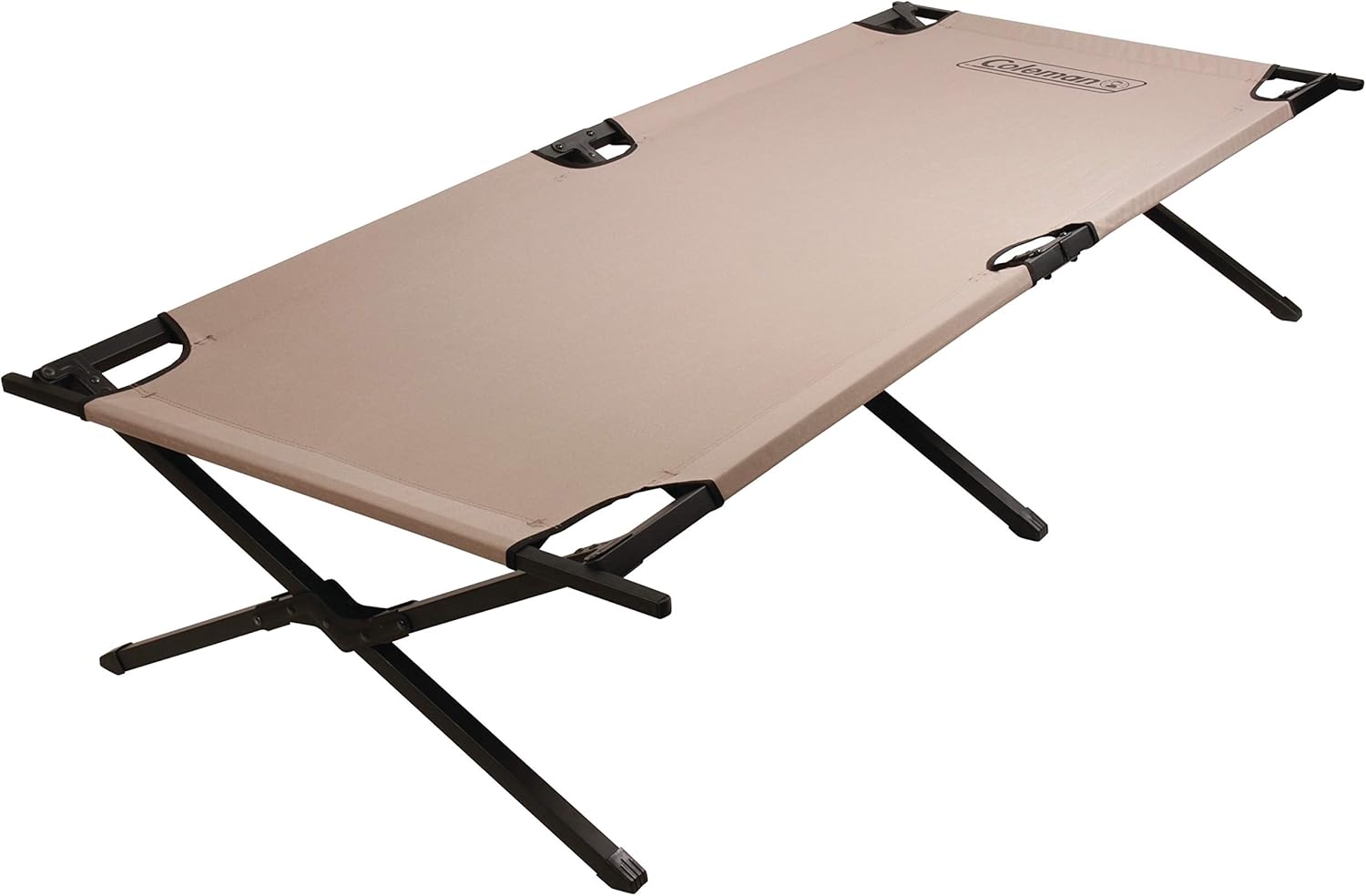
A cot raises you off the ground, but its wide, firm surface can leave a regular travel pillow sliding or sitting too low. These options suit different camping setups, from compact foam pillows to full-size foam pads.
A camping tarp can cover a hammock, picnic area, or simple rain shelter, but size and packed weight change who it suits. These options differ in coverage, stated waterproof ratings, and setup flexibility.
Roomy winter bags can make side sleeping and cold-weather changes more comfortable, but extra space does not replace insulation or a suitable sleep system. Compare fit, temperature claims, and packed-use tradeoffs before choosing.
Double sleeping bags can suit car campers who value shared space over individual temperature control. Compare insulation claims, pad needs, packed bulk, and seasonal fit before choosing.
Separate sleeping areas can make family camping more comfortable, but capacity labels do not account for much gear. Compare room layouts, setup, weather details, and vehicle-based tradeoffs before choosing.
Rain-ready family tents need enough sleeping room, dependable rainfly coverage, and ventilation that limits condensation. Compare these options by setup, capacity, and the details provided.
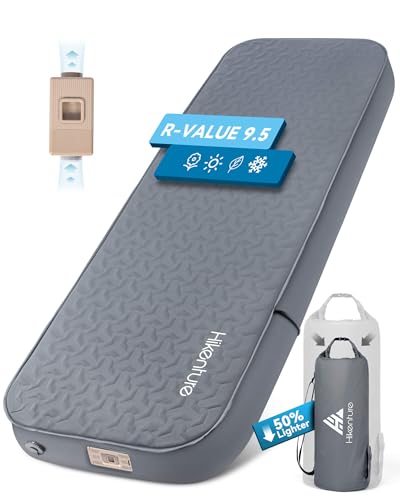
Cold ground can drain comfort from an otherwise well-planned camping trip. Compare insulation, packed size, inflation, and fit to choose a pad for your route and sleeping style.
Side sleepers with broad shoulders need enough pillow height without shoulder crowding. These options trade adjustability, camping portability, and specialized shapes in different ways.
Short hikes from camp call for a pack that carries water, layers, and essentials without unnecessary bulk. These options range from compact daypacks to oversized backpacking packs, so capacity and fit matter more than feature count.
Tall hikers need a daypack that stays stable without forcing straps to their limits. These options differ in capacity, storage, and weather protection, but published details do not confirm torso sizing.
These headlamps offer rechargeable lighting, adjustable beams, and useful modes for camp chores and evening walks. Choose based on weather exposure, beam shape, and whether you need one light or a pair.
Remove pine sap from a tent by softening it with ice, lifting it gently, then cleaning residue with a fabric-safe method. Check tent care instructions first to protect coatings and waterproofing.
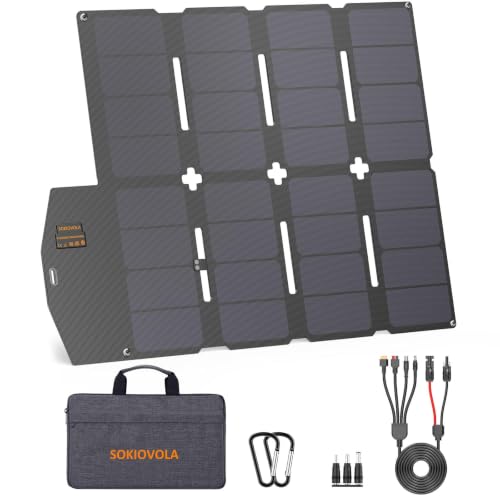
Portable solar panels under $100 range from USB chargers for phones to larger foldable panels for power stations. Match panel output, connectors, and packed size to your equipment before buying.
A wet tent floor in the morning usually comes from condensation, water entering from outside, or moisture trapped under the tent. Find the source before changing your setup, then use targeted steps to keep sleeping gear drier.