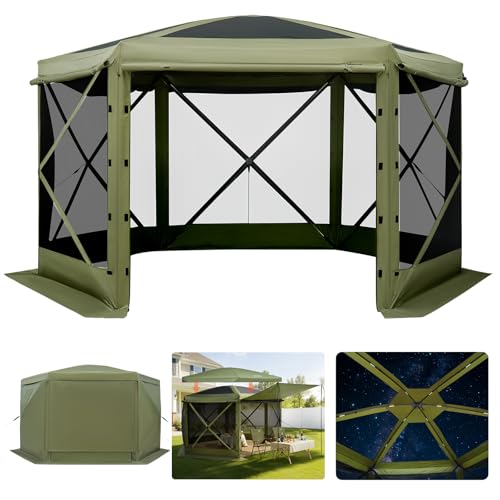
Remove pine sap from a tent by hardening it with ice, lifting away what you can without scraping, then cleaning any remaining residue with a mild, fabric-safe method. Check your tent’s care label or manufacturer instructions before using water, soap, or a solvent. Tent fabrics, coatings, seam treatments, and mesh can react differently, so avoid strong chemicals and aggressive rubbing.
Work on the affected area while the tent is dry if practical. Keep the tent fabric supported, and test any cleaner on a hidden spot first. If the sap sits on a coating, seam, or delicate mesh and you cannot confirm a safe cleaning method, stop and ask the manufacturer. Removing a sticky spot is not worth damaging waterproofing or a fabric panel.
What to gather before cleaning
Start with simple items: a resealable plastic bag, ice, a soft cloth, and a plastic card with a smooth edge. For later cleaning, have clean water and a small amount of mild soap available only if tent-care instructions allow it. Use a white or colorfast cloth to reduce risk of dye transfer. Avoid sharp tools, abrasive pads, and unapproved solvents.
Set up in a clean, dry place with enough room to support the fabric from underneath. If you are cleaning a pitched tent, avoid pushing hard against a pole or stretching the panel. Do not use a stove, lighter, or other flame to warm sap. Fuel-burning equipment belongs outside tents and enclosed shelters.
Step-by-step: remove pine sap safely
1. Check the tent’s care instructions
Find the care label, manual, or model-specific instructions on the manufacturer’s website. Check guidance for the exact fabric and coating, not only the tent brand. A tent may combine coated fly fabric, uncoated inner fabric, mesh, and seam tape. A method acceptable for one panel may harm another. Follow manufacturer directions if they differ from general advice here.
2. Harden the sap
Place ice in a sealed plastic bag and hold it against the sap for a short interval. Keep water from dripping onto the fabric. The goal is to make sap less tacky and easier to lift, not to freeze or crease the tent material. Check the spot often. If the fabric becomes stiff, damp, or strained, stop and let it return to normal before continuing.
3. Lift, do not scrape
Use the edge of a plastic card to nudge the hardened sap upward. Work from the outside of the spot toward its center so you do not spread it. Keep the card nearly flat and use light pressure. Support the fabric with your other hand or a clean, flat surface. Do not use a knife, fingernail, metal scraper, or stiff brush; these can cut fibers, abrade coatings, or push sap deeper.
Remove only material that lifts easily. If sap stays bonded, apply ice again rather than forcing it. Some residue may remain after the solid pieces come off. That is normal; clean it in a separate step instead of rubbing harder.
4. Blot remaining residue
First test the cleaning method on a hidden part of the same material. If the manufacturer permits mild soap and water, dampen a soft cloth with the approved solution and blot the residue. Use small, controlled motions. Do not soak the panel, scrub in circles, or let soapy water run across seams and into the tent interior. Rinse the cloth and blot with clean water if care instructions call for rinsing.
Some people use rubbing alcohol or other solvents on sticky residue, but these can affect coatings, finishes, adhesives, seam tape, colors, or synthetic fibers. Do not use them unless the tent manufacturer explicitly approves that product and method for your specific fabric. Avoid household cleaners, citrus-based removers, paint thinner, gasoline, and acetone unless manufacturer instructions specifically identify them as safe. Never mix cleaners.
5. Dry and inspect the panel
Let the area air-dry completely before packing the tent. Keep it away from direct high heat, heaters, and open flame. Once dry, check for remaining tackiness, discoloration, surface peeling, or changes in water beading. Inspect nearby seams and coating for damage. If you see peeling, a sticky coating, or a leak during a later rain, consult the manufacturer about care or repair options for that model. Do not assume a general repair product will fit every tent fabric or coating.
Practical checks and common mistakes
Before packing, confirm the cleaned area is fully dry and free of soap. Check both sides of the panel if accessible, especially when sap was thick or close to a seam. If the tent is still pitched, finish cleaning and dry the spot before taking it down when conditions allow. Damp fabric packed away can create other care problems, while a wet cleaning attempt can spread sap.
- Do not rub fresh sap. Friction can spread it and press it into the weave.
- Do not apply heat. Heat can soften sap, increase smearing, and damage tent material.
- Do not use a sharp edge. A small cut can weaken fabric or a waterproof panel.
- Do not skip the hidden-area test. A cleaner can change color or finish even when it removes residue.
- Do not treat all tent panels alike. Mesh, coatings, and seam treatments may need different care.
- Do not pack the tent wet. Allow cleaned material to dry fully first.
If the sap covers a large area, has been on the fabric for a long time, or lies across seam tape, contact the maker before escalating to stronger cleaning. Persistent residue may be less harmful than an unapproved solvent. For general tent care and shelter topics, see the Tents and Shelters category. For additional shelter context, read about tent use in windy beach conditions or hammock tents with bug nets and rainflies.
Frequently asked questions
Can I use rubbing alcohol to remove pine sap from a tent?
Only if the tent manufacturer approves rubbing alcohol for that specific fabric and coating. Alcohol can damage finishes, adhesives, seam tape, or color. Test any approved method on a hidden area first. If care instructions do not address alcohol, ask the manufacturer instead of guessing.
Will ice remove all pine sap?
Ice can harden sap so larger pieces may lift more easily, but it may not remove sticky residue. Use gentle pressure and repeat only as needed. Clean any remaining mark with a method approved for your tent material.
Can I wash the whole tent to remove one sap spot?
Usually, spot cleaning is a more controlled first step. Whole-tent washing can affect coatings or seam treatments if done against manufacturer instructions. Follow the care manual for washing, rinsing, and drying. Do not put a tent in a washing machine or dryer unless its manufacturer explicitly says to do so.
What if sap is on tent mesh or a seam?
Use extra caution. Mesh can snag or stretch, and seam tape can be vulnerable to rubbing and solvents. Avoid scraping across mesh or pulling at seam tape. Check model-specific instructions or contact the manufacturer before cleaning a stubborn spot in either area.