Why your tent floor is wet in the morning
Your tent floor is usually wet in the morning because condensation, rain or runoff, groundwater, or moisture trapped beneath the tent has reached it overnight. The location and pattern of dampness can help identify the cause: droplets on tent walls point toward condensation, while a localized puddle or wet edge often suggests water entered from outside.
Start by noting where the water is, whether it is clear or dirty, and whether the rainfly or ground around the tent is wet. Check again after drying the floor. These clues are more useful than assuming every leak means damaged fabric.
Common causes and how to tell them apart
Condensation inside the tent
People, pets, and damp gear release water vapor through breathing and evaporation. When humid air touches a colder tent surface, vapor condenses into droplets. Drops may run down the walls or rainfly and collect on the floor, especially near the tent’s edges. This can happen even when no rain falls and the tent fabric has no hole.
Look for moisture on the inside of the rainfly, tent walls, or windows. If the floor is wet beneath a wall with droplets, condensation is a likely contributor. A closed tent with limited airflow, several occupants, wet clothing, or a cool night can make the problem worse.
Rain, runoff, or splashback
Rain can enter through an unprotected door, a poorly secured rainfly, an open vent, or a seam or damaged area. Water can also flow downhill beneath the tent, pool around its footprint, or splash under the fly during wind-driven rain. A wet patch near one side, doorway, or seam can help narrow down the entry point.
Check whether the fly covers the tent as intended, doors and vents are closed or positioned according to the manual, and guy lines keep the fly from pressing against the inner tent. Do not assume a rainfly makes every tent waterproof in every setup or storm. Use the manufacturer’s instructions for pitching and weather limits.
Ground moisture and water under the tent
Damp soil, dew, a high water table, or a low spot can leave water beneath the tent. Ground moisture may seep through a worn, punctured, or poorly sealed floor. Pressure from knees, elbows, or gear can make a small weak point more noticeable. A footprint can help protect a floor from abrasion, but it cannot make a poor site drain well.
If the underside is wet or muddy, or the floor is damp across a broad area, check the ground before blaming condensation. Avoid depressions and places where water naturally collects. Follow local land-management rules when choosing or preparing a campsite; do not dig drainage trenches unless rules explicitly allow it.
What to do, step by step
- Map the wet area. Move sleeping bags and gear, then note whether moisture sits at the edges, under one item, near a seam, or across the whole floor.
- Check inside surfaces. Look for droplets on the inner tent and underside of the rainfly. Wipe one area dry and see whether moisture returns.
- Inspect the setup. Check fly coverage, doors, vents, seams, floor corners, and any visible damage. Compare your pitch with the tent manual.
- Check the site. Look for pooled water, wet soil, slope, and runoff paths. If weather or flooding risk makes the site unsuitable, move to a safer legal location.
- Dry and protect gear. Remove wet items from sleeping areas, air out the tent when conditions permit, and keep sleeping bags off damp walls and floors.
- Test suspected damage at home. Dry the tent and inspect it in good light. Follow manufacturer guidance for leak checks, seam care, and repairs; products and methods vary by fabric and construction.
Ways to reduce overnight moisture
Ventilate the tent when weather and bug protection allow. Open adjustable vents or windows as directed by the manual, and keep airflow paths clear. Ventilation can reduce condensation, but it will not stop rain from entering an incorrectly pitched or damaged shelter. In cold or windy weather, balance airflow with warmth and protection rather than leaving openings exposed without thought.
Choose higher, well-drained ground instead of a hollow, and orient doors and the fly to reduce exposure to prevailing wind and rain where practical. Keep wet boots, clothing, and cooking-related moisture outside the sleeping area when conditions allow. Never operate fuel-burning equipment inside a tent or enclosed shelter. It can produce carbon monoxide and create fire risk; cook outside, following the equipment manual and local fire restrictions.
A properly sized groundsheet can reduce abrasion and help protect the floor. If used beneath the tent, it should not extend beyond the floor edges, where it can collect rain and channel water underneath. Confirm the tent maker’s instructions: some designs use a specific footprint or require a particular setup. Do not treat any groundsheet as a guarantee against leaks or flooding.
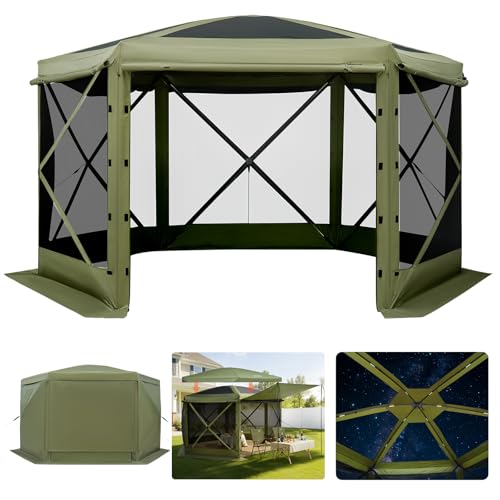
As optional supporting equipment, a tent with ventilation features may offer more ways to manage airflow. The Tents and Shelters category includes shelter-related information, and this example lists mesh windows and a top screen window. Ventilation can help with condensation, but it cannot prevent every cause of a wet floor.

Pros
- Very quick setup
- Excellent blackout performance
- High waterproof rating
- Spacious interior
- Good ventilation
Cons
- Heavy at 30 lbs trail weight
- Large packed size
- Setup can be tricky solo
Specifications
| Occupancy | 4 Person |
|---|---|
| Seasons | 4 Season |
| Water Resistance Technology | 2000mm+ |
| Additional Features | UV Protection |
| Occupant Capacity | 4 |
| Installation Type | Automatic, Easy Setup, Instant |
| Closure Type | Zipper |
| Number Of Doors | 1 |
| Water Resistance Level | Waterproof |
| Number Of Windows | 4 |
Verify the current product variation before purchase; specifications may change.
Detailed Review
What stands out in the currently available product data:
- Sets up in 60 seconds with pre-attached poles and automatic locking
- 150D Ti Black Technology fabric blocks 99.9% of UV and keeps interior cooler
- Full rainfly with 2000mm+ waterproof rating for serious weather resistance
- Double-wall design with separate inner tent for 4-season use, including snow skirt
- Large floor area (65 sq ft) fits a queen air mattress plus gear
- Vestibule and canopy add 73 sq ft of sheltered outdoor space
Best For / Avoid If
Best for buyers prioritizing
- Very quick setup
- Excellent blackout performance
- High waterproof rating
Consider another option if
- Heavy at 30 lbs trail weight
- Large packed size
- Setup can be tricky solo
Common mistakes and important limits
- Blaming every wet floor on a leak. Condensation can drip from tent surfaces and collect below without any hole in the floor.
- Putting an oversized groundsheet under the tent. Exposed edges can catch rain and carry it beneath the floor.
- Sealing every vent. This may trap more humid air. Use ventilation only as conditions and tent instructions allow.
- Applying an unverified repair product. Coatings and sealants differ. Use only care or repair methods compatible with the tent’s materials, and consult the manufacturer when uncertain.
- Assuming a footprint or waterproof label solves site problems. Standing water, bad pitching, wear, and weather beyond a tent’s intended use can still cause wetness.
Stop using a damaged shelter in conditions where failure could expose you to dangerous weather. Follow local weather alerts, land rules, and official emergency guidance. If water is entering through a seam or floor, dry the tent before storage and contact the manufacturer or a qualified repair service for material-specific advice.
Frequently asked questions
Can condensation make the tent floor wet?
Yes. Water can condense on the inside of the rainfly or tent walls, run downward, and collect on the floor. Droplets on interior surfaces are a useful clue.
Should I put a tarp under my tent?
A compatible groundsheet can protect against abrasion and some ground moisture. Keep its edges within the tent footprint so they do not collect runoff. Check the tent manual for recommended use.
How can I tell whether my tent floor leaks?
Dry the tent, inspect for punctures and worn seams, and look for a repeatable wet spot after exposure to moisture. Follow manufacturer instructions for testing; avoid methods that could damage fabric or coatings.
Will opening vents stop a wet floor?
Ventilation can reduce condensation, but it will not fix runoff, groundwater, an exposed groundsheet edge, or a damaged floor. Keep openings positioned according to the manual and current weather.