
Keep Wet Camping Gear Separate in Your Car
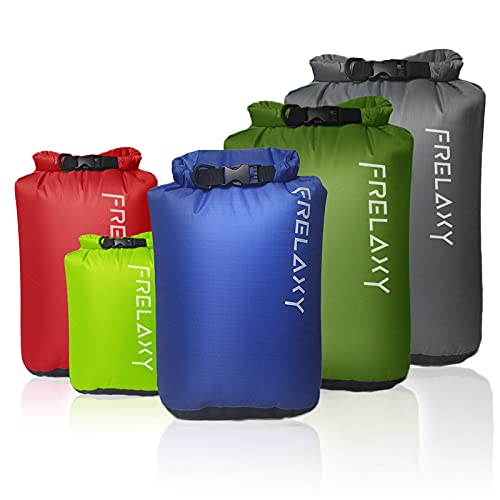
Keep wet camping gear in a contained, washable area so water and mud stay away from dry luggage. Sort items by dampness, protect the vehicle, and air everything out promptly.
We independently review everything we recommend. When you buy through our links, we may earn a commission. As an Amazon Associate we earn from qualifying purchases.

788 articles published
Keep wet camping gear in a contained, washable area so water and mud stay away from dry luggage. Sort items by dampness, protect the vehicle, and air everything out promptly.

A bear canister is a hard-sided container that keeps food, trash, and scented items away from bears and other wildlife. Learn how to pack, place, and check one before and during a camping trip.

Choose a level, durable site where shade suits your schedule and rainwater can flow away from your tent. Check the ground, nearby terrain, weather, and campsite rules before setting up.
Check campsite food-storage rules with the land manager before packing, because requirements vary by site, season, and wildlife risk. Confirm which items must be stored, what storage methods are allowed, and what to do with food during the day and overnight.
Dispersed camping means camping outside developed campgrounds, often on public land where facilities may be limited or absent. Learn how to check local rules, choose a low-impact site, and plan for water, waste, weather, and overnight comfort.
Keep food scraps contained from meal preparation through cleanup, then dispose of them according to campground rules. Pack out waste when required, and never leave scraps, grease, or food-contaminated items for wildlife.
Build a camping gear spreadsheet that shows what you own, where it is stored, and what needs attention. Use simple columns, dropdowns, and checks to make packing and upkeep easier.

Measure the cooler’s usable interior volume, then subtract space needed for ice and packaging. Match the remaining space to your packed meals, drinks, and trip length.
Set up camp in an order that protects your shelter, keeps essentials accessible, and makes cooking and sleeping areas easier to manage. Follow these steps from arrival through bedtime, then adjust for site rules, weather, and your gear.
A rainy teardown goes faster when you protect dry gear first and pack in a deliberate order. Use this checklist to leave camp safely, contain wet items, and dry equipment later.