

Keep wet camping gear separate in your car by grouping it in waterproof or water-resistant containers, placing those containers on a protected cargo-area surface, and keeping dry clothing, bedding, food, and electronics apart. Drain or shake off excess water before loading, sort items by how wet or dirty they are, and unpack everything to dry as soon as you reach your destination.
This approach helps limit soaked upholstery, muddy interiors, mildew odors, and damp gear spreading across the rest of your load. It does not make wet gear safe to store indefinitely: trapped moisture can still damage equipment or encourage mildew, and sealed containers can leak if damaged or closed incorrectly.
1. Prepare a separate wet-gear zone
Choose one part of the cargo area for wet items, ideally away from passenger seats and dry supplies. A cargo liner, removable floor mat, or sturdy plastic tub can help protect the vehicle, but check that the setup cannot slide, block visibility, or interfere with seat belts, airbags, doors, or vehicle controls. Follow your vehicle manual for cargo-loading and restraint guidance.
Keep this zone accessible so you can unload wet gear without unpacking dry bags first. Put heavier containers low and secure them for travel. Do not place loose, heavy items where they could shift into passengers during a sudden stop.
2. Sort gear by moisture and dirt
Separate gear into three practical groups: damp but relatively clean items, muddy or sandy items, and items that should remain dry. For example, a damp rain jacket belongs apart from muddy boots, while sleeping bags, spare clothes, electronics, and paper maps should stay in a dry zone. Keep food sealed and separated from dirty gear, following any applicable food-storage and wildlife guidance for your campsite and travel route.
Shake off loose dirt and water outdoors when possible. Brush off mud only where doing so will not grind grit into fabric or damage coatings. Avoid packing sharp or dirty objects against delicate gear. If an item is heavily soiled, contain it separately until you can clean it according to its care instructions.
3. Choose containers that match the job
Use a washable tub for muddy boots or items that may hold free water. A dedicated wet bag or dry sack can contain damp clothing and protect nearby dry belongings, but only when closures are used correctly and the container is in good condition. A plastic bag can serve as a short-term liner, but punctures, weak seams, or an unsecured opening can let water escape. Do not assume any bag is leakproof.
Pack wet items loosely enough to avoid forcing water through seams or closures. Keep sharp hardware, trekking-pole tips, and rough edges from puncturing a container. Avoid stacking containers so tightly that you cannot inspect them or remove them quickly.
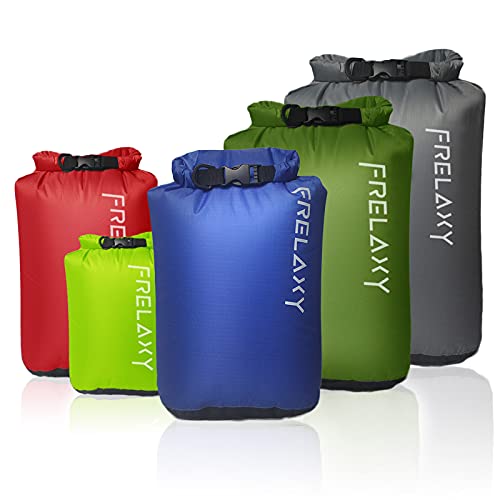
For a compact example of optional containment equipment, the Storage and Comfort category includes the Frelaxy Dry Bag 5 Pack, Ultralight Waterproof Dry, supplied in five sizes with roll-top closures. Its stated guidance says to avoid full submersion; treat it as a way to organize and contain gear, not as a guarantee against leaks in every situation.
Pros
- Five useful capacities from 3L to 20L
- Lightweight 210T tear-resistant polyester
- Taped seams and roll-top closures
- Color-coded organization
- Rectangular space-efficient bases
Cons
- Not designed for full submersion
- Thin fabric needs careful handling around abrasion
- Five-pack may exceed needs of solo users
Specifications
| Color | 5 Pack - Assorted Colors |
|---|---|
| Size | 3L, 5L, 10L, 15L, 20L |
| Dimensions | 9.4 x 6.3 x 22 inches |
| Weight | 0.6 Pounds |
| Product Group | Sports |
| Binding | Luggage |
Verify the current product variation before purchase; specifications may change.
Detailed Review
What stands out in the currently available product data:
- Five sizes simplify sorting clothing, food, and small camp gear
- Roll-top closures create a secure seal against rain and splashes
- Taped seams help limit water entry during outdoor use
- Ultralight construction adds minimal weight to packs and luggage
- Rectangular bases make packing more space-efficient
- Color-coded bags help identify contents quickly
4. Load wet gear without contaminating dry gear
Load dry bedding and clothing first, protected in their own bags or containers. Then place the wet-gear container in the designated zone. Keep damp items from leaning against dry bags, and avoid setting wet footwear on luggage. If a container has a roll-top or other closure, follow its supplied instructions; do not rely on a partly closed opening to contain water.
Keep wet gear out of the passenger footwell and away from electrical equipment, charging cables, and vehicle outlets. Never store fuel or fuel-burning equipment alongside wet clothing as a casual packing solution. Fuel, cooking equipment, and other hazardous items require handling and transport according to their manufacturer instructions and applicable local rules. Do not operate fuel-burning equipment inside a tent or enclosed shelter.
5. Check the setup during the trip
At stops, check whether containers have tipped, opened, or collected water. Feel the protected cargo-area surface for dampness, and move wet gear into a clean container if the original is leaking. Keep the vehicle ventilated only in ways that are safe for conditions and consistent with vehicle guidance; do not leave valuables or people unattended in an unsafe vehicle.
After rain or water crossings, inspect the rest of the load before driving on. A small leak can spread under a mat or into a seam and go unnoticed. If water reaches vehicle electronics or controls, stop using affected equipment and consult the vehicle manual or a qualified service provider rather than guessing at a repair.
6. Unpack and dry gear promptly
At camp or home, remove wet gear from the car as soon as practical. Empty containers, wipe down the protected cargo surface, and allow both the gear and containers to dry fully. Clean clothing, footwear, tents, and sleeping equipment according to their care labels or manufacturer instructions. For cleaning products, coatings, repairs, or waterproofing treatments, check compatibility with the specific material and follow product directions.
Drying times depend on weather, airflow, fabric, and how wet an item is. Do not assume a surface that feels dry means padding, seams, or folded layers are dry inside. Use manufacturer guidance for heat, washing, and storage; excessive heat or unsuitable cleaning can damage some materials.
Practical checks before driving
- Wet items sit in one defined, protected area.
- Dry clothing, bedding, food, and electronics remain separately contained.
- Boots and muddy items cannot drip onto upholstery or luggage.
- Containers are closed as intended, undamaged, and secured against shifting.
- Cargo does not block visibility, controls, doors, or required safety equipment.
- Fuel and hazardous items follow manufacturer instructions and local transport rules.
Common mistakes to avoid
Sealing wet gear away for days: containment limits mess but does not dry equipment. Unpack and air it out promptly.
Mixing mud with damp clothing: grit and dirt can spread to clean items. Give muddy footwear and heavily soiled equipment a separate container.
Trusting a bag without checking it: seams, closures, and fabric can be damaged, and a closure may be misused. Inspect containers before each trip and use a protective cargo liner as backup.
Overloading the cargo area: piled gear can shift and make wet items hard to reach. Load only what fits securely and follow vehicle guidance for cargo placement and restraint.
Ignoring local conditions: camp rules, weather, wildlife, and road conditions vary. Check official local guidance for food storage, severe weather, and other site-specific risks; use gear manuals for care and handling instructions.
Frequently asked questions
Can I put wet camping gear directly in a plastic bag?
Yes, as temporary containment if the bag is intact and suited to the load. Bags can tear or leak, so use a protected cargo area and keep wet gear away from dry supplies. Unpack and dry the contents promptly.
Should wet gear go in the trunk or passenger area?
Use a designated cargo-area zone when possible, with gear contained and secured. Do not place wet items where they can interfere with passengers, vehicle controls, visibility, or safety equipment. Follow your vehicle manual for cargo restrictions.
How long can wet gear stay sealed in the car?
There is no universal safe duration. Heat, humidity, material, and how wet the item is all matter. Treat sealed storage as transport only; unpack and dry gear as soon as practical, following manufacturer care instructions.
How do I keep wet boots from soaking the car?
Remove loose mud outdoors, place boots upright in a washable tub or intact container, and keep that container on a cargo liner. Check for trapped water and clean and dry the vehicle surface after unloading.
