

Why Cooler Ice Vanishes Early, and What You Can Change
Ice often disappears early because heat enters through the lid, warm contents, sunlight, or repeated opening. Use these checks to find the cause and keep food safely cold.
We independently review everything we recommend. When you buy through our links, we may earn a commission. As an Amazon Associate we earn from qualifying purchases.
Compare camping coolers and portable refrigerators by capacity, insulation and power needs. Plan practical cold storage for campsite stays and road trips.
Ice often disappears early because heat enters through the lid, warm contents, sunlight, or repeated opening. Use these checks to find the cause and keep food safely cold.

Compact 12V fridges can keep perishables cold without taking over your cargo area. Compare capacity, power needs, and dimensions before choosing one for your vehicle and trip.
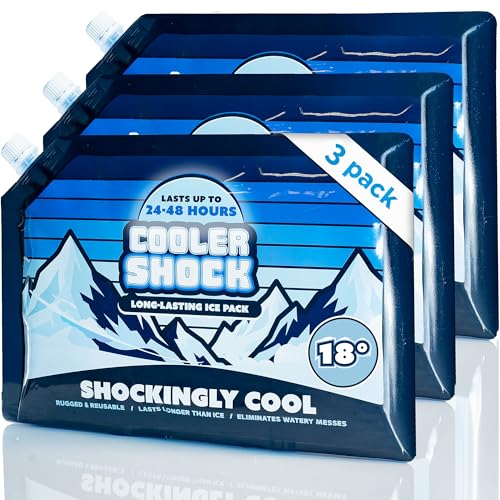
Pack ice packs around food strategically, keep the cooler closed, and manage raw ingredients separately. This guide explains a practical setup for weekend car camping and the limits of reusable packs.

A dirty cooler drain plug can slow drainage, trap odors, or leak after cleaning. Use a gentle cleaning routine, inspect the seal, and replace parts only when needed.

Pack chilled food in layers, protect delicate items, and keep the cooler closed during travel. This guide covers safe preparation, packing order, and practical cooler-bag limits.
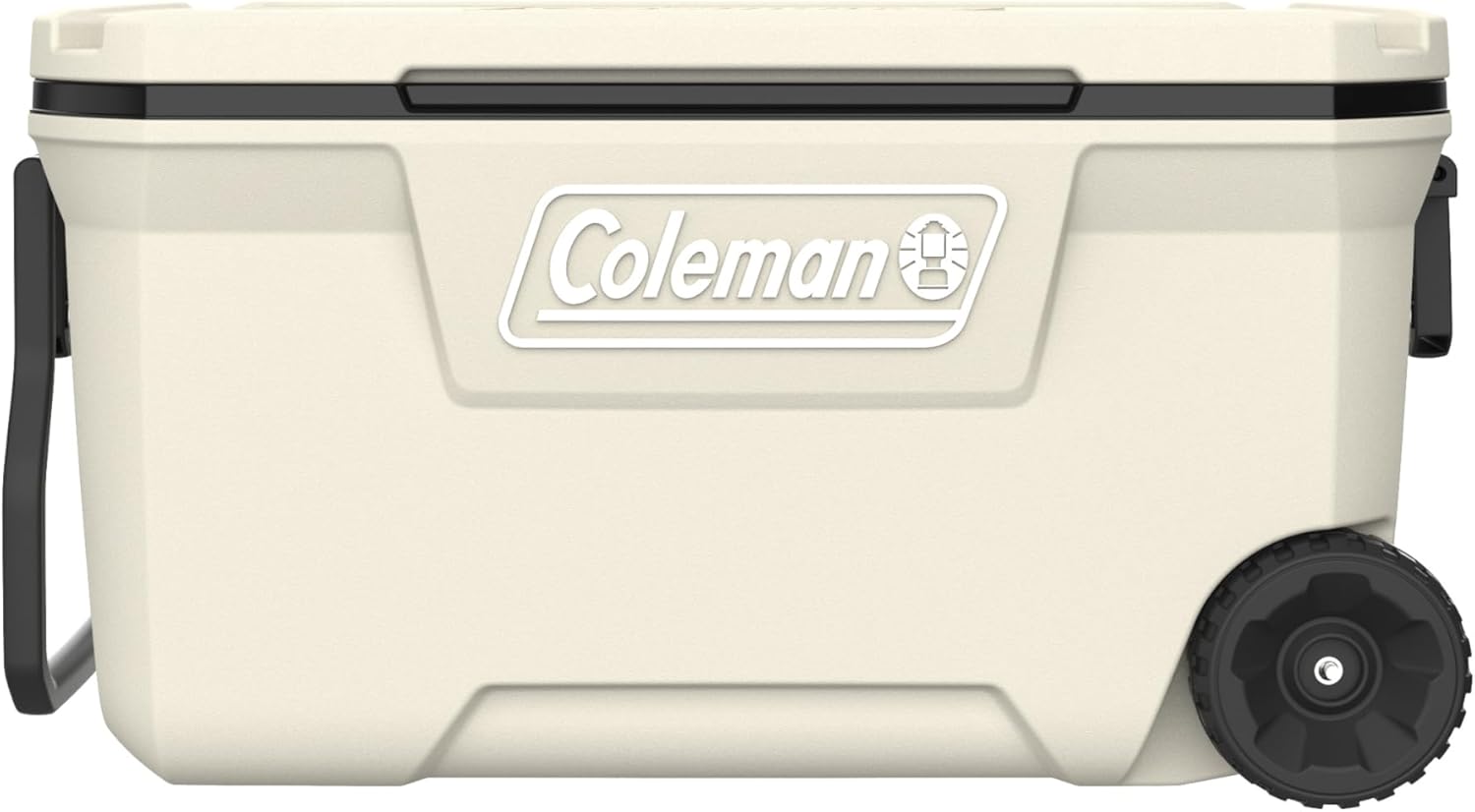
Separate food from drinks to reduce warm-air exposure and make camp meals easier to organize. This guide covers cooler roles, ice management, food safety, and when a second cooler helps.

Low voltage protection can stop a 12V camping fridge from draining a vehicle battery too far. Learn what the cutoff does, what it cannot protect, and how to troubleshoot power interruptions.
Store raw meat in leakproof packaging at the bottom of the cooler, below ready-to-eat food. Keep the cooler at 40°F or colder, and use a separate cooler when practical.
Quart capacity describes the cooler’s stated internal volume, not how many quarts of food or drinks it can hold in every packing setup. Learn how to convert quarts to cans, estimate usable space, and choose a size for camping.

Estimate fridge runtime by multiplying its average power use by hours, then compare that energy with battery capacity in watt-hours. Measure actual use when possible, because temperature, ventilation, and fridge settings change consumption.