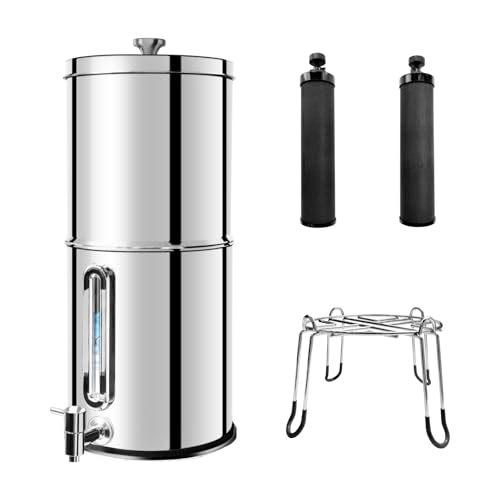
Keep clean and dirty water in separate, clearly marked bags, and never let untreated water or its cap, hose, hands, or collection tools touch treated water equipment. Set one bag aside for untreated source water and another for treated water; use consistent labels, colors, storage locations, and handling steps every time you fill, filter, or pour.
What “clean” and “dirty” mean
In camp water handling, “dirty” usually means untreated water collected from a stream, lake, or other source. It may contain germs or other contaminants even when it looks clear. “Clean” means water that has received a treatment suitable for its intended use and has been kept from recontamination. A clear appearance, pleasant taste, or bag labeled “clean” does not prove water is safe.
Use a treatment method appropriate to the source and follow its manufacturer instructions. Filters differ in what they remove; do not assume a filter removes viruses unless its supplied documentation explicitly supports that claim. Chemical disinfectants, boiling, and other methods also have specific directions and limitations. Check local or official guidance for water advisories and source-specific risks. For help comparing treatment approaches, see camping water purifier guidance and ultralight water filter guidance.
Set up a simple separation system
You do not need a complicated system. Make separation obvious enough that another camper can follow it without guessing.
- Assign each bag one job. Mark one “UNTREATED” or “DIRTY” and another “TREATED” or “CLEAN.” Do not use either bag for the opposite job later in the trip unless you clean and prepare it according to its manual.
- Choose a visual difference. Use different colors or attach durable, clearly readable labels. If bags look alike, add a distinct tag or keep them in separate, marked stuff sacks. Do not rely on memory alone.
- Separate accessories. Keep caps, hoses, adapters, and scoops with their assigned bag. If an accessory is shared, clean it as directed before it contacts treated water equipment; otherwise, use separate accessories.
- Assign storage zones. Put untreated water and collection gear in one area, and treated water in another. Keep treated water closed and away from dirty containers, muddy ground, and splash zones.
- Tell everyone the rule. Agree on labels and handling before the first fill. Make sure children and other campers know which bag they may use.
Use a clean-to-dirty workflow
Handle treated water equipment first, then untreated water equipment. This reduces the chance that dirty hands or wet gear will contaminate a clean opening. If you must switch back and forth, wash your hands with soap and safe water when available, or follow public health guidance for hand hygiene when it is not. Hand sanitizer does not make dirty bag openings or equipment safe to drink from.
At the water source
- Choose a collection spot and follow posted closures, advisories, and local rules. Avoid stirring sediment where possible, and keep bags and openings out of mud and standing runoff.
- Fill only the untreated bag from the source. Keep its opening, cap, and collection tool from touching the ground, your footwear, or the outside of the clean bag.
- Close the untreated bag promptly. Carry it separately from treated water, ideally in its own marked carrier or pack compartment.
During treatment
Follow the treatment device’s manual exactly. Some systems use a dirty-water reservoir, a clean-water outlet, or a hose with a specific direction of flow. Connect parts as instructed, and keep the dirty-side fittings away from the clean-side opening. Do not reverse flow, backflush, or share a hose unless the manufacturer permits it and explains how to do so safely.
When treating water into a separate bag, keep that bag closed until it is time to connect the clean outlet. Do not touch the inside of its mouth, cap, or outlet. Avoid placing the clean bag beneath a dirty bag that could drip onto it. If a filter has a clean-side hose or outlet, do not let it lie in untreated water or touch the dirty container.
After treatment
- Close the treated-water bag with its assigned cap. Keep it upright or secured so it cannot leak onto dirty gear.
- Pour from the clean bag without letting its mouth touch cups, hands, or surfaces that may be contaminated. Do not dip a used cup into the bag.
- Return each bag and accessory to its marked storage zone. Do not pour leftover untreated water into the treated-water bag.
Check separation during the trip
Before each use, read the label rather than relying on bag color or location alone. Check that the clean bag’s cap is present, its opening is clean, and no dirty-side hose or fitting has touched it. Look for leaks, punctures, damaged closures, or worn seams. A damaged container may leak or fail to protect water from contamination; follow its manufacturer’s instructions for cleaning, repair, or replacement.
After a spill, contact between bags, or uncertain handling, treat the affected water as untreated. Do not assume that wiping the outside fixes contamination inside a cap or opening. Re-treat the water using a method suitable for the source, or discard it if safe treatment is not possible. Follow the treatment device manual and relevant official guidance.
Common mistakes to avoid
- Using identical bags without clear labels. Tired campers can easily mix them up. Mark each bag where it can be seen while packed and while in use.
- Touching clean openings with dirty hands. Handle treated-water caps and outlets before collecting source water, or clean your hands before returning to the clean side.
- Sharing caps, hoses, or scoops casually. These small parts can carry contamination. Keep accessories assigned, or clean them as instructed before reuse.
- Storing bags together while wet. Leaks and contact can transfer dirty water to clean gear. Separate bags and check for drips during transport.
- Assuming filtering makes every source safe. Treatment performance depends on method, device, condition, and contaminants present. Follow product documentation and local advisories; use an appropriate additional treatment step when guidance calls for one.
- Using a dirty bag for clean storage after a quick rinse. A rinse may not disinfect seams, valves, or fittings. Follow the bag and treatment-device manufacturer’s cleaning instructions.
Cleaning, drying, and storage
At the end of a trip, empty and clean bags according to their manufacturer instructions. Use only cleaning agents and methods permitted for the bag material and any attached treatment equipment. Rinse if instructed, then dry fully before storage to reduce odor and microbial growth. Keep clean and dirty bags labeled and stored separately between trips. Do not use heat, solvents, or repair materials unless the manual allows them; materials and seams vary.
For drinking-water concerns, prioritize local public health advisories and official guidance. Water treatment does not remove every possible chemical contaminant, and a damaged or improperly used device may not work as intended. When the source is suspect or an advisory is active, use the recommended alternative or treatment procedure.
FAQs
Can I use one bag for both dirty and clean water?
Separate bags are safer and easier to manage. Reusing one bag for both roles can expose treated water to contamination in the bag, cap, valve, or seams. Do so only if its manufacturer provides a cleaning and disinfection procedure suitable for that use, and follow it fully.
Does a colored bag alone prevent mix-ups?
No. Color helps, but labels and consistent storage make the system clearer, especially in low light or when campers use different gear. Mark the bag with its water status and keep related accessories assigned to it.
What if I cannot tell whether water is treated?
Treat it as untreated. Use an appropriate method according to its instructions and local guidance, or discard it if you cannot treat it safely. Do not rely on taste, smell, or clarity to identify treated water.
Can treated water become contaminated in its bag?
Yes. Dirty hands, caps, hoses, cups, leaks, or contact with untreated water can contaminate it after treatment. Keep the bag closed, protect its opening, and use clean-side accessories only.