Frontcountry camping takes place at developed campgrounds that you can usually reach by car. Backcountry camping takes place away from developed roads and facilities, often after a hike, paddle, or other human-powered trip. The main difference is access: frontcountry sites offer closer vehicle access and may have services, while backcountry campers carry what they need and manage more of their own water, waste, shelter, and safety.
Neither style is automatically easier or safer. A frontcountry campground can still bring cold, heat, storms, wildlife, and limited services. A backcountry trip can be short and manageable, but distance from help makes planning and self-reliance more important. Choose based on access, your group’s needs, local rules, and the conditions—not on assumptions about comfort or difficulty.
How the two camping styles differ
Frontcountry camping generally means camping in a developed campground reached by vehicle. Sites may have parking, picnic tables, fire rings, toilets, potable water, trash service, or hookups. Amenities vary: some campgrounds provide many services, while others offer little beyond a designated site and access road. Check the specific campground listing and current notices rather than assuming every facility is available.
Backcountry camping means camping outside developed campground areas, often in a wilderness area or remote section of a park or public land. Access may require carrying equipment on foot or traveling by canoe or kayak. There may be no toilet, treated water, trash collection, road access, or cell service. Some backcountry areas have designated campsites, permits, bear-resistant food storage, or other rules; remote does not mean unrestricted.
Access, facilities, and comfort
Vehicle access changes what you can bring. At a frontcountry site, you can usually transport bulky sleeping gear, extra clothing, seating, and storage containers from your vehicle to camp. That can make it easier to organize supplies and keep items available. Still, keep food, toiletries, and scented items secured as local wildlife rules require. A vehicle is not a substitute for approved food storage.
Backcountry weight and volume matter because you carry supplies. Pack for the trip’s duration, route, weather, and group, then remove nonessential items. Store food and scented products using the method required by the land manager, such as an approved bear-resistant container or a designated storage system. Do not assume hanging food is allowed or effective everywhere. Follow local instructions and keep food out of sleeping areas when guidance requires it.
Comfort depends on more than campground amenities. A level sleeping surface, suitable insulation, dry clothing, and protection from wind and rain matter in either setting. At a developed site, nearby facilities may simplify washing or waste disposal. In the backcountry, plan how to handle hygiene and human waste under local rules. A camp shower is not automatically appropriate or permitted; check site restrictions and protect water sources. For general comfort ideas, see the site’s camp shower guide.
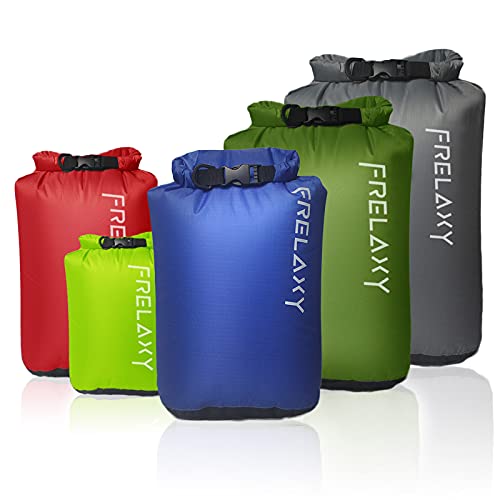
Storage also changes with the setting. A vehicle can hold reserve supplies, but anything left outside still needs protection from weather, animals, and theft. On a backpacking trip, divide essential gear among the group thoughtfully, keep critical items accessible, and protect sleeping gear from moisture. A tent organizer can help reduce clutter at either type of camp; see this guide to tent gear loft organizers for general organization ideas.
Choose a site and prepare in practical steps
- Define your access needs. Consider how far you can comfortably carry gear, whether anyone in your group needs accessible facilities, and how quickly you may need to reach a road or other help. Confirm accessibility details directly with the managing agency.
- Check rules and reservations. Look up permits, campsite limits, fire restrictions, pet rules, food-storage requirements, and current closures. Requirements differ among parks, forests, and other land managers. Follow the official guidance for the exact area and dates.
- Confirm water and sanitation plans. Find out whether drinking water and toilets are available and operating. If collecting natural water, use treatment methods recommended by public health guidance and the land manager. Do not assume a filter removes viruses; capabilities depend on the specific treatment method and device. Check its manual and use an appropriate method for local risks.
- Match supplies to conditions. Check the forecast and prepare for changes in temperature, rain, wind, and visibility. Pack shelter, sleep insulation, clothing, food, lighting, and navigation tools appropriate to the trip. For backcountry travel, leave a route and return plan with a trusted person and account for limited communications.
- Plan safe cooking and storage. Use cooking equipment only as its manufacturer instructs, outdoors in a suitable location. Never operate fuel-burning equipment inside a tent or enclosed shelter because carbon monoxide can build up. Store fuel, food, and waste according to product instructions and local rules.
- Recheck before departure. Review alerts, road or trail conditions, water availability, weather, fire restrictions, and permit details. Change plans if conditions or group needs exceed your preparation.
Common mistakes and important limits
A common mistake is treating “frontcountry” as synonymous with full service. Campgrounds can lack potable water, showers, cell coverage, or staff on site. Another is treating “backcountry” as a single type of trip. A short walk to a designated site differs from a multi-day route, and local terrain, weather, regulations, and access to help all matter.
Do not pack based only on distance. Water needs depend on conditions, exertion, health, and access to reliable sources. Do not plan to drink untreated water based on appearance. Do not rely on phone reception, a vehicle, or nearby campers as your emergency plan. In either setting, know how to contact local emergency services and what communication options are available, while recognizing that remote coverage may fail.
Careful storage and cleanup reduce avoidable problems, but they cannot guarantee wildlife will stay away. Follow official food-storage and waste instructions. For cleaning, equipment repair, electrical gear, and fuel use, follow the specific manufacturer’s manual as well as applicable park or land-manager rules. Stop using damaged equipment when its safe operation is uncertain; repair methods and materials are not interchangeable across all models or fabrics.
Frequently asked questions
Is car camping the same as frontcountry camping?
Often, but not always. Car camping commonly describes camping with a vehicle nearby. Frontcountry usually describes developed camping areas accessible by road. A vehicle-accessible site may still have few facilities, so check the site’s actual services and rules.
Do backcountry campers always need a permit?
No single rule applies everywhere. Some areas require permits or reservations; others do not. Check the official land-manager page for the route, campsite, season, and current restrictions before travel.
Which option works better for beginners?
A developed frontcountry campground can be a practical first trip because road access may make transport and changes of plan easier. Pick a site with services that match your needs, and learn basic shelter, weather, food-storage, and emergency practices. A beginner can also take a short backcountry trip, but should choose an appropriate route, understand local rules, and carry the supplies and skills it requires.
Can I bring the same gear to both?
Core needs overlap: shelter, sleep system, clothing, food, water planning, lighting, and first-aid supplies. Backcountry trips put more emphasis on low weight, compact packing, navigation, and self-sufficiency. Frontcountry trips can accommodate bulkier comfort items, but only if the site allows them and you can store and use them safely.