Reduce glare from a camping headlamp by tilting its beam down, choosing the lowest useful brightness, and avoiding direct light in anyone’s eyes. Use red light or a diffused beam when it suits the task, and switch the lamp off when you do not need it. These adjustments can make camp more comfortable without sacrificing visibility where you need it.
Glare comes from light entering your eyes directly or reflecting off nearby surfaces. A bright, narrow beam aimed at a person, tent wall, map, or wet ground can feel harsher than a wider, dimmer beam. Darkness also makes sudden bright light more disruptive because eyes have adapted to low light. Adjust the lamp before starting a task, then check what the beam hits from other people’s positions.
Set the beam angle and brightness
Start by pointing the lamp toward the ground a few feet ahead, not straight out at eye level. Many headlamps have a pivoting housing; lower it until the beam covers the walking surface or work area. Keep the light on the path when walking, and angle it toward your hands or gear for close tasks. A beam aimed down also reduces the chance of shining into another camper’s face.
Choose the lowest setting that lets you do the job safely. High output can create harsh contrast: the lit spot looks bright while surrounding areas seem darker. That contrast may make it harder to see beyond the beam. Use a low setting for nearby tasks, such as sorting gear, and a brighter setting only when you need to see farther or inspect a hazard. Return to a lower mode afterward.
Choose a mode for the task
A focused spot beam can be useful for looking down a trail, but it can produce a bright hotspot. A flood beam spreads light over a wider area and may feel less intense for close work, though it can still cause glare if aimed at faces or reflective surfaces. Try both modes at low output. The best choice depends on the task, surroundings, and headlamp design.
Red light can preserve more dark-adapted vision for some nearby tasks, such as finding an item inside a tent vestibule or reading a map. It is not a substitute for adequate white light when you need to identify trail obstacles, inspect equipment, or respond to an emergency. Red mode can also be hard for some people to use for detailed work. Follow the lamp manual for mode operation, and switch to a suitable white-light setting when needed.
If your lamp has a diffuser designed for that model, it can soften a concentrated beam for close-up tasks. Do not cover the lens with tape, fabric, paper, or other improvised material. Covers can trap heat, obstruct controls, affect the lamp’s output, or create a fire risk if they contact a hot component. Use only accessories the manufacturer says are compatible.
Reduce reflections around camp
Move the beam away from shiny or pale surfaces that bounce light back toward your eyes. Reflective cookware, glossy packaging, light-colored tent fabric, water, and wet ground can all create distracting reflections. When working with gear, rotate the item or shift your position instead of aiming the lamp directly at a reflective surface.
Keep your headlamp pointed down while speaking with other campers. If someone is looking at you, turn your head slightly away or use a handheld light aimed at the ground. At shared campsites, ask before using a high setting near others, and avoid shining a beam into neighboring campsites, vehicles, or shelters.
Inside a tent, use the lowest suitable setting and aim the lamp at your hands or the floor. Tent fabric can reflect light throughout the small space, making even a moderate setting feel harsh. Switch the lamp off before settling in or when another person is sleeping. Do not use a fuel-burning lantern, stove, or other combustion equipment inside a tent or enclosed shelter.
Fit, clean, and check the lamp
Adjust the headband so the lamp sits securely and the housing stays at the angle you set. A loose or poorly positioned lamp can bounce while walking and send light into your eyes or other people’s faces. Check the angle after putting on a hat or hood, since extra layers can change how the lamp sits.
Dust, smears, or water spots on the lens may scatter light and create halos. If the lamp needs cleaning, turn it off and follow its manual. Use only cleaning methods and materials the manufacturer allows; do not assume every lens coating or seal tolerates the same cleaners. If the lamp has been exposed to water, check the manual for drying and inspection instructions. Water resistance does not mean a lamp is safe to submerge or use in every condition.
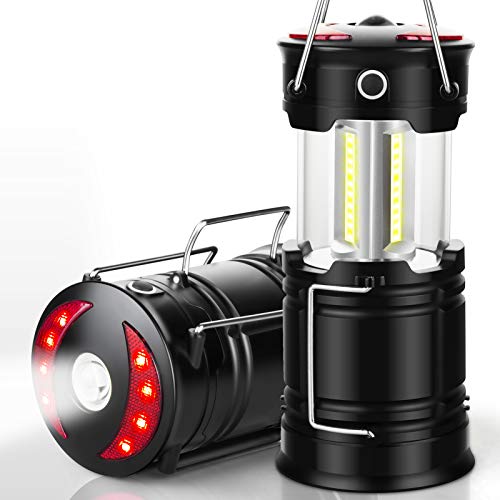
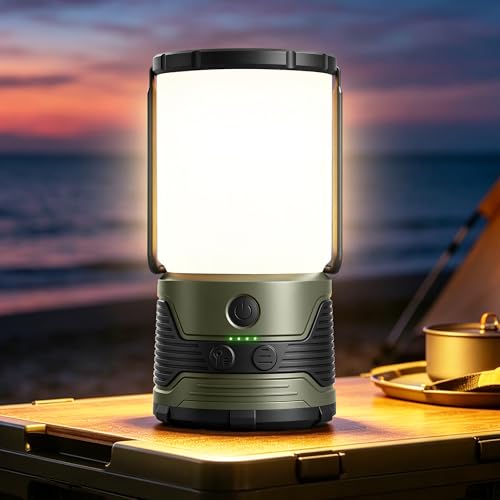
Check the battery before a night hike or other task where dependable light matters. Low battery can reduce output or cause a lamp to behave differently, depending on its design. Recharge or replace batteries according to the manual, and carry a backup light for trips where loss of illumination could create a hazard. For broader lighting choices around camp, see our guide to compact camping lanterns and camping lantern options.
Practical glare check
Before walking or starting a chore, take a moment to check the beam:
- Point the beam at the ground or work area, not at eye level.
- Lower brightness until you can see the task clearly without lighting more area than needed.
- Look for bright reflections from water, cookware, tent fabric, or wet surfaces.
- Ask a nearby camper whether the beam is reaching their eyes.
- Switch off the lamp when hands-free light is no longer necessary.
These checks do not replace good judgment. Low light can hide roots, rocks, animals, and other hazards. Use enough light to move safely, and follow trail, campsite, and local rules. If glare remains even after lowering brightness and changing the angle, stop and inspect the lamp rather than continuing with impaired vision.
Common mistakes and limits
Using maximum brightness for every task is a common mistake. More light can create more reflected glare and make nearby campers uncomfortable. Another mistake is aiming a beam at a person while talking; look toward the ground instead. Do not assume red light is always best, or that a flood beam cannot cause glare. Both depend on output, angle, distance, and surroundings.
Do not modify the lamp, open a sealed housing, or attempt electrical repair unless the manufacturer provides instructions for that model. A damaged housing, cracked lens, swollen battery, unusual heat, or repeated flickering calls for use to stop until you can follow the manual’s guidance. Do not charge a wet lamp or battery unless the manufacturer explicitly permits it. For camping power and lighting context, browse our Power and Lighting category.
Optional supporting equipment: a headlamp with adjustable angle and multiple modes can make it easier to select a beam for each task. Check the specific lamp’s manual for charging, water exposure, cleaning, and operating instructions.

Pros
- High 2000 lumen brightness
- Long 500 foot beam reach
- USB rechargeable with 15 hour runtime
- Lightweight at 2.65 oz
- IPX4 water resistant for wet conditions
Cons
- No motion sensor on this model
- Battery life varies with mode use
- Limited to 2 pack without additional options
Specifications
| Additional Features | Adjustable Focus, High Power, Impact and water resistance, Long Range, Rechargeable |
|---|---|
| Power Source | usb rechargeable headlamp |
| Light Source Type | LED |
| White Brightness | 2000 lumens |
| Voltage | 3.7 volts |
| Battery Type | Lithium Ion |
| Number of Batteries | 2 Lithium Polymer batteries required. (included) |
| Water Resistance Level | Waterproof |
| Battery Description | Lithium-Ion |
| Light Source Wattage | 5 watts |
Verify the current product variation before purchase; specifications may change.
Detailed Review
What stands out in the currently available product data:
- 2000 lumens of super bright LED light for long-range visibility up to 500 feet
- 6 lighting modes including spot, flood, and red light for adaptable use in various conditions
- USB rechargeable with up to 15 hours runtime on a single charge, reducing battery waste
- Lightweight at 2.65 oz with an adjustable, sweat-proof headband for comfortable extended wear
- IPX4 water-resistant with polyethylene coating for reliable performance in rain and rough handling
- Includes 2 headlamps and USB-C cable, ideal for sharing or backup during group trips
Best For / Avoid If
Best for buyers prioritizing
- High 2000 lumen brightness
- Long 500 foot beam reach
- USB rechargeable with 15 hour runtime
Consider another option if
- No motion sensor on this model
- Battery life varies with mode use
- Limited to 2 pack without additional options
Frequently asked questions
Does red light prevent headlamp glare?
Red light may feel less disruptive for some nearby tasks, but it does not eliminate glare. Aim it away from eyes, use a low setting, and switch to white light when better detail or visibility is needed.
Should I use a spot or flood beam?
Use a spot beam when you need to see farther, and a flood beam for a wider nearby area. Either can cause glare if too bright or aimed toward eyes or reflective surfaces. Try the lowest useful setting for the task.
Can I put tape over the headlamp to soften it?
Avoid improvised covers. They can trap heat, interfere with the lamp, or create other hazards. Use a compatible diffuser only if the manufacturer approves it.
Why does my headlamp still glare at low brightness?
The beam may be aimed at a reflective surface, the lens may be dirty or damaged, or the lamp may sit at the wrong angle. Redirect the beam and inspect or clean the lamp using its manual. Stop using it if damage or unusual operation continues.