
We Recommend a Careful, Low-Stress Way to Dry Camp Chairs
Drying a padded camping chair takes more than wiping its surface. Use airflow, patience, and careful storage to limit lingering moisture and mildew risk.
We independently review everything we recommend. When you buy through our links, we may earn a commission. As an Amazon Associate we earn from qualifying purchases.
Browse every published review, comparison, and buying guide. Newest research appears first, with older guides available through the numbered pages below.
Page 10 of 30
Drying a padded camping chair takes more than wiping its surface. Use airflow, patience, and careful storage to limit lingering moisture and mildew risk.
Pack chilled food in layers, protect delicate items, and keep the cooler closed during travel. This guide covers safe preparation, packing order, and practical cooler-bag limits.
A torn or missing chair bag makes transport awkward and can leave fabric exposed to dirt. Measure your folded chair, check the opening, and choose a replacement that matches how you camp.
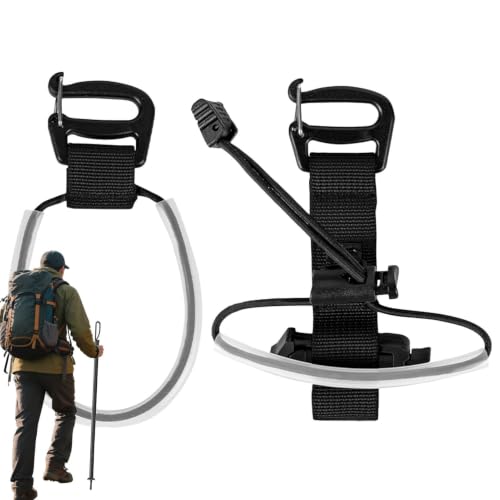
Secure trekking poles so they stay accessible without swinging into your legs or catching on brush. Learn attachment options, fit checks, and trail adjustments for different packs.
A solo tent must fit both hiker and dog without making every mile harder. Compare floor space, weather protection, ventilation, and packed weight before choosing.
A folding camping chair can wobble because its legs sit unevenly, its frame is loose, or its fabric is not fitted correctly. Use these checks to identify the cause before replacing the chair.
A tent for one hiker and a dog needs enough usable floor space without becoming an unreasonable pack burden. These OneTigris options differ most in season rating, listed weight, and reported waterproof coating.
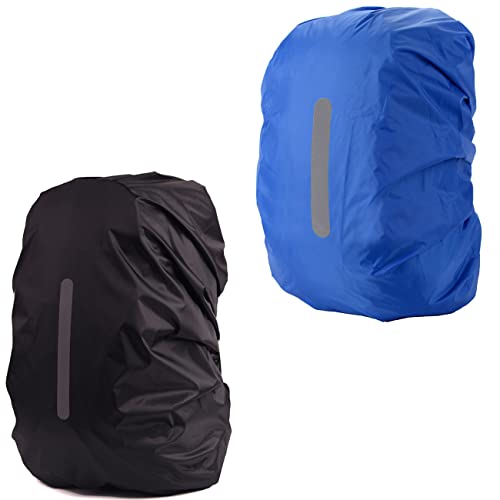
A backpack rain cover sheds rain, snow, dust, and trail grime from the outside of your pack. Learn when it helps, where it falls short, and how to choose a secure fit.
Packing winter clothing in layers helps you adjust insulation as activity and weather change. This guide covers fabric, fit, spare clothes, and practical packing choices for camp.
Separate food from drinks to reduce warm-air exposure and make camp meals easier to organize. This guide covers cooler roles, ice management, food safety, and when a second cooler helps.
A balanced overnight pack keeps essentials accessible without making the walk harder than necessary. Use this packing sequence to manage weight, weather exposure, and camp needs.
Low voltage protection can stop a 12V camping fridge from draining a vehicle battery too far. Learn what the cutoff does, what it cannot protect, and how to troubleshoot power interruptions.
A simmer control valve lets you adjust stove output below its usual cooking flame. Learn how it differs from a fuel adapter, what to check, and when replacement may be appropriate.
A tent vestibule creates covered space outside the sleeping area for entry, gear, and weather protection. Learn how to use one without blocking airflow or bringing unsafe cooking practices inside.
Store raw meat in leakproof packaging at the bottom of the cooler, below ready-to-eat food. Keep the cooler at 40°F or colder, and use a separate cooler when practical.
Measure the porch’s usable floor area and the table’s full setup footprint, including legs and nearby access space. Compare those measurements before packing, then check the fit with the tent assembled.
Quart capacity describes the cooler’s stated internal volume, not how many quarts of food or drinks it can hold in every packing setup. Learn how to convert quarts to cans, estimate usable space, and choose a size for camping.
Lubricate folding chair joints with a small amount of material-compatible lubricant, keeping it off fabric. Learn how to clean, apply, test, and maintain joints safely.