Why Solar Panels Charge Slowly, and What You Can Check
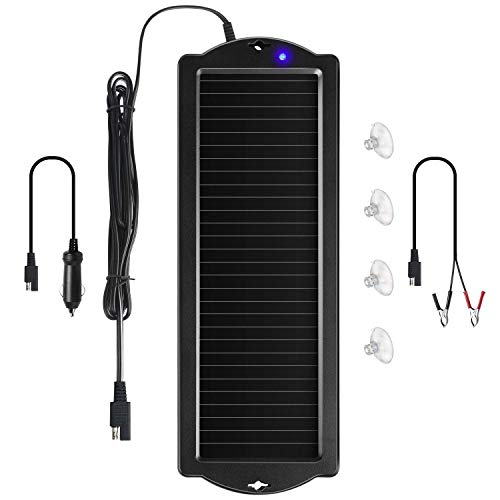
A solar panel’s rated output is a peak figure, not a promise of constant charging speed. Learn how sunlight, placement, wiring, and battery condition affect real-world results.
We independently review everything we recommend. When you buy through our links, we may earn a commission. As an Amazon Associate we earn from qualifying purchases.
Browse every published review, comparison, and buying guide. Newest research appears first, with older guides available through the numbered pages below.
Page 9 of 30
A solar panel’s rated output is a peak figure, not a promise of constant charging speed. Learn how sunlight, placement, wiring, and battery condition affect real-world results.
A reliable camp coffee routine depends on matching your brewer to your group, pack space, and cleanup needs. Learn how pour over, heat sources, and grind choices affect the cup.
Ice often disappears early because heat enters through the lid, warm contents, sunlight, or repeated opening. Use these checks to find the cause and keep food safely cold.
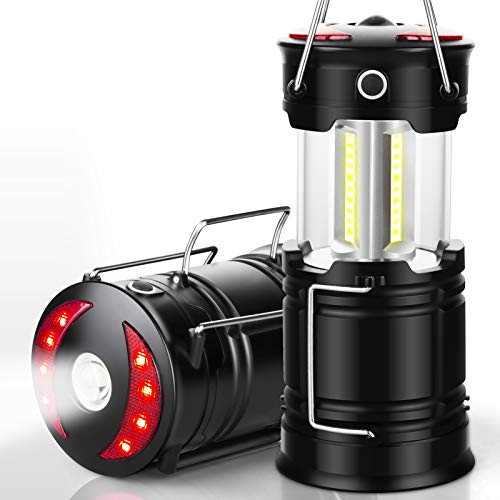
An IP rating shows how a lantern enclosure is tested against dust and water intrusion. Learn what the code can and cannot tell you before choosing camp lighting.
Expired supplies may lose effectiveness, while damaged packaging can make usable-looking items unsuitable. Use this inspection routine to identify, replace, and maintain first aid kit contents.
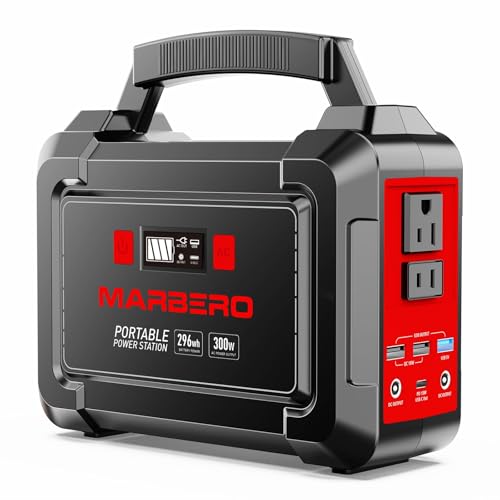
Good storage habits help reduce avoidable battery wear between outings. Keep your power station clean, dry, safely charged according to its manual, and easy to inspect.
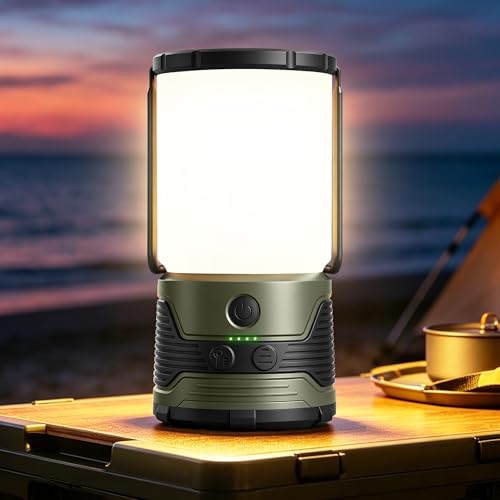
A rechargeable lantern can lose power sooner than expected because of high brightness, cold conditions, battery age, or incomplete charging. Use these checks to identify likely causes and choose lighting that fits your campsite routine.
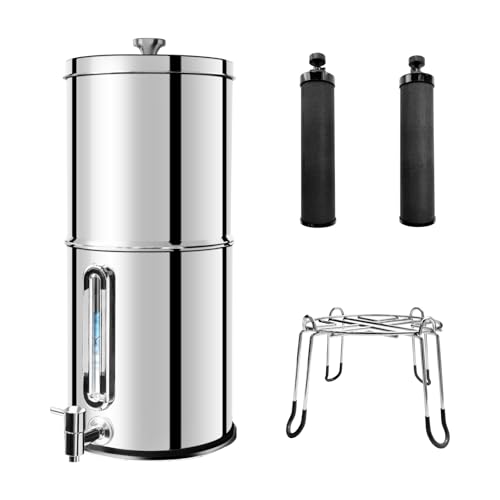
Drying and storing a camping water filter correctly can help prevent avoidable damage between trips. Follow manufacturer instructions first, especially for hollow-fiber filters that may be damaged by freezing.
A first camping trip works better when beginners know what to expect and have manageable jobs. Use this guide to choose a suitable campsite, coordinate gear, and prepare a simple plan.
Slow gravity-filter flow often points to clogged media, trapped air, or a setup issue. Diagnose the cause before cleaning, replacing filters, or changing systems.
Compact 12V fridges can keep perishables cold without taking over your cargo area. Compare capacity, power needs, and dimensions before choosing one for your vehicle and trip.
Organize camping first aid supplies by injury type, access speed, and storage conditions. Use this guide to build a kit suited to your group, trip length, and medical needs.
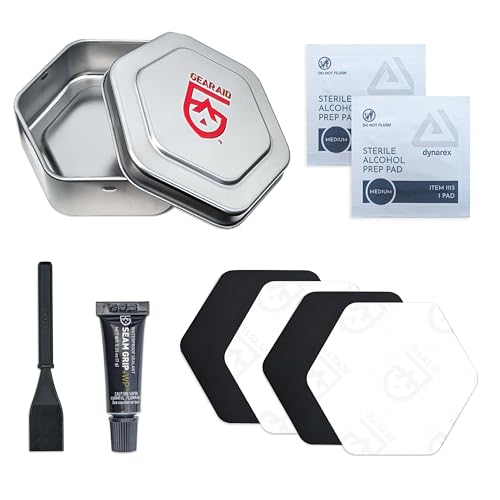
A useful camping repair kit matches likely failures, trip length, and repair time. Pack compatible materials, protect them from moisture, and know when damaged gear needs replacement.
Bear bags and bear canisters store food, but they work differently and follow different rules. Choose based on local wildlife requirements, campsite setup, group size, and whether you can hang food correctly.
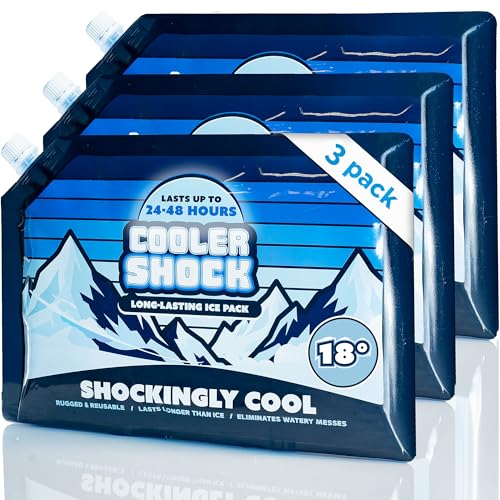
Pack ice packs around food strategically, keep the cooler closed, and manage raw ingredients separately. This guide explains a practical setup for weekend car camping and the limits of reusable packs.
A camping chair that sinks usually needs a wider, more stable contact surface under its feet. Learn how to assess ground, choose a support, and avoid fixes that shift or create trip hazards.
A dirty cooler drain plug can slow drainage, trap odors, or leak after cleaning. Use a gentle cleaning routine, inspect the seal, and replace parts only when needed.
A family of five needs more than a high-capacity label: sleeping space, gear storage, ventilation, and weather protection all matter. Compare three cabin tents by layout and documented features before choosing for your trips.