How to pack a backpack for an overnight hike depends on weather, route, water access, and what your shelter and sleep system require. Pack by need and access, then adjust the load for your own body and planned conditions.
Start with a gear list and check each item against the forecast, trip rules, and reliable water sources. For day-hike pack fit and capacity context, see this guide to hiking daypacks; overnight loads usually require more space.
Choose Load and Pack Capacity Around Your Gear
List shelter, sleep system, food, water, clothing, navigation, and safety items before choosing pack capacity. A pack should hold necessary equipment without forcing gear onto the outside where it can snag, get wet, or shift.
Capacity alone does not determine comfort. Pack fit, torso length, hip belt shape, load distribution, and the packed dimensions of your sleeping bag all affect whether a loaded pack carries well.
Build a Stable Load from Heavy Items
Place dense items close to your back and centered between your shoulders and hips, following your pack maker’s guidance. This keeps weight from pulling backward and can reduce awkward movement on uneven ground.
Keep the load balanced left to right, and avoid leaving large empty gaps that let equipment shift. Fill gaps with soft items such as spare clothing, but do not compress fragile gear or block access to essentials.
Separate Camp Gear from Items Needed on Trail
Store sleeping and shelter equipment deeper in the main compartment if you expect to use them only at camp. Put rain protection, snacks, navigation tools, and first aid where you can reach them without unpacking everything.
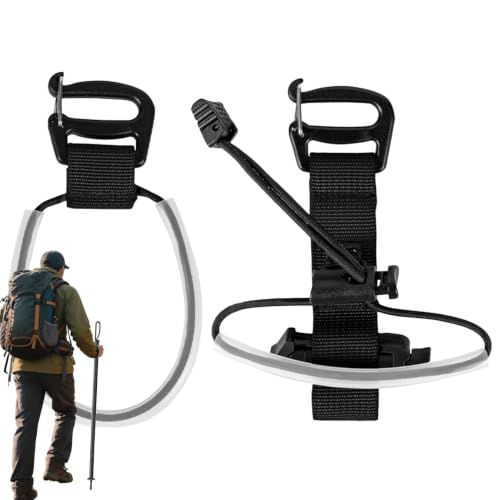
Use pockets deliberately and check that closures stay secure while walking. Trekking poles may attach to compatible external loops, but confirm they cannot swing into other hikers or catch vegetation on narrow trails.
Protect Gear from Rain and Condensation
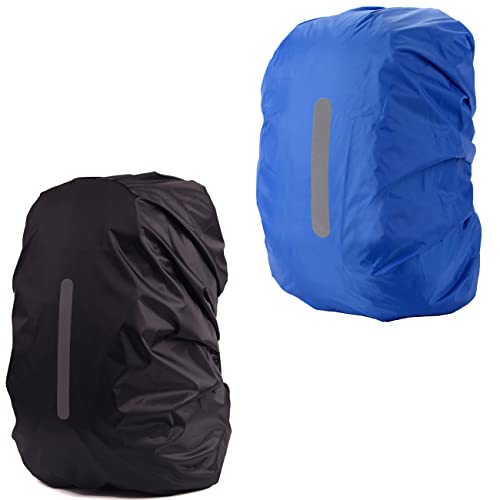
Line the main compartment with a pack liner or use dry bags for items that must stay dry, especially insulation and spare clothing. A pack’s fabric or rain cover may shed some precipitation but should not be treated as a guarantee against prolonged rain.
Keep wet shelter components separate from dry sleep gear when practical. In humid or cold conditions, condensation can dampen equipment even when rain does not enter the pack, so air and dry gear when conditions allow.
Plan Water, Food, and Fuel Safely
Carry water according to route length, temperature, exertion, and confirmed refill opportunities. Water is heavy, so do not assume a map symbol or seasonal stream will provide safe, flowing water; check current local information and bring suitable treatment.
Pack meals in a way that prevents leaks and keeps food accessible during breaks. Follow local food-storage rules, and keep stove fuel secured upright when its container instructions require it; separate fuel from food and items vulnerable to spills.
Fit the Pack and Test It Before Departure
Adjust shoulder straps, hip belt, and load lifters according to the pack’s fit instructions. The hip belt should carry much of the load when designed to do so, while shoulder straps stabilize rather than painfully compress the shoulders.
Walk with the complete load on familiar, low-consequence terrain before the trip. If pressure points, shifting, or difficult access appear, change one packing choice at a time and reassess rather than adding gear to solve discomfort.
Why You Should Trust Us
We base this guide on general backpacking practices and the trip details readers can verify: route, forecast, water access, gear dimensions, and pack-maker fit instructions. The supplied product information identifies a wild-edibles book, not a backpack, so it does not support claims about pack performance or equipment testing.
We do not claim hands-on testing or treat a single packing layout as universal. Pack designs and personal needs differ; use manufacturer instructions and local land-manager guidance where conditions, food storage, or fire restrictions matter.
Final Thoughts
The most dependable packing method starts with essentials, places dense gear close to your back, and protects insulation from moisture. No supplied backpack product details support naming a best overall, best value, or specialized pack recommendation, so those distinctions would be misleading.
The listed book, The Scout’s Guide to Wild Edibles, concerns foraging rather than pack fit or overnight load organization; it is not a backpack recommendation. Review route-specific food rules and do not eat wild plants unless identification is certain and local guidance permits harvesting.
For a practical final check, carry the fully loaded pack around before departure and confirm that essentials remain reachable. If fit problems persist after careful adjustment, consult a qualified outdoor retailer or the pack manufacturer instead of accepting pain as normal.
FAQs
How should a backpack sit for an overnight hike?
Follow the pack maker’s fitting instructions and adjust the hip belt, shoulder straps, and load lifters in sequence. Fit depends on pack design and body dimensions, so seek help if adjustment leaves persistent pressure or instability.
What should go at the bottom of an overnight hiking pack?
Items needed only at camp, such as a sleeping bag, often fit low in the main compartment. Keep them protected from moisture and avoid placing hard, dense objects where they create pressure against your back.
Where should heavy items go in a hiking backpack?
Place dense items close to your back and centered, while maintaining left-to-right balance. The ideal vertical position varies with pack design and terrain, so check manufacturer guidance and test the loaded pack.
How do I keep clothes dry inside a backpack?
Use a pack liner or dry bags for insulation and spare clothing, then separate wet gear when possible. Rain covers can help but may leave areas exposed during wind-driven or prolonged rain.
How much water should I carry overnight?
There is no single amount for every route. Consider heat, exertion, distance, and dependable refill points, and carry a treatment method suitable for the water sources you expect to encounter.
Should I attach gear to the outside of my pack?
Attach only gear that fits secure, purpose-built points and cannot swing, snag, or fall. Keep critical equipment protected and avoid overloading exterior loops, which can destabilize the load.
How can I reduce pack discomfort before an overnight hike?
Check fit, balance, strap adjustment, and unnecessary items separately. Test the complete load on an easy walk; persistent pain, numbness, or instability calls for professional fitting advice or equipment changes.
What should I check before leaving on an overnight hike?
Confirm weather, route conditions, water availability, food-storage requirements, and any local restrictions. For younger campers’ broader equipment needs, consult this kids’ camping gear guide, then tailor choices to the actual hike.