Measure usable space, then plan around ice
To measure cooler capacity for meal planning, measure the inside length, width, and height, multiply those dimensions to find interior volume, then convert cubic inches to quarts by dividing by 57.75. Treat that result as a rough maximum: food containers, ice, and the cooler’s shape reduce usable space. For a reliable plan, measure the space your packed food occupies and reserve room for ice before deciding whether everything fits.
Cooler capacity labels usually describe total volume, not the amount of food a cooler can hold while keeping it cold. A cooler marked in quarts may fit fewer quarts of groceries because ice takes up space and irregular corners prevent perfect packing. Meal planning works best when you distinguish advertised capacity, measured interior volume, and actual usable packing space.
Measure interior volume
Use a tape measure and record dimensions inside the cooler, not its outside dimensions. Measure the length and width at the base, then measure interior height from the floor to the underside of the closed lid. If the walls taper, the lid slopes, or the floor is raised, one set of measurements will overstate capacity. Take measurements at several points and use smaller dimensions for a cautious estimate.
- Inches to quarts: length × width × height in inches ÷ 57.75 = approximate US quarts.
- Inches to gallons: length × width × height in inches ÷ 231 = approximate US gallons.
- Centimeters to liters: length × width × height in centimeters ÷ 1,000 = approximate liters.
For example, an interior measuring 18 × 12 × 12 inches has a simple rectangular volume of 2,592 cubic inches. Dividing by 57.75 gives about 44.9 quarts before accounting for curves, baskets, a drain channel, ice, or food packaging. This calculation is an estimate, not a replacement for a manufacturer’s stated capacity. Differences between your estimate and a label can result from measurement points, shape, or the manufacturer’s measurement method.
If the cooler has an unusual shape, measure sections separately. Calculate the volume of each roughly rectangular section and add them. For a quick practical check, place empty meal containers or sealed packages inside and observe how much room they take. That packing test often gives a more useful answer than trying to model every curved wall.
Estimate space meals and ice will need
Start with a menu for each person and each day. Include breakfast, lunch, dinner, snacks, and drinks that need refrigeration. Group ingredients by meal, then decide which foods can stay shelf-stable and which need cold storage. Remove unnecessary outer packaging when appropriate, but keep food sealed, labeled, and protected from leaks or cross-contamination.
Estimate packed food volume using the actual containers you plan to bring. Put meal components in those containers, then measure or compare their combined dimensions. Rectangular containers stack more efficiently than loose bags and oddly shaped packages. Leave room to reach food without unpacking the entire cooler, especially for items needed early in the day.
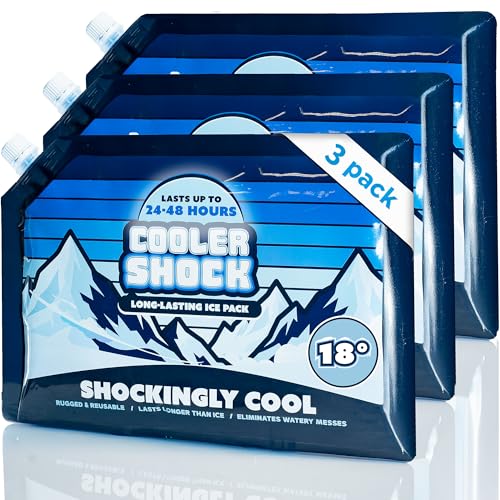
Next, reserve space for ice or cold packs. There is no single ice-to-food ratio that fits every trip: required ice depends on trip length, outdoor temperature, cooler insulation, how often the lid opens, and whether contents begin cold. Use the cooler manual and food-safety guidance for your plan. A short trip with pre-chilled food may need less cooling material than a longer trip in hot weather. Do not count the cooler’s entire interior as food capacity.
Plan for drinks separately if they will be accessed often. Opening the food cooler repeatedly can warm its contents, so some campers use a separate drink cooler. If using one cooler, place frequently needed drinks where they are easy to reach and account for their volume in your estimate.
Pack and check before departure
- Chill food and drinks before packing; a cooler is not a substitute for rapid chilling.
- Pack food in meal order, with items needed first easiest to reach.
- Keep raw meat sealed and separated from ready-to-eat food; follow current food-safety guidance for storage and temperatures.
- Use a thermometer to monitor cold-storage temperature when needed. Follow applicable food-safety guidance, especially for perishable foods.
- Close the lid fully, keep the cooler shaded when practical, and limit lid-open time.
- Check drainage and transport instructions in the cooler manual. Secure the cooler during travel.
Do a trial pack at home. Arrange food, ice, and cold packs as planned, close the lid, and check that nothing prevents a proper seal. If the lid will not close or food is difficult to retrieve, reduce the load, repack, or use another cooler. Keep a small reserve of space for meal changes or unexpected packaging; a tightly packed cooler with no practical access can make campsite food handling harder.
For trips lasting several days, review the meal plan and cooling needs for each day rather than assuming one capacity number guarantees enough storage. Perishable food may require a replenishment or replacement plan. Outdoor heat, repeated access, and limited ice availability can change how long a cooler maintains safe temperatures. Use local food-safety guidance and the cooler manufacturer’s instructions.
Common measurement mistakes
- Measuring outside: Exterior dimensions include insulation and overstate interior room.
- Using lid height: Measure usable height with the lid closed, not the full height of an open lid.
- Ignoring taper: A cooler may be wider at the top than at the base. Measure where food will sit.
- Counting every quart as food space: Ice, containers, and inaccessible gaps reduce usable volume.
- Planning by package count: Number of cans or bottles does not predict space for mixed meals and irregular items.
- Forgetting access and temperature: A cooler that technically holds everything may still be difficult to organize or keep cold under actual trip conditions.
Limits of a capacity estimate
Volume calculations estimate space, not cooling performance. They cannot tell you how long ice will last, whether a cooler will maintain a safe food temperature, or how much food fits in a particular packing arrangement. Insulation, seal condition, ambient temperature, loading temperature, ice type, and access habits all matter. Check the cooler manual for use, cleaning, drainage, and care instructions. Follow official food-safety guidance for perishable food, and check local requirements where applicable.
Optional supporting equipment: planning cooler capacity for a five-day camping trip may also help compare trip-specific storage needs. For broader cooler topics, see the Coolers and Refrigeration category.

Igloo Polar 120 Qt Hard Cooler with UV Protection
Pros
- Holds 188 cans
- Lightweight for a 120-quart cooler
- UV-inhibited lid resists sun damage
- Stain- and odor-resistant liner
- Threaded drain plug for hose hookup
Cons
- Lid feels light and less rigid
- Ice retention trails premium rotomolded coolers
- No wheels for this large size
Specifications
| Brand Name | Igloo |
|---|---|
| Included Components | Cooler |
| Recommended Uses For Product | Camping |
| Model Name | Polar-Igloo |
| Team Name | Igloo |
| League Name | NCAA |
| UPC | 034223445775 |
| Number of Items | 1 |
| Global Trade Identification Number | 00034223445775 |
| Unit Count | 1 Count |
Verify the current product variation before purchase; specifications may change.
Detailed Review
What stands out in the currently available product data:
- UV-inhibited lid resists sun damage and helps prevent the plastic from becoming brittle after long days outdoors.
- Stain- and odor-resistant liner wipes clean easily, so fish, marinades, or spilled drinks don't leave a lasting smell.
- Threaded drain plug connects to a standard garden hose for quick, controlled draining and cleanup.
- Reinforced swing-up handles with tie-down loops make it easier to lift, carry, and strap down in a truck or boat.
- Dual snap-fit latches secure the lid, and the snap-lock child safety latch adds peace of mind around kids.
- Lightweight construction for a 120-quart cooler, so you can move it when full without needing a second person.
Best For / Avoid If
Best for buyers prioritizing
- Holds 188 cans
- Lightweight for a 120-quart cooler
- UV-inhibited lid resists sun damage
Consider another option if
- Lid feels light and less rigid
- Ice retention trails premium rotomolded coolers
- No wheels for this large size
FAQs
How many meals fit in a 50-quart cooler?
There is no fixed meal count. Meals vary in size, packaging, drink volume, and ice needs. Measure your packed containers and cooling material, then test-fit them in the cooler. Use the labeled capacity as a general size reference, not a food-only allowance.
Should I include ice when calculating cooler capacity?
Yes. Ice or cold packs occupy interior volume, so subtract their space from the rough total before estimating room for food and drinks. How much cooling material you need depends on trip and weather conditions, cooler performance, and access frequency.
Is cooler capacity measured in quarts or cans?
Cooler capacity is commonly stated in quarts or liters. Some listings also give an approximate can count, but that count describes a particular arrangement and may not represent usable space for food, ice, or mixed-size packages.
Can dimensions tell me how long a cooler will keep food cold?
No. Dimensions estimate volume, not cooling duration or food safety. Follow the cooler manual and current official food-safety guidance, and use a thermometer when temperature monitoring is needed.