Inspect every piece of hiking gear before an overnight trip: check for damage, test how it works, and confirm you have all parts and supplies. Do this at home, with enough time to repair or replace anything unreliable. Pack only gear suited to your route, forecast, group, and expected conditions.
Start with a complete gear check
Lay out equipment by use: backpack, shelter, sleep system, clothing, navigation and communication, lighting, food and water equipment, and first aid. Compare items against your trip plan and the packing list you normally use. Check that essential items are present, not merely that their storage bags are full.
Look over each item in good light. Check seams, fabric, straps, closures, buckles, zippers, cords, poles, and connectors. Look for tears, cracks, corrosion, loose stitching, missing pieces, sticky or jammed parts, and signs of pests or moisture. A small defect can become harder to manage when you are tired, cold, or far from help.
Check backpack and carrying system
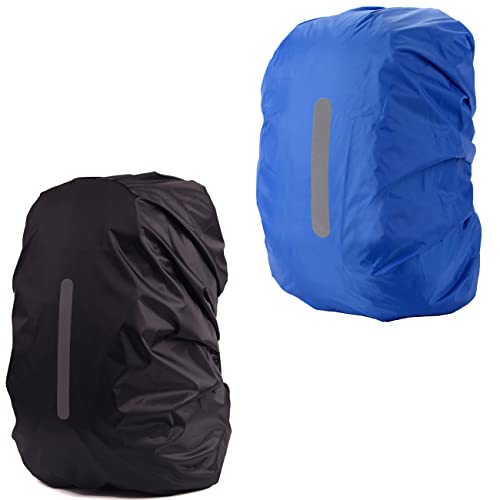
Inspect pack fabric, seams, bottom panel, attachment points, and any rain cover. Pull gently on shoulder straps, hip belt, load lifters, sternum strap, and compression straps. Check buckles for cracks and make sure adjustment webbing slides and holds. Open every zipper fully; remove grit from teeth and verify sliders do not separate the track.
Load the pack with your planned trip weight and adjust it over the clothing you expect to wear. Walk around, step up and down, and bend to check for shifting, rubbing, or pressure points. Tighten loose straps and move heavy items close to your back. If stitching, a buckle, or a strap attachment is failing, do not assume a heavily loaded pack will hold. Use a repair only if its instructions support that pack material and damage.
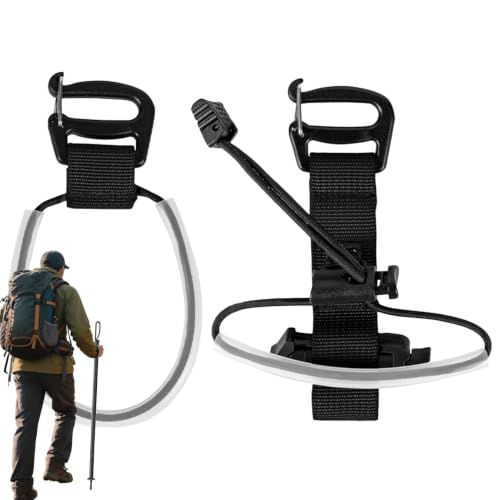
If you use poles, extend and lock them according to their instructions, then check tips, baskets, straps, and locking parts. Do not lean your full weight on a pole to test it. For additional pole inspection guidance, see trekking poles for trail use.
Set up and inspect shelter and sleep system
Pitch your tent at home or in another permitted place. Confirm that all poles, clips, stakes, guylines, and required parts are present. Check pole sections and connectors for cracks or bends, fabric and mesh for holes, seams for separation, and zippers for snags. Close doors and vents, then check that tension points hold without excessive strain. A quick visual check alone may miss a leak or a setup problem.
Check a sleeping bag or quilt for damaged closures, torn fabric, broken attachment points, and dampness. Follow its care label and manufacturer instructions; cleaning methods vary by fill and construction. Unroll the sleeping pad, inspect its surface and valve, and inflate it using the method the manufacturer allows. Leave it inflated for a while and check for pressure loss. Do not use a pad with a leak you cannot find or repair reliably for expected conditions.
Test clothing, footwear, and essential tools
Try on hiking shoes or boots with your trip socks. Check tread and soles for separation, loose eyelets, worn laces, and damage around the heel or toe. Walk in them with a loaded pack if they are new or recently repaired. Do not start an overnight trip in footwear that causes persistent rubbing or pain. Check rainwear for damaged closures, torn fabric, and blocked or sticky zippers; follow care instructions for cleaning or restoring its finish.
Check insulating layers, socks, gloves, and spare clothing for holes, dampness, and closures that no longer work. Pack clothing for forecast uncertainty, not only the departure temperature. Inspect headlamp straps and controls, then test the light with its intended batteries or a full charge. Carry the backup power your plan requires, and protect batteries from moisture and accidental activation.
Verify navigation, communication, and first aid
Check that map, compass, or navigation device covers your route and still works. Confirm offline maps are downloaded if your phone plan depends on them; do not assume cellular service will be available. Check device charge, cables, spare batteries, and emergency communication equipment according to its manual. Make sure you know how to use the equipment before relying on it.
Open your first-aid kit and check that supplies are clean, dry, and present. Replace expired or damaged items where appropriate, and include personal medication and supplies for known needs. Keep medicines in their original labeled packaging when practical and follow storage directions. Pack a repair kit with items suited to your own equipment, but do not treat tape or cord as a universal fix for structural damage.
Inspect water and cooking equipment safely
Check bottles, reservoirs, hoses, caps, and bite valves for cracks, leaks, residue, or odors. Clean and dry them according to manufacturer directions and applicable public-health guidance. Inspect filters or treatment devices for damage, missing parts, and service limits. Follow the product instructions and local water guidance; do not assume a filter removes viruses unless its supplied documentation specifically supports that claim. Carry a backup treatment method appropriate to the route and water risks.
For a stove, inspect the fuel container, connector, hose, seals, and controls for damage, contamination, or leaks. Follow the stove and fuel manufacturer’s inspection, transport, and operating instructions, plus local fire restrictions. If you suspect a leak or see damage, do not use the stove; follow its manual or contact the manufacturer for guidance. Test fuel-burning equipment only outdoors in a permitted, well-ventilated location, away from tents and enclosed shelters. Never operate it inside a tent or enclosed shelter.
Check conditions and finish packing
Before departure, check current weather, trail conditions, access notices, fire restrictions, and local rules through the responsible land manager or official source. Change plans if conditions exceed your skills or equipment. Review wildlife guidance for food storage and waste handling where you will camp; methods and requirements differ by location. Keep food and scented items stored as local rules direct.
Pack a few essential items where you can reach them quickly, including navigation, rain protection, water treatment, and first aid. Protect items that must stay dry, and secure loose straps so they do not snag. Weigh or carry the finished pack once more. If you want to review pack features before a separate day hike, see this daypack overview; an overnight pack still needs to fit your own load and route.
Common inspection mistakes
- Checking gear only by sight. Operate closures, inflate pads, pitch shelters, and test devices.
- Testing equipment without its real load or expected clothing. Fit and comfort can change under trip conditions.
- Assuming old repairs, batteries, or treatment supplies still work. Check them before each trip.
- Attempting an unfamiliar repair right before departure. Repair compatibility and safe methods depend on material, model, and damage.
- Ignoring changed forecasts, local restrictions, or official advisories. Gear checks do not replace route and risk planning.
Frequently asked questions
How soon before the trip should I inspect my gear?
Do a full check several days ahead when possible. That leaves time to clean, replace, or get advice about damaged equipment. Repeat a quick check while packing.
Should I take gear with a small tear or broken buckle?
Only if the repair is appropriate for that model and damage and you can rely on it for expected conditions. Follow manufacturer instructions. Leave equipment behind or change plans if a defect affects safe use or essential function.
How do I check whether a water filter is suitable?
Read its manual and supplied performance information, check condition and service limits, and compare those claims with local water risks. Do not infer virus removal from the word “filter.” Use official local guidance when water quality is uncertain.
Do I need to test every piece of gear before each trip?
Inspect all gear before every overnight trip. Test items that must function, such as shelter, sleeping pad, lighting, navigation, communication, and water-treatment equipment. Recent use does not confirm that equipment remains undamaged or complete.