Clean a muddy hiking backpack by emptying it, letting thick mud dry enough to brush away, then washing the affected areas with cool water and mild soap. Check the manufacturer’s care instructions first, avoid a washing machine unless the maker permits it, and air-dry the pack completely before storing it.
Gentle cleaning helps remove grit without needlessly stressing fabric, seams, coatings, foam, or zippers. Use the steps below as general guidance; materials and construction vary, so the pack’s label or manufacturer instructions take priority.
What you need before cleaning
- Soft brush or clean cloth
- Cool or lukewarm water
- Small amount of mild, non-bleach soap
- Clean sponge or soft cloth for washing
- Towel and a ventilated place to air-dry
Skip bleach, fabric softener, solvents, strong stain removers, and abrasive scrubbers unless the manufacturer specifically approves them. These can damage fabric, finishes, or components. Do not assume a product labeled “waterproof” can tolerate any cleaner or cleaning method.
Step-by-step: clean mud from your backpack
1. Empty every pocket and check the care instructions
Remove food, trash, maps, electronics, and other gear. Open all compartments and shake out loose grit. Take out a detachable frame, hip belt, rain cover, or other removable part only if the manufacturer says it can be removed. Keep hydration reservoirs and hoses separate; follow their own cleaning instructions.
Look for a care label or model-specific instructions on the maker’s website. Check whether the pack has a water-repellent finish, coated fabric, leather, foam, or a rigid frame. If the label says spot-clean only or gives a specific method, follow it instead of general advice.
2. Let thick mud dry, then brush it off
If mud is caked on, let it dry until it no longer smears easily. Brush it away gently with a soft brush, working from the fabric surface toward seams and pocket edges. Avoid hard scraping or forceful brushing: grit can abrade fabric, while sharp tools can cut it.
For wet mud, lift off the excess with a cloth or the edge of a soft sponge. Do not grind mud deeper into the weave. Brush zippers lightly and keep dirt from being pushed into their teeth.
3. Spot-clean with mild soap and cool water
Mix a small amount of mild soap into cool or lukewarm water. Test the solution on a discreet area first, especially if the fabric is colored, coated, or unfamiliar. If the color transfers or the surface changes, stop and check the manufacturer’s guidance.
Dampen a clean cloth or soft sponge and gently wipe muddy areas. Use light pressure and work in small sections. For straps, padding, and seams, wipe rather than soaking them. A soft toothbrush can help reach dirt around zipper edges, but use it gently and avoid pulling on loose threads.
Clean the inside only where needed. Wipe crumbs or dirt from the lining with a damp cloth, and do not pour water into pockets or compartments. If mud has reached the back panel or shoulder straps, clean those areas too; sweat and dirt left there can contribute to odor.
4. Wipe away soap residue
Use a separate cloth dampened with clean water to wipe each washed area. Repeat until no visible suds or slick residue remain. Leftover soap can attract dirt or irritate skin where straps touch your shoulders. Avoid rinsing the whole pack under strong water pressure unless the manufacturer allows it.
5. Air-dry fully before packing or storing
Open every pocket, loosen straps, and hang the pack or set it in a shaded, well-ventilated place. Keep it away from direct sunlight, radiators, hair dryers, and other strong heat sources, which may affect fabric, coatings, or foam. Turn it as needed so damp areas can dry.
Check seams, pocket corners, padding, and the bottom of the pack for lingering moisture before closing it. Drying time depends on the pack and conditions; do not store it damp. Damp storage can lead to odor or mildew. If a musty smell or visible mold remains after cleaning, consult the manufacturer about safe treatment rather than mixing cleaners or applying harsh chemicals.
Practical checks after cleaning
- Run each zipper gently. If it catches, remove visible dirt with a soft brush; do not force it.
- Check seams, straps, buckles, and attachment points for damage. Cleaning cannot repair a torn seam or worn buckle.
- Confirm removable parts are dry before reinstalling them.
- If the pack’s water resistance seems reduced, check the maker’s care guidance for its fabric and finish. Do not apply a treatment unless it is suitable for that specific material.
- Keep a rain cover separate to dry after use, following its own care instructions.
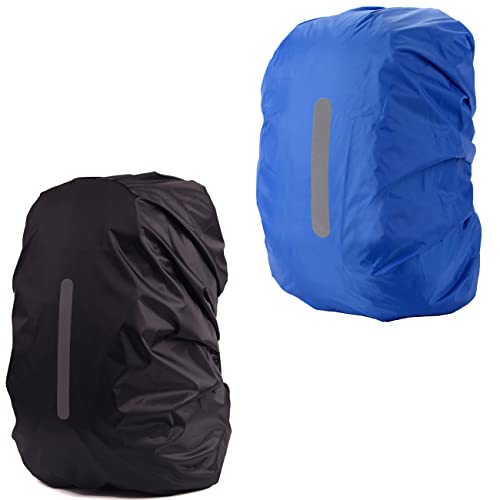
A rain cover can help shield a pack from wet trail conditions, but it does not remove the need to clean mud off afterward. For day-hike pack features and organization, see our hiking daypack overview. If you carry a reservoir, our guide to hydration backpacks for day hikes offers related pack context.
Common cleaning mistakes
- Machine-washing without approval: Agitation, water temperature, and detergent may damage structure or finishes. Follow the pack maker’s instructions.
- Using hot water or strong chemicals: Heat and harsh cleaners can harm materials. Choose cool water and mild soap unless the maker specifies otherwise.
- Scrubbing aggressively: Hard brushes and scraping can wear fabric, damage coatings, or snag threads.
- Leaving soap behind: Residue can attract grime. Wipe washed areas with clean water.
- Putting the pack away damp: Moisture trapped in compartments or padding can cause odor or mildew. Wait until it is fully dry.
- Assuming cleaning restores water resistance: Washing removes dirt; it does not guarantee a coating or finish will perform as before. Use only manufacturer-approved care.
Optional supporting equipment: the Maelstrom 40L Hiking Backpack listing describes rip-stop 210D nylon and an included rain cover. Check its own care instructions before cleaning; those listed features do not establish a specific washing method.

Pros
- 40L storage capacity
- Included rain cover
- Adjustable hip and chest belts
- Wet-clothing separation pocket
- Hydration bladder compatibility
Cons
- Limited published load-rating details
- Water-resistant fabric needs rain-cover support
- Large size may exceed short-hike needs
Specifications
| Color | Khaki |
|---|---|
| Size | 40l |
| Dimensions | 8.86 x 12.99 x 23.62 inches |
| Product Group | Apparel |
| Binding | Luggage |
Verify the current product variation before purchase; specifications may change.
Detailed Review
What stands out in the currently available product data:
- 40L capacity holds clothing, food, hydration gear, and day-trip essentials
- Water-resistant 210D ripstop nylon helps handle light moisture and abrasion
- Included rain cover adds protection during changing weather
- Padded, breathable back and shoulder straps improve carrying comfort
- Adjustable hip and chest belts help stabilize loaded pack weight
- Wet pocket separates damp clothing from dry gear
Best For / Avoid If
Best for buyers prioritizing
- 40L storage capacity
- Included rain cover
- Adjustable hip and chest belts
Consider another option if
- Limited published load-rating details
- Water-resistant fabric needs rain-cover support
- Large size may exceed short-hike needs
FAQs
Can I put a hiking backpack in the washing machine?
Only if the manufacturer explicitly allows it and explains how. Machine washing can stress seams, frame components, padding, coatings, and hardware. When instructions are unavailable, gentle spot-cleaning is the more cautious general approach.
Can I use dish soap to clean mud off a backpack?
A small amount of mild soap may work for spot-cleaning, but check the pack’s care instructions first. Avoid concentrated formulas, degreasers, bleach, and fabric softener. Test a hidden area, then wipe away all residue with clean water.
How do I remove mud from zippers?
Brush loose dirt from the zipper teeth with a soft brush, then wipe the area with a damp cloth. Let it dry and move the slider gently. Do not force a stuck zipper or apply lubricant unless the manufacturer recommends one for that zipper.
How long should a backpack take to dry?
There is no fixed drying time; fabric, padding, airflow, and humidity all matter. Leave pockets open in a ventilated place and check seams, corners, and padded areas. Store the pack only when fully dry.